



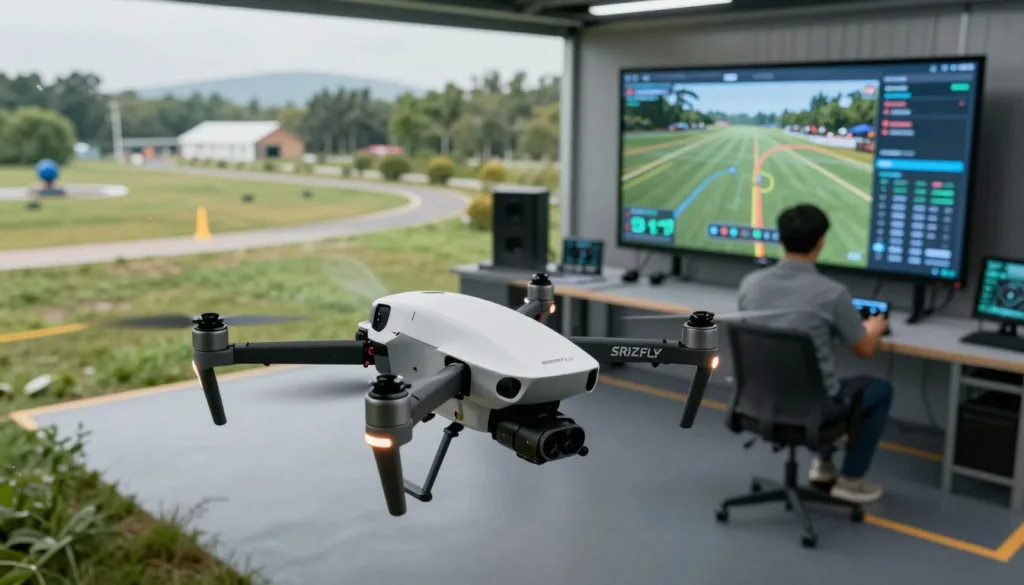
The SRIZFLY drone simulator represents a significant advancement in drone pilot training. This innovative tool utilizes AI scoring to enhance the skills of drone pilots across the United States. By analyzing performance metrics such as flight accuracy, control inputs, and reaction times, the simulator provides personalized feedback. This feedback is essential for mastering drone control, making it a vital part of effective drone practice.
As the aviation industry evolves, the integration of AI in pilot training has become increasingly relevant. The SRIZFLY drone flight simulator exemplifies this trend, offering a cutting-edge method for aspiring pilots. With its focus on precision and skill development, the SRIZFLY simulator helps users refine their abilities in a safe and controlled environment. The emphasis on AI scoring sets it apart, ensuring that each training session is tailored to the individual’s needs.
In this article, we will explore the evolution of AI in drone simulator training, the applications of immersive VR, and the numerous benefits of using AI scoring systems. Understanding these elements will highlight the importance of advanced training tools in shaping the future of drone piloting.
Key Takeaways
- The SRIZFLY drone simulator enhances pilot skills through AI scoring.
- AI scoring analyzes flight accuracy and control inputs.
- Personalized feedback improves drone practice efficiency.
- Integration of AI is a growing trend in pilot training.
- Advanced simulation technology ensures safe learning environments.
The Evolution of AI in Drone Simulator Training
The landscape of AI drone training has undergone remarkable changes in recent years. The shift from basic simulation to advanced adaptive flight simulators marks a significant evolution. These simulators adjust the training difficulty based on a pilot’s performance in real time. This ensures that each session is tailored to the individual’s needs, enhancing learning outcomes.
Organizations like the International Civil Aviation Organization (ICAO) have set a vision for smart training. Their insights emphasize the importance of using AI performance feedback to create personalized drone training experiences. Companies such as Deloitte have developed AI models that customize training syllabi, ensuring that each pilot receives instruction that matches their skill level.
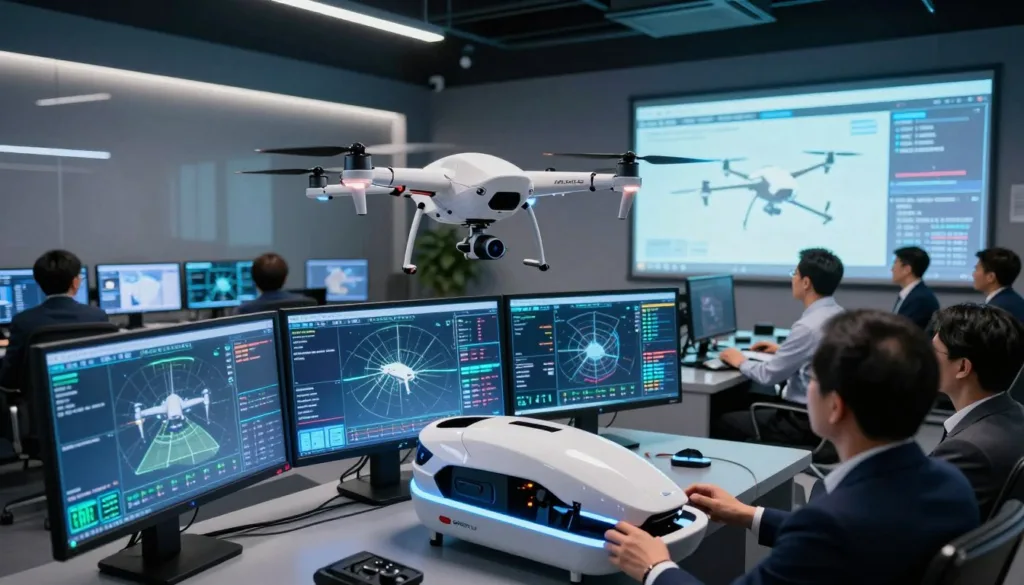
Predictive analytics in drone training play a crucial role in identifying areas where pilots may struggle. By analyzing flight data, these tools help instructors optimize training plans. This approach not only improves efficiency but also enhances safety. The ability to generate complex flight scenarios, including emergency drills, within a simulator environment adds another layer of realism to training.
The integration of AI in drone simulator training has transformed pilot education. It provides a more effective and engaging way to learn, setting the stage for future advancements in immersive VR applications. As technology continues to evolve, the potential for AI in this field is limitless.
Immersive VR and AI Applications in Drone Pilot Training
The integration of virtual reality and artificial intelligence is transforming drone pilot training. This combination creates immersive drone training experiences that engage users in ways traditional methods cannot. A virtual reality drone simulator allows pilots to step into realistic drone flight scenarios, enhancing their learning and retention.
For example, NASA’s fused reality system overlays virtual runways onto real-world environments. This innovation provides pilots with a unique perspective, helping them practice maneuvers in a safe setting. Airbus has also developed portable VR trainers that allow for effective VR drone practice anywhere. These tools showcase how AI and VR in drone training can simulate emergency procedures and complex flight conditions.
Research from Deloitte highlights that VR training can improve knowledge retention rates significantly. Trainees remember more when they learn in an engaging environment. This is crucial for drone pilots who must respond quickly in real-world situations. The SRIZFLY drone simulator exemplifies this trend, using AI scoring to provide real-time feedback and adaptive challenges.
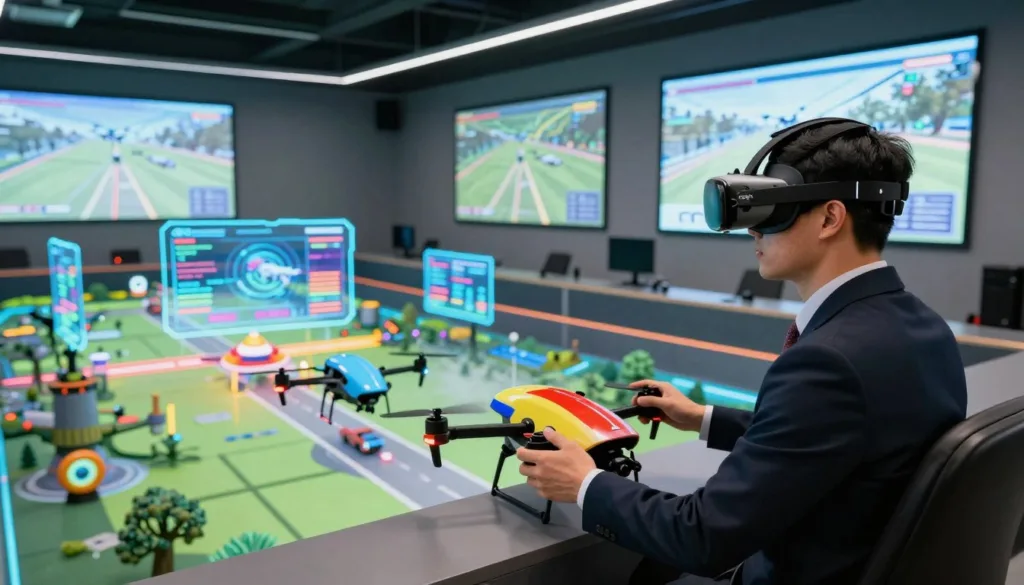
With the flexibility and scalability of VR-based training, both beginners and experienced pilots can benefit. The immersive nature of these simulations not only boosts skill acquisition but also builds confidence. As the world of drone technology evolves, the synergy of AI and VR will continue to shape effective training solutions.
Benefits of Using AI Scoring Drone Simulator for Effective Practice
The benefits of AI drone simulators are significant for aspiring pilots. These simulators offer personalized drone training feedback that helps users identify mistakes quickly. This immediate response enhances learning and fosters improved drone flight skills.
One of the standout features is the ability to practice in a risk-free environment. Pilots can engage in complex scenarios, including emergency situations, without the fear of damaging equipment or risking safety. This risk-free drone practice allows for a more comprehensive understanding of flight dynamics.
AI scoring systems adjust the difficulty of challenges based on individual progress. This adaptive learning ensures efficient drone learning, allowing pilots to develop skills at their own pace. With instant performance analysis, users can track their improvement over time, leading to faster learning curves.
Modern simulators like SRIZFLY have refined these technologies to provide accurate and constructive feedback. This feedback loop not only improves flight accuracy but also increases engagement during training sessions. With enhanced control and better learning outcomes, pilots are better prepared for real-world flying.
In summary, the integration of AI in drone simulators transforms the training experience. By providing tailored feedback and a safe space for practice, these tools significantly elevate the training process for drone pilots.
Conclusion
The landscape of drone pilot training is changing rapidly with the introduction of AI technologies. AI drone simulator training, such as the SRIZFLY drone simulator, provides an innovative way for pilots to master their skills. This technology allows for personalized learning experiences that enhance drone pilot skill mastery and improve overall flight performance.
By integrating advanced VR and AI applications, these simulators offer immersive environments for effective practice. Pilots can engage in realistic scenarios that build confidence and precision in their flying abilities. The benefits of such advanced drone practice cannot be overstated, especially for those involved in drone flight training in the US.
As the demand for skilled drone pilots grows, embracing tools like the SRIZFLY drone simulator is essential. Regular practice with these simulators can lead to significant improvements in flight accuracy and control. Explore the offerings of SRIZFLY today, and take the next step in your drone training journey. Engage with us to request demos or subscribe for updates, and stay ahead in this evolving field.