



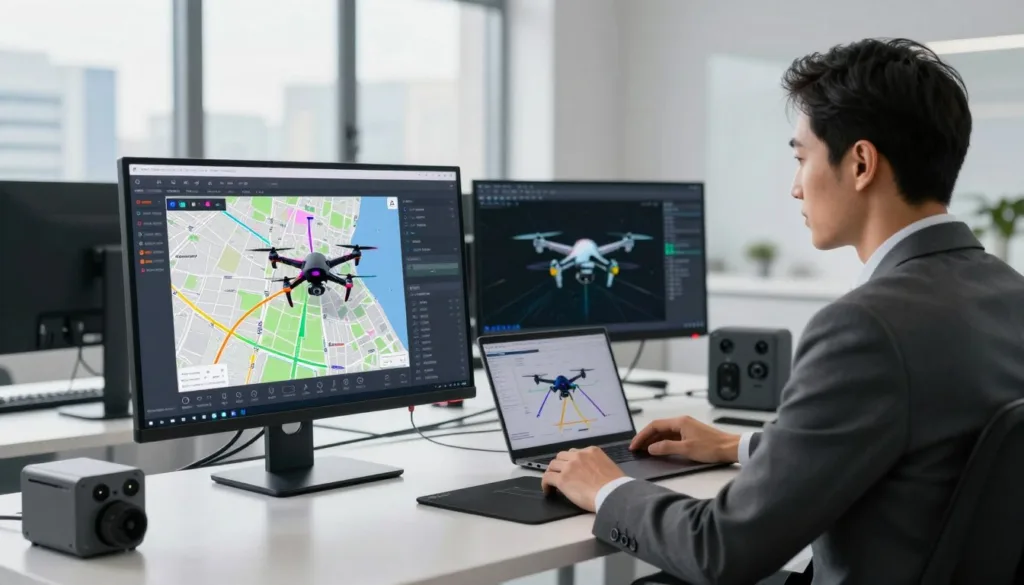
In today’s fast-paced world, professional AI drone simulation software plays a crucial role in training skilled drone pilots. Advanced simulators like SRIZFLY offer unmatched precision and realism, providing a safe environment for users to hone their skills. This software is designed to meet the needs of experts, enabling them to practice complex maneuvers without the risks associated with real-world flights.
With features that simulate various UAV types and realistic environments, the SRIZFLY drone simulator enhances the learning experience. It prepares pilots for a wide range of applications, from aerial photography to industrial inspections. This comprehensive approach to drone pilot training ensures that users are well-equipped to handle the challenges of their respective fields.
As the demand for skilled drone operators grows, understanding the capabilities of professional AI drone simulation software becomes essential. This introduction sets the stage for a deeper exploration of the technology, features, and market trends that shape the future of drone pilot training.
Understanding the Technology Behind Professional AI Drone Simulation Software
Professional AI drone simulation software relies on advanced technologies to create realistic training environments. XR drone simulation combines Virtual Reality (VR), Augmented Reality (AR), and Mixed Reality (MR) to immerse users in engaging scenarios. Each of these modalities offers unique benefits, enhancing the learning experience for drone pilots.
VR drone training places users in a fully virtual environment. This approach allows pilots to practice flying without any real-world risks. AR overlays digital information onto the real world, providing valuable context during training. MR blends both worlds, allowing pilots to interact with virtual elements while remaining aware of their surroundings. This integration fosters better situational awareness and decision-making skills.
At the core of this technology is flight dynamics modeling. This process simulates how drones behave under various conditions. Accurate physics modeling ensures that pilots experience realistic flight characteristics. The use of drone simulation software enables detailed analysis and feedback, helping users improve their skills effectively.
AI drone technology plays a crucial role in enhancing training experiences. By analyzing pilot performance, AI systems can provide personalized recommendations. This adaptive learning approach ensures that each user receives tailored guidance, maximizing their training outcomes.
Key Features and Capabilities of Professional AI Drone Simulation Software
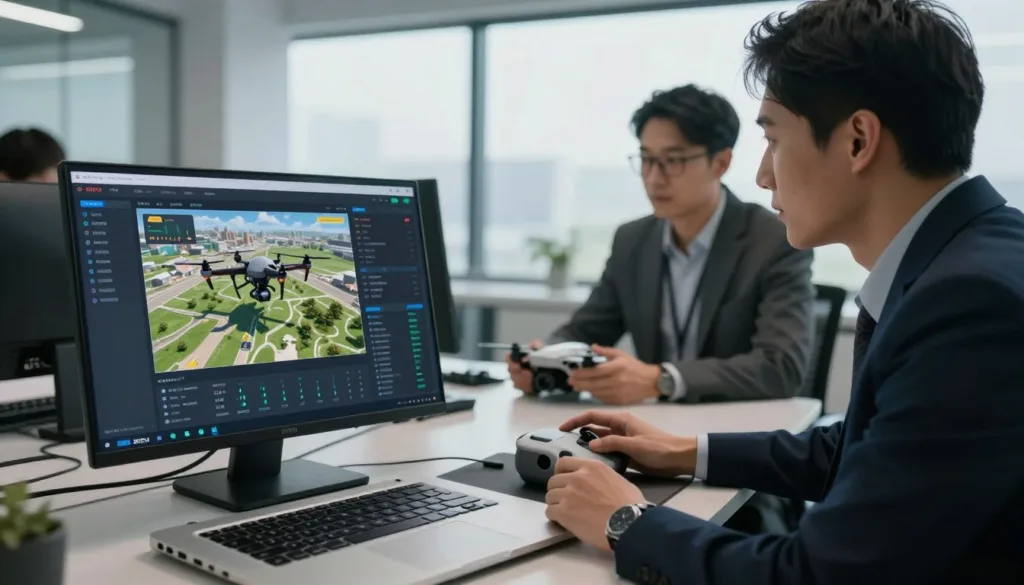
Professional AI drone simulation software offers a range of impressive drone simulation features. These features enhance the training experience for aspiring drone pilots. One standout aspect is the realistic environments. Pilots can train in various settings, from bustling urban landscapes to serene agricultural fields and dense forests. This variety prepares them for different flying conditions, including changes in weather and lighting.
Another key element is the support for multiple UAV types. The software accommodates multirotor, fixed-wing, and VTOL drones. This flexibility allows for comprehensive drone pilot training tailored to different aircraft. Pilots can practice in manual or autopilot modes, which helps them develop critical skills.
Mission scenarios are diverse and challenging. Users can engage in various tasks, from search and rescue operations to agricultural monitoring. The inclusion of QGroundControl integration adds to the realism, allowing pilots to interact with the software as they would in real-life situations.
The user interaction fidelity in professional AI drone simulation software is remarkable. Pilots receive instant feedback, enabling them to improve their skills quickly. With AI drone technology at the core, the software adapts to the user’s performance, ensuring an engaging training experience.
Professional AI Drone Simulation Software: Market Trends and Industry Applications
The drone market is evolving rapidly, driven by several key factors. One of the most significant trends is the rise of AI drone technology. This technology enhances the capabilities of drones, allowing for more autonomous operations. As industries seek efficient solutions, the demand for professional AI drone simulation software is increasing.
Investments in defense and security sectors are another major driver. Governments are focusing on advanced technologies, including drones, to enhance surveillance and operational efficiency. The use of drone simulators helps train personnel effectively, ensuring they are prepared for real-world scenarios.
Commercial expansion is also shaping drone industry applications. Businesses are adopting drones for tasks such as delivery, agriculture, and infrastructure inspection. The versatility of drones makes them valuable assets across various sectors. As these applications grow, so does the need for sophisticated simulation software to support training and operational planning.
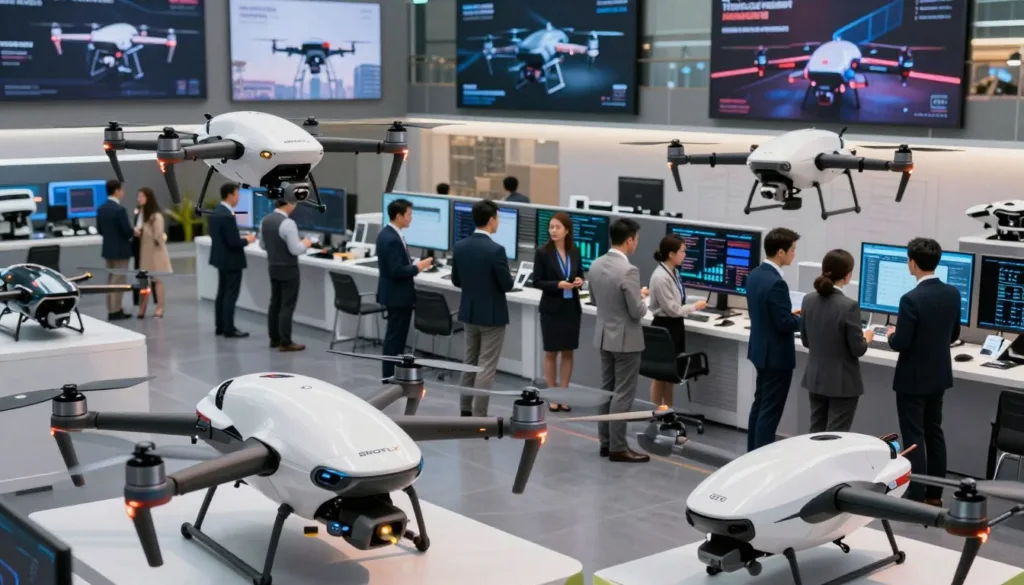
Emerging technology trends, like machine learning and computer vision, are further pushing the boundaries of what drones can achieve. These advancements create a demand for innovative drone simulation tools that can replicate complex environments and scenarios. Understanding these trends is crucial for stakeholders in the drone industry.
As regulations evolve, the landscape for drone operations is changing. Adapting to new regulatory frameworks is essential for companies looking to leverage AI drone technology effectively. The integration of simulation software can help navigate these challenges by providing a safe environment for testing and compliance.
Conclusion
Professional AI drone simulation software plays a crucial role in enhancing drone pilot training. It offers immersive environments that replicate real-world scenarios. This technology not only sharpens pilot skills but also minimizes risks associated with actual flight training.
The integration of advanced technologies like XR and AI creates a realistic training experience. This leads to better preparedness for pilots and supports the growth of the drone industry. As the demand for skilled drone operators increases, effective training solutions become essential.
Engaging with professional AI drone simulation software is a step toward future-proofing skills in this evolving field. Explore various drone simulators available today to elevate your training experience and stay ahead in the industry.