



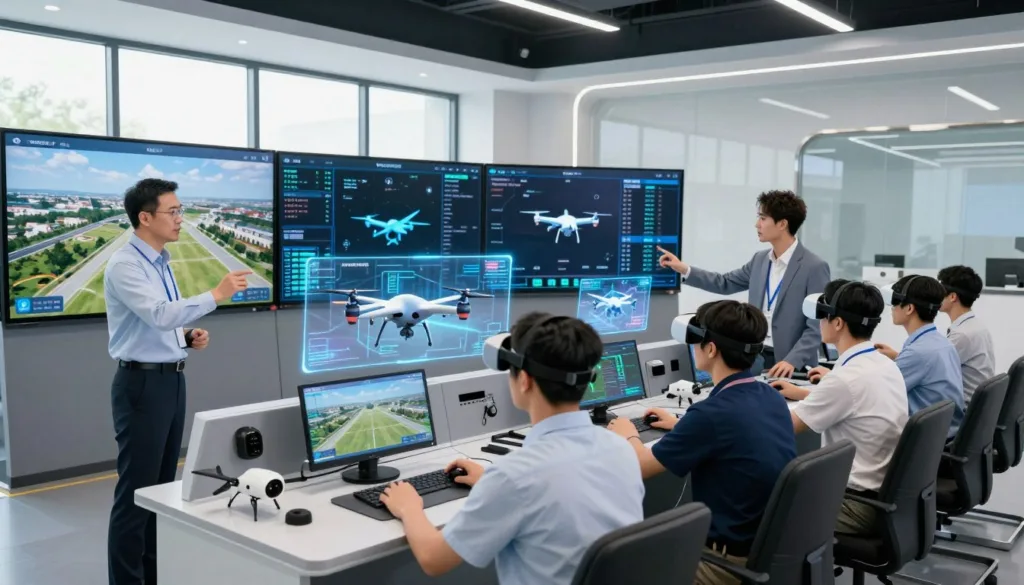
UAV virtual simulation is transforming the landscape of drone pilot training. This innovative approach utilizes advanced software solutions to create realistic flight environments. The SRIZFLY drone simulator stands out as a leading example of how these technologies enhance pilot skills and mission readiness. With the growing demand for drone operations in the United States, effective training solutions are essential.
The UAV flight simulator replicates real-world scenarios, allowing pilots to practice without the risks associated with actual flights. This is particularly important in both defense and commercial sectors, where precision and safety are paramount. As the market for UAV training expands, projections indicate significant growth from 2025 to 2035, driven by advancements in AI, VR/AR, and cloud technologies.
These technologies are not just improving training efficiency; they are also making it more accessible and cost-effective. As more organizations recognize the value of UAV software solutions, the future of drone pilot training looks promising. The integration of virtual simulation will play a critical role in preparing pilots for the challenges they will face in the field.
Key Takeaways
- UAV virtual simulation enhances drone pilot training through realistic scenarios.
- SRIZFLY is a leading UAV flight simulator in the market.
- Advanced technologies like AI and VR/AR are shaping the future of training.
- The market for UAV training solutions is projected to grow significantly by 2035.
- Effective training is crucial for safety in defense and commercial sectors.
- Virtual simulation offers a cost-effective way to prepare pilots.
Market Trends and Growth Drivers of UAV Virtual Simulation
The UAV simulation training market is experiencing rapid growth. In the United States, the market is projected to expand from USD 3 billion in 2025 to USD 16.46 billion by 2035. This growth reflects a compound annual growth rate (CAGR) of 18.64%. The surge is driven by advancements in AI drone simulation and the increasing demand for effective training solutions.
AI-powered platforms are transforming UAV simulation training. These systems enhance training efficiency through adaptive learning and real-time analytics. Pilots can now receive personalized feedback, making training more effective. The integration of VR/AR UAV training adds another layer of realism. This technology allows trainees to engage in immersive scenarios, reducing the reliance on costly live-flight training.
Cloud-based platforms are also gaining traction. They enable remote and collaborative training, which is vital for scaling operations. This flexibility is especially important for commercial drone training, where companies can train multiple pilots across different locations. The military sector benefits from military UAV simulation, focusing on mission rehearsal and compliance with BVLOS (Beyond Visual Line of Sight) certification requirements.
The U.S. market stands out due to its advanced defense ecosystem and a robust commercial drone industry. As demand continues to rise, the adoption of innovative technologies will play a crucial role in shaping the future of UAV virtual simulation.
UAV Virtual Simulation: Technologies and Software Solutions
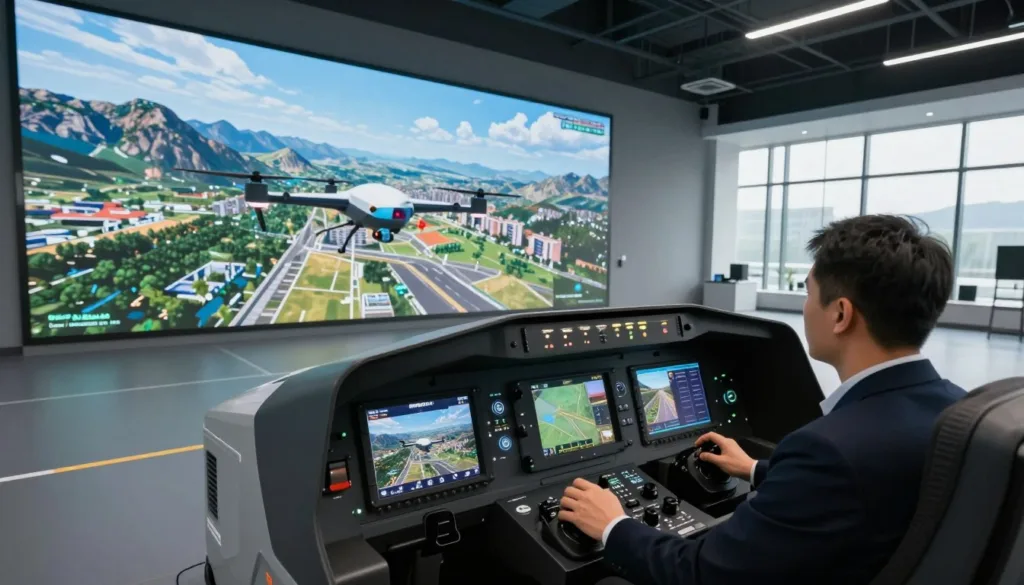
The world of UAV virtual simulation relies on advanced technologies and software solutions. A UAV flight simulator creates realistic environments for training pilots. These simulators integrate hardware controls like joysticks and motion chairs. This combination allows users to experience flight dynamics in a safe setting.
UAV software solutions play a crucial role in this training. Popular platforms like Mission Planner, UgCS, and Gazebo provide users with tools for mission planning and scenario development. These tools help prepare pilots for real-world operations, ensuring they are ready for any situation.
AI drone simulation enhances the training experience. It allows for adaptive learning, where the simulator adjusts to the user’s skill level. This technology also models autonomous drone behavior, making training more effective. VR/AR UAV training takes this a step further, offering immersive experiences that improve situational awareness.
Practical applications of these technologies include UAV mission rehearsal for military operations and commercial pilot certification. Emergency response training benefits from realistic simulations, helping teams react swiftly in critical situations. Cloud-based platforms enable scalable, collaborative learning, making training accessible to more users.
Challenges and Opportunities in UAV Virtual Simulation Market
The UAV simulation training challenges present significant barriers to widespread adoption. High implementation costs for advanced hardware and software create hurdles for many organizations. Technical complexity adds another layer of difficulty, requiring specialized expertise for effective deployment. Traditional training methods remain entrenched, especially in military settings, slowing the transition to modern UAV flight simulator adoption.
Despite these challenges, opportunities abound in the UAV virtual simulation market. The growth of autonomous UAV ecosystems offers new avenues for training. Stricter regulations on commercial drone operations are driving the need for comprehensive pilot training programs. This trend aligns with the rising demand for commercial drone training growth, as businesses seek qualified operators.
AI-integrated UAV software solutions opportunities are emerging, providing scalable training options. Cloud-based simulation platforms are becoming increasingly accessible and affordable. These subscription-based models allow organizations to adapt to changing training needs without heavy upfront investments. As pilot certification requirements expand, the demand for effective simulation training will only increase.
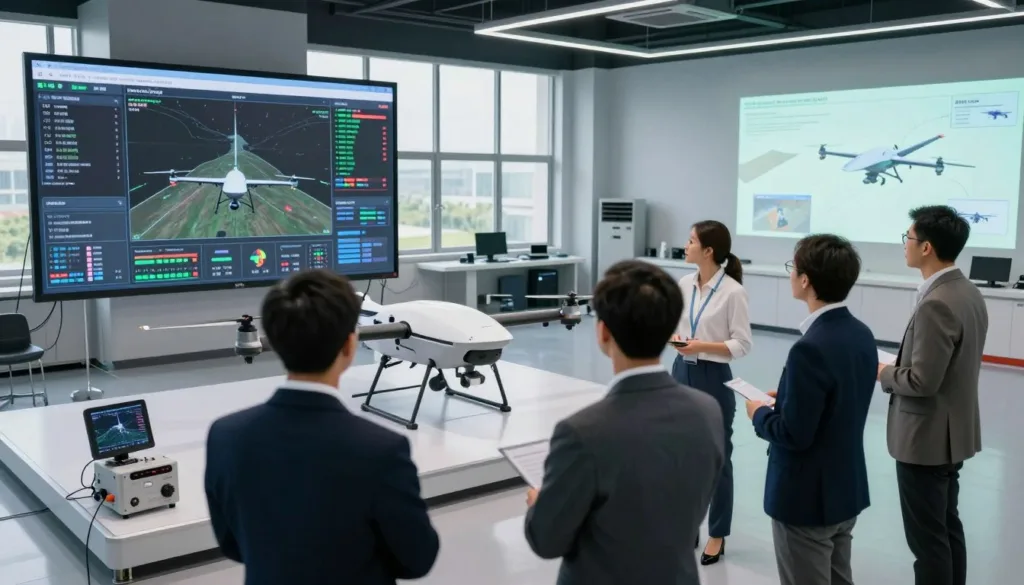
In summary, while military UAV simulation challenges and other barriers exist, the landscape is shifting. The combination of technological advancements and regulatory changes positions the UAV simulation market for strong future growth.
Conclusion
The role of UAV virtual simulation is crucial for enhancing pilot readiness and ensuring mission success. By using advanced UAV training software, organizations can significantly improve pilot skills while reducing training costs. The benefits of UAV virtual simulation extend beyond just cost savings; they also enhance safety and operational efficiency.
Looking ahead, the UAV flight simulator future is bright. Innovations such as digital twins, artificial intelligence, and immersive training environments are set to transform how pilots are trained. These technologies will provide more realistic scenarios, allowing for better preparation and adaptability in real-world missions.
Organizations, whether in defense or commercial sectors, should explore drone pilot training solutions like SRIZFLY. Engaging with these advanced simulation options will ensure they remain competitive in this rapidly evolving field. For more information or to request a demo, reach out to experts today and take the next step in UAV training innovation.
FAQ
What is UAV virtual simulation?
UAV virtual simulation is a training method that uses advanced software and hardware to replicate real flight environments for drone pilots. It allows for safe and cost-effective training, enhancing pilot skills through realistic scenarios without the risks associated with live flights.
How does the SRIZFLY drone simulator enhance pilot training?
The SRIZFLY drone simulator provides a state-of-the-art platform that integrates realistic flight dynamics, artificial intelligence, and immersive technologies. This enables pilots to practice various scenarios, improving their skills and readiness for real-world operations.
What are the key market trends driving the growth of UAV virtual simulation?
Key trends include the integration of artificial intelligence for adaptive learning, the rise of virtual and augmented reality technologies for immersive experiences, and the adoption of cloud-based platforms that facilitate remote and collaborative training. These trends are largely fueled by the increasing demand for commercial drone operations and military mission rehearsals.
What technologies power UAV virtual simulation?
UAV virtual simulation is powered by technologies such as realistic flight dynamics modeling, AI for autonomous behavior, and VR/AR for enhanced situational awareness. Popular simulation software platforms and mission planning tools also play a crucial role in preparing pilots for real-world scenarios.
What challenges does the UAV virtual simulation market face?
Challenges include high upfront costs for advanced hardware and software, the need for technical expertise, and the persistence of traditional live-flight training methods. These factors can slow the transition to virtual solutions in both military and civil aviation sectors.
What opportunities exist in the UAV virtual simulation market?
Opportunities are emerging from the rapid expansion of autonomous UAV operations and stricter regulations requiring comprehensive pilot training. The availability of AI-driven, cloud-based, and subscription-based simulation platforms is making training more accessible and affordable.
How does UAV virtual simulation improve mission safety?
By allowing pilots to practice in a controlled, risk-free environment, UAV virtual simulation enhances mission safety. Pilots can familiarize themselves with various scenarios and emergency procedures, leading to better preparedness and decision-making during actual missions.
Who can benefit from UAV virtual simulation training?
Various stakeholders can benefit, including defense professionals, commercial drone operators, and training institutions. By adopting advanced simulation solutions like the SRIZFLY drone simulator, these groups can improve pilot skills and operational efficiency.