



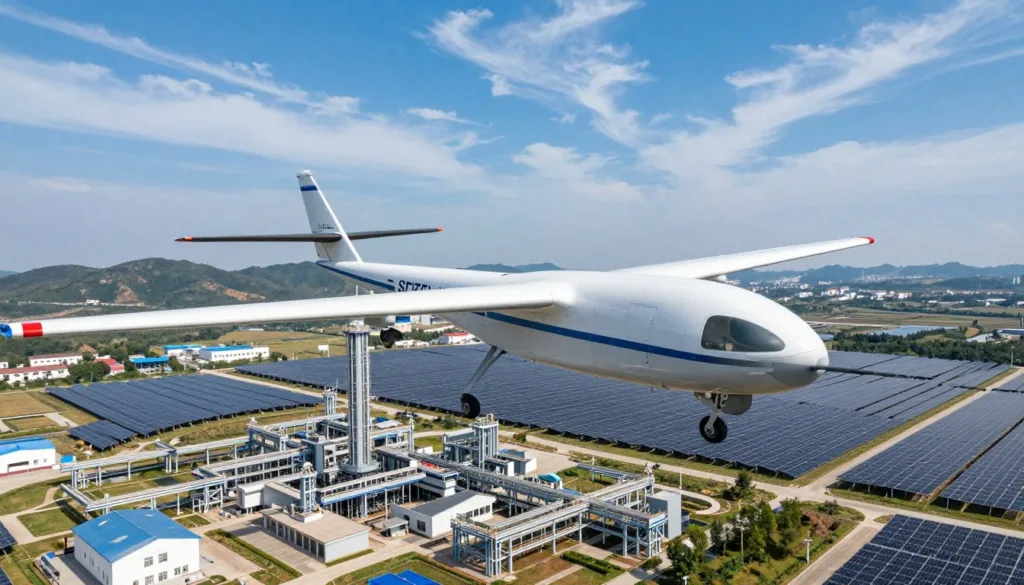
Modern aerospace and field operations demand smart preparation. Realistic simulation for fixed-wing unmanned aerial vehicles is a game-changer. It transforms how teams plan and execute critical missions.
These aerial platforms are different from typical multicopter drones. They provide much longer range and superior endurance. This makes them perfect for efficiently surveying vast areas.
Running a virtual test before a real flight is essential. It dramatically cuts down on risk and operational costs. Organizations can perfect their methods in a completely safe, digital environment.
The need for this capability is expanding fast. Sectors like infrastructure, agriculture, and energy all benefit. They require the long-distance coverage that these systems offer.
Advanced simulation bridges the gap from a drawing board to the real sky. Crews can check flight paths and refine their inspection protocols. All of this happens without any physical danger or expense.
The advantages are clear. Users see better pilot skills, more efficient mission plans, and stronger safety. The overall return on investment for an aerial program improves significantly.
Key Takeaways
- Realistic simulation fundamentally improves planning for fixed-wing drone operations.
- Fixed-wing aircraft provide greater range and flight time compared to multicopters.
- Virtual practice lowers real-world risks and saves money.
- Industries like utilities and farming are increasing their use of long-range aerial surveys.
- Simulation tools allow for safe testing and refinement of flight and inspection procedures.
- Key benefits include enhanced pilot training, optimized missions, and a better return on investment.
Understanding UAV Inspection Simulation
Before a drone ever leaves the ground, teams can now walk through every step of a complex survey in a detailed digital world. This virtual practice environment is the foundation for safer and more efficient operations.
What is UAV Inspection Simulation?
It is a comprehensive virtual environment where operators replicate real-world scenarios. This goes beyond basic flying. It recreates precise flight dynamics, weather conditions, and how payload sensors interact with the terrain.
This capability is often part of a larger system. Such systems combine tools for vehicle development, realistic flight practice, and structured pilot courses delivered online.
The Role of Virtual Simulations in Mission Planning
These digital tools are critical for planning. Teams can preview proposed routes on a screen. They identify potential obstacles like towers or difficult terrain.
Operators test different approach angles and fine-tune flight parameters. All this happens before committing any physical resources to the actual mission. This is especially vital for beyond visual line of sight (BVLOS) operations.
Using digital twins of the aircraft and the flight location allows for complete mission rehearsal. This pre-flight validation is key for both safety and meeting regulatory rules.
| Aspect | General Flight Simulation | Inspection Simulation |
|---|---|---|
| Primary Goal | Master basic to advanced piloting skills. | Execute a specific data-gathering mission successfully. |
| Key Components | Flight controls, basic physics, generic landscapes. | Payload sensors, data collection settings, mission-specific workflows. |
| Output | Improved pilot confidence and stick time. | An optimized, repeatable procedure for field operations. |
This simulation-based approach slashes operational risk. It exposes potential issues in the safe, virtual space. Teams can then develop backup plans and refine their standard procedures.
Everyone involved understands the mission objectives clearly long before launch day. This preparation builds immense confidence and operational readiness.
Fixed-wing UAV Inspection Simulation Software
Today’s advanced tools bring together design, testing, and training in one place. Specialized platforms go far beyond basic flying practice. They are built for the precise workflows of professional aerial surveys.
Cloud-native systems, like SIMNET, offer a major advantage. Teams can access a full suite of web-based tools from any location. This eliminates the need for costly local hardware and complex setups.
These integrated environments streamline the entire project cycle. You can validate an airframe’s design, analyze its performance, and run a virtual mission. Pilot training modules are often included, creating a unified workflow from concept to field deployment.
| Feature | Generic Flight Simulator | Specialized Inspection Platform |
|---|---|---|
| Core Purpose | Practicing piloting skills and control. | Executing and optimizing data-gathering missions. |
| Workflow Support | Limited to basic flight scenarios. | Full mission planning, sensor configuration, and data capture. |
| Output Focus | Improved handling and confidence. | A reliable, repeatable procedure for field operations. |
Support for various methods is key. The software handles complex projects like LiDAR collection and photogrammetry. It plans efficient paths for corridor mapping and vertical structure scans.
Cross-platform compatibility is essential for diverse fleets. Professional tools work with aircraft from popular DJI models to custom US-made platforms. This ensures teams aren’t locked into a single vehicle type.
Industry-leading customization allows operators to tailor every detail. You can adjust flight parameters, create unique scenarios, and configure settings. This matches the software perfectly to your specific operational needs.
Realistic Simulation for Training and Mission Planning
Organizations now leverage virtual environments to train teams and validate mission plans simultaneously. This dual-purpose approach builds operational readiness from the ground up.
Pilot Training Capabilities
Platforms like SIMNET deliver structured courses through web-based catalogs. Training ranges from beginner principles to advanced emergency procedures.
Custom content can be developed for specific organizational needs. This creates a progressive learning path for every crew member.
Hands-on Simulation Labs and Scenario Testing
Virtual labs provide a practical design-build-fly experience. They eliminate the cost and safety risks of physical hardware.
Operators practice edge-case mission scenarios in complete safety. This includes system failures and adverse weather encounters.
| Training Aspect | Virtual Lab Benefit | Real-World Challenge |
|---|---|---|
| Skill Development | Immediate feedback from auto-graded exercises. | Limited practice opportunities due to risk. |
| Cost | No fuel, maintenance, or equipment wear. | High operational expenses per flight hour. |
| Safety | Zero physical danger during failure testing. | Potential for costly damage or injury. |
| Scenario Variety | Unlimited, repeatable complex situations. | Difficulty recreating rare or dangerous events. |
Learning Management System (LMS) integration tracks individual progress. It maintains records for regulatory compliance and helps ensure team proficiency.
Seamless Integration with Flight Control and Drone Hardware
The true power of modern aerial systems lies in how well the digital and physical worlds connect. This seamless link allows crews to practice with the same tools they use in the field.
It creates a smooth transition from virtual planning to real-world execution. Teams build confidence and proficiency without risking expensive assets.
Hardware-Software Synergy
Modern platforms connect directly to ground control stations. Operators use their actual mission planning interface within the virtual environment.
This hardware-in-the-loop approach is vital. Physical flight controllers are linked to the digital world to test autopilot algorithms.
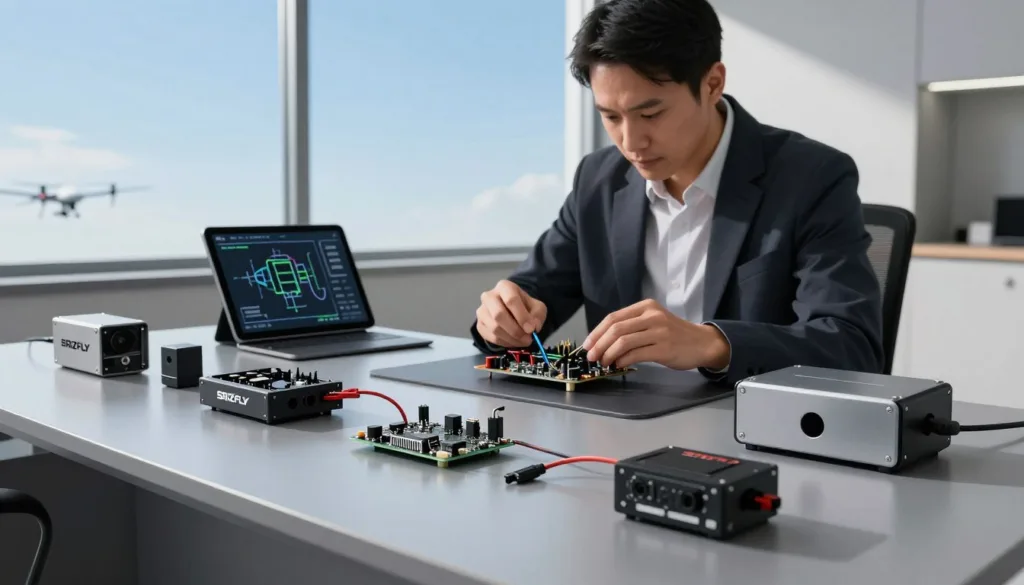
Developers can validate failsafe protocols and control responses safely. It supports advanced rehearsal for beyond visual line of sight routes.
Automated terrain-following and complex waypoint navigation are also tested. Everything is verified before a live flight ever begins.
| Integration Type | Key Feature | Primary Use Case |
|---|---|---|
| Direct GCS Link | Uses real mission planning software in sim. | Operator training and procedure validation. |
| Hardware-in-the-Loop | Connects physical flight controllers to virtual model. | Autopilot algorithm and firmware testing. |
| Fleet Management Link | Controls multiple drone platforms at once. | Coordinated missions and distributed tasking. |
This synergy enables real-time monitoring during both practice and actual operations. The interface remains consistent, reducing pilot cognitive load.
Solutions like UgCS allow management of several aircraft simultaneously. Tasks can be allocated from a central office or out in the field.
Design and Analysis with Advanced Simulation Tools
Engineering teams now have access to integrated digital workspaces that merge design, analysis, and virtual flight testing. These powerful platforms let you build, tweak, and validate new aerial systems entirely on a computer.
This process happens long before any physical prototype is created. It dramatically accelerates development while slashing costs.
Airframe Design and Performance Prediction
You start with extensive parametric libraries. These databases contain adjustable wings, fuselages, and propulsion systems.
Designers can assemble a concept by selecting and modifying these components. The platform provides instant performance predictions.
You get key metrics like flight endurance, operational range, and cruise speed immediately. This lets you see if your concept meets mission requirements from the start.
Built-in Trade Studies and CFD Analysis
Understanding design trade-offs is crucial. Built-in tools visualize how a single change impacts multiple performance parameters at once.
You can balance competing goals, like payload capacity versus flight time. This data helps teams make informed decisions.
Computational fluid dynamics (CFD) analysis acts as a virtual wind tunnel. It simulates airflow to reveal lift, drag, and pressure fields.
Engineers use these models to spot aerodynamic inefficiencies. They can then optimize the airframe for peak efficiency and stability.
Optimizing Flight and Inspection Efficiency
Efficiency in aerial operations hinges on smart algorithms that automate tedious tasks and enhance data precision. These tools help crews maximize mission outcomes while minimizing flight time and costs.
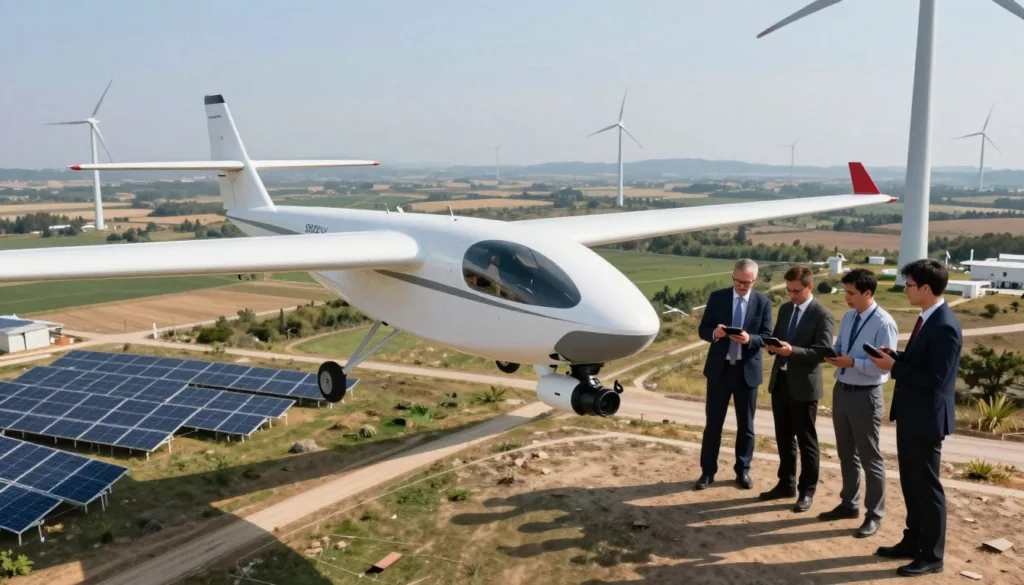
Industry-leading terrain following features are key. They automatically adjust altitude to maintain consistent ground clearance over hills and valleys.
This ensures uniform data collection quality and improves safety by keeping a safe distance from obstacles. Adjustable settings even allow flying near vertical surfaces.
Trajectory smoothing optimizes flight paths by eliminating abrupt maneuvers. It protects sensitive payloads, like LiDAR sensors, from excessive vibration.
This careful handling is vital for maintaining high data accuracy throughout the survey. The software also streamlines mission planning.
Operators can import corridor centerlines or survey boundaries from standard KML and CSV files. The platform then automatically generates optimized flight routes with proper coverage parameters.
For specialized LiDAR collection, automatic IMU calibration patterns ensure accurate georeferencing. Features like figure-8 and U-shape patterns, along with adjustable turn radii, maintain data continuity.
Planning large-scale projects becomes simple with multi-route visualization. Teams can view several paths side-by-side and connect multiple aircraft simultaneously for coordinated operations.
Customizing Simulation Scenarios for Diverse Environments
High-fidelity representations of geography and weather form the bedrock of realistic operational rehearsals. Tailoring the virtual world to match your exact field site is key for effective preparation.
Virtual Terrain and Dynamic Weather Models
Platforms use a global 3D terrain model to recreate any location on Earth. For critical sites, you can import custom Digital Elevation Models.
This provides centimeter-accurate ground detail. It ensures your practice matches the real-world environment perfectly.
Dynamic weather systems add another layer of realism. You can test missions in high winds, low visibility, or rain.
Understanding how these conditions affect performance is vital for safe planning.
| Customization Feature | Description | Data Input | Primary Benefit |
|---|---|---|---|
| Terrain Model | High-resolution 3D landscape | Global base or custom DEM/DSM | Accurate obstacle and flight path awareness |
| Map Overlays | Visual reference for project areas | Orthophotos, KML boundaries | Clear mission area visualization and marking |
| Operational Constraints | Defined limits for the scenario | Custom no-fly zones, parameters | Rehearsal under actual mission rules |
| Atmospheric Conditions | Variable weather for testing | Wind, precipitation, visibility settings | Prepares crews for challenging field conditions |
These tools let you build precise scenarios. You can practice in a digital twin of your target environment.
Offline operation is also supported. Teams can plan and run simulations in remote areas without an internet connection.
Leveraging Data and Algorithms for Performance Insights
The true value of any practice session lies in the insights you can extract from it. Modern platforms provide this through sophisticated algorithms that analyze every detail.
This turns raw telemetry into actionable data for crews. The process focuses on both live monitoring and deep post-session review.
Real-Time Data Analytics
A live state pane is a core feature. It monitors vehicle and component status during a digital rehearsal.
Operators see immediate feedback on mission progress. This allows for quick adjustments to flight parameters.
These live data streams help teams understand performance against set goals. It’s like having a co-pilot that points out trends as they happen.
| Analysis Type | Primary Function | Key Output |
|---|---|---|
| Real-Time Analytics | Live monitoring of vehicle states and mission progress | Immediate feedback for in-session adjustments |
| Recorded Session Review | Post-mission examination of full telemetry and events | CSV files for deep analysis and compliance evidence |
| Automated Reporting | Generation of performance summaries and design specs | Downloadable reports for reviews and regulatory submissions |
Simulation Recording and Reporting
Every session can be recorded in full. This captures flight paths, control inputs, and system events.
Teams use this simulation data for thorough debriefs. Exporting to standard CSV files is simple.
These files allow for analysis with third-party tools. Simulation results feed directly into design reviews and safety cases.
Automated reporting is a major time-saver. Platforms can generate detailed performance results and specification documents.
This evidence is crucial for regulatory processes like SORA. It demonstrates operational readiness convincingly.
User-Centric Features and Reliable Support
A key differentiator for professional platforms is their focus on user experience and robust support systems.
Intuitive interfaces and helpful documentation ensure operators can quickly master the tools. This reduces training time and boosts productivity.
AI-powered virtual assistants, like AeroBot, provide 24/7 support. They answer questions and guide users through complex procedures.
Responsive human teams offer expert guidance for challenging scenarios. They understand technical complexities and provide custom solutions.
| Support Feature | Description | Primary Benefit |
|---|---|---|
| AI Virtual Assistant | 24/7 automated help for common queries and troubleshooting | Immediate assistance anytime, reducing downtime |
| Human Technical Support | Expert teams available for complex issues and custom needs | Tailored solutions for specific operational challenges |
| User Feedback Integration | Active solicitation and incorporation of operator suggestions | Platform evolution based on real-world field experience |
| Comprehensive Support Model | Handles deployment, updates, and maintenance | Allows focus on core missions, not software management |
| US-Based Engineering Support | Local expertise for regulatory and security requirements | Guidance from prototype through full deployment |
Leading providers actively seek user feedback. They incorporate suggestions from field operators into regular updates.
This ensures the software evolves based on practical needs. Comprehensive models handle all technical aspects.
This user-centric approach makes it easy for teams to use the platform effectively. US-based engineering offers expertise for specific regulatory needs.
Future Developments in UAV Simulation Technology
The next wave of innovation will focus on adaptive systems that learn from each pilot’s unique style and decisions. This ongoing development promises to make virtual training more intuitive and effective than ever.
Emerging Trends and AI Integration
Artificial intelligence is becoming a core part of advanced training platforms. Tools like SimAssist analyze performance to create personalized lessons.
These AI coaches watch your actions during a practice session. They offer real-time tips to correct mistakes immediately.
The software also improves the debriefing process. It reviews the entire simulation to highlight key decision points.
This creates a tailored report with actionable advice for each operator. The goal is to accelerate skill development efficiently.
Machine learning algorithms will also refine flight control systems. They can tune parameters automatically based on performance data.
Future digital twins will use real-world data for incredible accuracy. They will mimic aging components and specific environmental factors.
The final frontier is training higher-level cognitive skills. This includes complex mission management and decision-making under pressure.
These developments ensure that every drone operator is fully prepared. The future of aerial training is intelligent, adaptive, and deeply personalized.
Conclusion
The journey from a concept to a successful field mission is fundamentally reshaped by digital rehearsal. These platforms transform how teams prepare, turning uncertainty into confident action.
Organizations gain clear advantages. They reduce operational risks and cut training costs. Pilot skills improve, and mission outcomes become more reliable.
Modern tools create unified environments. They blend design, flight dynamics, and mission planning. This seamless integration with real hardware and controllers ensures practice translates directly to the field.
Data-driven insights from each session fuel continuous improvement. Algorithms analyze performance to refine procedures. Looking ahead, AI and better digital models will make training even more effective.
Embracing this technology is essential for any professional aerial program. The investment pays dividends in safety, efficiency, and superior results across all deployment scenarios.