



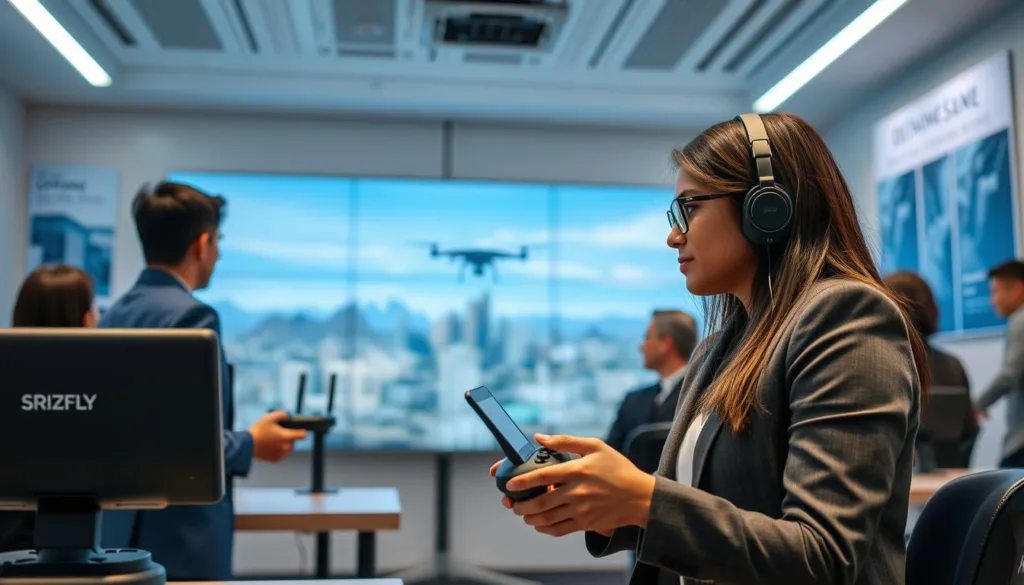
The demand for skilled pilots is soaring in today’s aviation landscape. If you’re looking to launch or advance a career in this exciting field, mastering complex aerial maneuvers is essential. A high-quality training program provides the perfect starting point.
Modern flight simulation creates a safe, virtual environment for practice. You can learn and make mistakes without any real-world risk. This method is crucial for building a solid foundation.
Leading platforms like DJI Flight Simulator, Zephyr, and tools from the Drone Racing League offer professional-grade experiences. They are the most efficient way to log virtual flight hours and develop deep expertise. You gain hands-on experience with controls and scenarios.
This technology builds the confidence needed to handle actual operational challenges. It prepares you for professional success by simulating real-world conditions. The right training turns virtual practice into tangible career skills.
Key Takeaways
- A professional simulation platform offers a safe space to master difficult aerial maneuvers.
- It is the most efficient method for building essential flight hours and operational expertise.
- Virtual practice in a controlled environment is a critical step before outdoor flying.
- Using this technology builds the confidence required to tackle real-world industry challenges.
- Top-tier programs from brands like DJI and Drone Racing League simulate authentic flight conditions.
- This form of training directly prepares students for success in a fast-growing professional field.
- The right tools translate virtual experience into valuable, career-ready skills.
Introduction to Drone Simulation Training
When rain or wind makes outdoor flying impossible, a powerful alternative takes center stage. Modern flight simulators provide a reliable and consistent environment for essential pilot training.
These platforms are a great option for logging hours during inclement weather. You can maintain your progress no matter what’s happening outside.
The Scientech Technologies team highlights that these tools are excellent for experimenting with various flight dynamics. They allow you to learn without risking expensive hardware equipment.
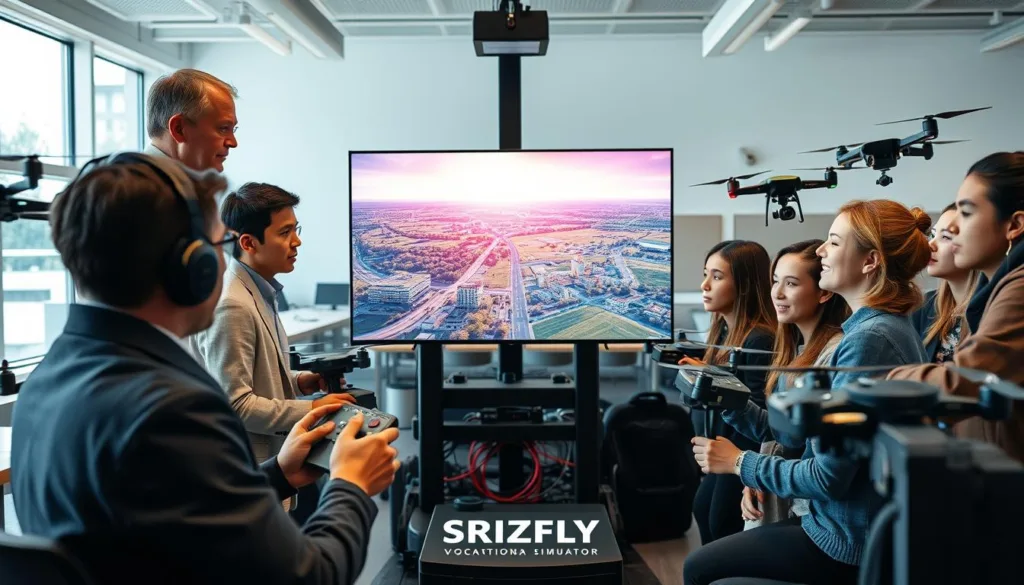
Professional programs now incorporate advanced simulation software. This ensures students master the fundamentals before operating physical aircraft outdoors. It’s a critical step in any comprehensive curriculum.
By engaging in regular practice sessions, pilots refine their reaction times. Decision-making skills improve within a controlled, highly realistic virtual environment. This consistent rehearsal builds true expertise.
When you’re looking for effective training options, several notable platforms exist. Tools like the Zephyr Drone Training Simulator help build a strong foundation in aviation principles. This technology is key to preparing for a successful career.
Key Benefits of the Vocational school drone simulator
Two fundamental capabilities distinguish elite training tools: authentic aerodynamic modeling and variable environmental systems. These features create a safe, controlled space where you can build essential skills without risk.
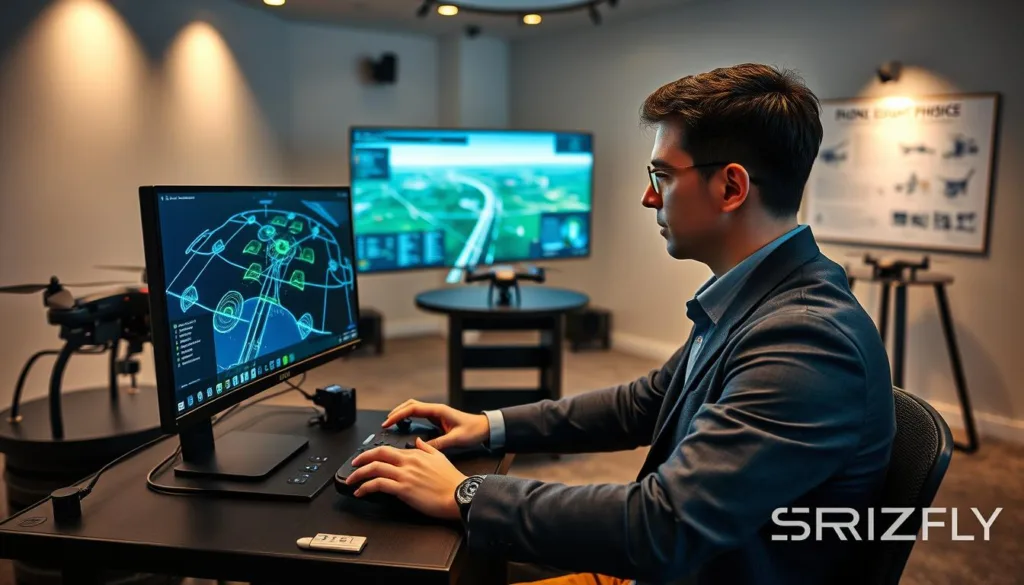
Realistic Flight Physics
Advanced platforms use sophisticated physics engines to replicate real-world dynamics. This technology accurately models take-offs, landings, and complex aerial maneuvers. You learn how your aircraft truly responds in various situations.
Dynamic Weather Simulation
Powerful software allows instructors to customize conditions like wind speed and turbulence. This prepares you for challenging, unpredictable scenarios encountered during actual operations. Mastering these elements is vital for professional readiness.
Drone Flight Simulators for All Skill Levels
Whether you’re just starting out or aiming for the podium, modern flight training platforms are designed to grow with you. They offer a structured, progression-based pathway that meets every student right where they are.
This scalable approach ensures a smooth learning curve. It builds confidence as abilities develop.
Beginner-Focused Features
Newcomers benefit from guided tutorials and basic control mastery. The environment is safe for making mistakes. This foundation is crucial for developing initial flying skills.
Simple modes introduce fundamental aviation concepts. Users gain comfort with the controls before tackling complex scenarios.
Advanced Skills Development
For seasoned pilots, these tools offer high-stakes challenge modes. These test precision navigation and emergency response. Adjustable settings let instructors create custom scenarios.
This targeted practice hones advanced techniques. It prepares users for the intense demands of professional operations and racing.
The entire experience is built to refine skills at every level. It’s a comprehensive system for serious training.
Versatile Simulator Options for Different Drone Models
One of the most compelling aspects of a top-tier training system is the sheer variety of models available for practice. This diversity is crucial for building a comprehensive skill set that applies to many professional scenarios.
Multi-Rotor and Fixed-Wing Options
Leading software provides distinct experiences for different aircraft types. You can master agile quadcopters designed for precise inspection work. The same platform also includes fixed-wing options that simulate long-endurance flight for mapping.
This range ensures you understand both styles of flying. Each type has unique handling and operational purposes.
Helicopter and Glider Simulations
Advanced settings unlock even more specialized training. RC helicopter models teach complex control systems like collective pitch. Soaring gliders focus on energy-efficient flight without a motor.
These features offer a deep dive into alternative aviation principles. They expand your understanding far beyond common multi-rotor drone models.
Gaining experience across this spectrum is invaluable. It prepares you for a wider array of industry tasks and challenges.
Realistic Flight Physics and Simulation Settings
The true value of a training platform is measured by how faithfully it replicates the laws of aerodynamics. This core physics engine is what separates a basic game from a professional development tool. It creates the feel of authentic flight.
Software like RealFlight Evolution provides this highly accurate environment. Students can master precision hovering and complex aerobatic maneuvers with confidence. The system responds just like real aircraft would.
Instructors have powerful control over the simulation settings. They can tweak the physics to match specific aircraft models. This ensures every student pilot gets a realistic experience tailored to their learning path.
This adjustability is crucial for practicing difficult or risky maneuvers. It builds the fine motor skills needed for professional tasks like aerial mapping. Learners develop a keen sense of control and precision.
These customizable settings create a safe space to explore limits. Pilots can push their flying capabilities without any fear of damaging hardware. It’s the smartest way to build advanced skills.
Customizable Training Features and Settings
Beyond pre-set lessons, the most effective platforms put control directly in the hands of users and instructors. This customization is what turns a standard tool into a personal learning engine.
Personalized Drone Models
Advanced software allows you to import or build your own drone models. You can match the virtual aircraft to your specific equipment. This helps you understand how weight and balance affect flying.
Creating unique designs deepens your knowledge of aircraft physics. It’s a powerful way to learn.
Adjustable Flight Settings
Instructors can tweak key settings like engine power and control responsiveness. This creates a perfectly tailored practice environment for each student.
These features let teachers design specific challenge scenarios. Students learn to troubleshoot issues like motor failure in a safe space.
This level of control ensures the simulator stays relevant through an entire training program. It grows with the learner’s skill, making it a cornerstone of modern simulators.
Immersive FPV Mode and Virtual Reality Training
Stepping into the cockpit view transforms how pilots perceive and control their aircraft. The First-Person View mode delivers an unparalleled level of realism. You see the world directly from the front of your machine.
This perspective is crucial for developing true spatial awareness. It teaches you to judge distances and speeds intuitively. Adding a VR headset creates a fully immersive experience.
You feel like you are actually in the air. This deep immersion is perfect for navigating tight, complex virtual spaces. Maintaining precise control becomes second nature.
The combination of realistic physics and immersive settings prepares you for real-world challenges. It’s excellent practice for FPV racing and professional operations. You learn to handle high-pressure situations with calm precision.
Advanced skills are refined quickly in this environment. Maneuvers that demand intense concentration become easier to master. This training method builds confidence for actual flying.
Simulating Dynamic Weather and Real-World Environments
The ability to train across dozens of unique locations builds unparalleled operational versatility. A top-tier platform provides this through an extensive library of virtual sites.
Over 75 Flying Sites
Students gain access to more than seventy-five distinct practice areas. These range from dense urban centers to vast open fields and rugged mountain passes.
This variety is a crucial training resource. It ensures pilots can handle missions in any setting they might encounter professionally.
Adaptive Environmental Conditions
Instructors have full control over the virtual weather. They can adjust wind speed, visibility, and other atmospheric conditions with a few clicks.
This creates realistic challenges that test a pilot’s skill. Learning to operate in gusty winds or low light is essential for real-world readiness.
The software’s advanced physics engine makes every scenario feel authentic. The machine responds just as it would under actual atmospheric pressure.
This article serves as a practical guide for selecting the right simulator. It highlights key data points and techniques for building an effective training network.
By practicing in so many environments, users master precise machine control. They become prepared for any mission, regardless of the conditions.
Competitive Drone Racing Simulator Experiences
For those drawn to speed and precision, racing platforms offer an electrifying path. They turn skill-building into a dynamic, goal-driven activity. This approach keeps learners engaged and constantly improving.
Tools like the Rocket Drones Racing Simulator support organized racing league events. Students can join virtual tryouts for team spots. They also compete in eSports tournaments with real prizes on the line.
Racing League Competitions
These structured events mimic professional circuits. They provide an authentic environment for testing advanced flying techniques. Participants learn to navigate complex gates at high speed.
The experience builds crucial skills for high-pressure situations. It’s excellent preparation for the competitive industry. Schools can host club races to foster a vibrant community.
Monthly Leaderboard Challenges
Regular challenges track progress on public scoreboards. They reward those who demonstrate exceptional control and consistency. This system motivates pilots to refine their skills every day.
Leaderboards introduce a healthy competitive spirit. Each challenge often features a specific race mode. This keeps the experience fresh and tests different abilities.
Monthly rankings create a continuous feedback loop, pushing participants to excel.
These engaging modes transform training into an exciting social endeavor. They prepare learners for real-world scenarios where every second counts.
Enhancing Manual Drone Pilot Skills
When automation fails, the pilot’s hands-on skill becomes the most critical factor for a safe mission. Structured training pathways focus on building these real-world abilities. They teach you to take direct control of your aircraft.
The platform provides a completely safe space for this essential practice. You can handle your UAV with precision in any scenario. This builds confidence for when you must rely solely on manual input.
Focusing on manual flying develops a deeper understanding of aerodynamics. You feel how flight dynamics change with every control adjustment. This knowledge is critical for professional UAV operation.
Regular practice helps pilots refine their emergency response. You learn to troubleshoot technical faults effectively in a controlled setting. These sessions prepare you for unexpected issues during actual flights.
These manual skills are highly valued across the industry. They make the training tool essential for students preparing for certification. Mastering this control method opens doors to advanced career opportunities.
Integration in Educational Programs and Classrooms
To build a robust training program, educators need tools that are both scalable and pedagogically sound. The right platform must fit seamlessly into an academic setting.
Site License Benefits
Multi-user licenses, like one supporting 100 learners across ten stations, offer a cost-effective resource. This model allows an entire class or club to experience the software simultaneously.
Instructors can manage a full program from a central machine. It simplifies logistics for schools looking to implement modern drone training.
Curriculum Integration
This technology acts as a core teaching machine within a structured syllabus. It blends book-based theory with hands-on virtual practice.
Students master physics principles and manual control techniques in a safe environment. Built-in tools track progress, giving instructors valuable data on each student’s skills.
This article serves as a practical guide, offering a list of helpful links and methods for educators.
It provides a clear path for bringing this essential flying experience into the classroom, preparing students for the future.
Exclusive Simulator Offers and Licensing Options
The path to launching a successful aviation curriculum often begins with the right software licensing model. Specialized simulator offers provide educational institutions with scalable solutions.
These exclusive packages include annual site licenses. A single license can support up to one hundred learners at each campus location. This makes the options highly affordable for any program.
The licensing agreement comes with valuable support data. Schools receive ongoing software updates and professional development resources. This ensures the training tool remains current and effective.
Educators can find direct purchase links and detailed information through the official provider portal. The Rocket Drones platform for institutions streamlines the entire process.
By selecting the appropriate licensing options, programs deliver a high-quality experience. Students gain practical skills that prepare them for careers in modern aviation. These simulator offers make advanced training accessible to everyone.
Tips for Selecting the Right Drone Simulator
A smart purchase decision hinges on matching the software’s capabilities to your specific training goals. With many platforms available, this guide serves as a helpful resource.
Key Factors to Consider
First, evaluate the realism of the flight physics. The best software provides an authentic flying experience that feels true to life. Look for advanced customization features that let you adjust settings.
Compatibility is another crucial option. Ensure the system supports a wide list of UAV models. This allows pilots to practice with aircraft similar to what they’ll use professionally.
The training environment should be immersive. It must let users troubleshoot issues like power loss in a safe, virtual network. This builds essential manual control techniques.
Think of the platform as a comprehensive training machine. It should offer all the tools students need to develop their skills effectively.
For educators, this article outlines a clear path. By considering these factors, any school can choose the right simulator. It becomes a powerful resource for student success.
Future Trends in Drone Simulation Training
Next-generation training tools promise to deliver unprecedented levels of realism and interactivity. The landscape for building pilot skills is evolving quickly, powered by new technology.
Intelligent Systems and Expanded Networks
Future platforms will feature hyper-realistic virtual environments and advanced AI. These intelligent systems will create dynamic challenges that adapt to a user’s ability. This pushes pilots to continuously refine their techniques.
These advanced tools will become an even more vital resource. They will generate rich data on performance, offering personalized feedback. This guide helps instructors tailor their coaching for better results.
The expanding network of simulation technology points toward cloud-based collaboration and shared virtual spaces.
For educational programs, this means a growing list of future possibilities. Choosing a platform with an option for continuous updates is crucial. It ensures students learn with the latest physics models and scenario libraries.
Embracing these trends prepares learners for complex real-world environments. It provides a cutting-edge experience that builds confidence and mastery.
Conclusion
The journey to professional mastery in unmanned flight begins with a commitment to high-quality virtual preparation. Investing in a top-tier drone training platform is a strategic move for any program aiming to equip students for modern aviation careers.
These powerful simulators create a completely safe space for learners to build essential skills. Pilots can repeat complex maneuvers and troubleshoot issues without any real-world risk. This consistent practice builds deep operational confidence.
By mastering realistic flight physics and manual controls within this virtual environment, students gain the expertise needed to excel. They become ready to handle the challenges of actual drone missions with precision.
We hope this guide has provided a clear path for selecting the right solution for your educational needs. Start integrating these advanced resources into your curriculum today. Watch as your students reach new heights in their professional journeys.