



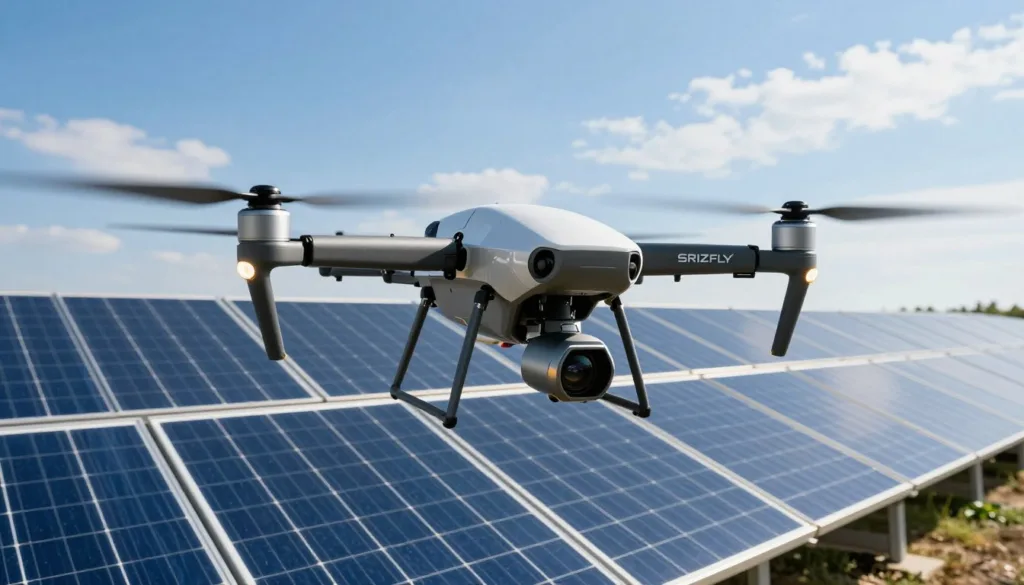
In today’s fast-paced world, optimizing solar efficiency has never been more crucial for sustainable energy production. Enter the realm of photovoltaic drone inspection – an innovative solution that employs advanced drone technology for solar farms to enhance the accuracy and speed of solar panel inspection processes. These aerial inspections allow solar operators to quickly identify and address maintenance needs, ultimately reducing operational costs and improving reliability. As we further explore the implications of this cutting-edge technology, it becomes clear that drone inspections are a game-changer in achieving maximum efficiency for solar installations.
Key Takeaways
- Photovoltaic drone inspection enhances solar farm efficiency.
- Drone technology improves the accuracy of solar panel inspections.
- Aerial inspections can significantly reduce operational costs.
- Fast identification of maintenance needs boosts overall productivity.
- Integrating drone technology reshapes solar energy management strategies.
Understanding the Need for Solar Drone Inspections
As the adoption of solar energy continues to rise, the need for effective inspection methods has become critical. Traditional solar inspections often involve time-consuming manual processes that can hinder performance and lead to inefficiencies. Inspectors typically conduct thermal imaging flights and follow up with ground surveys to validate flagged areas. This method not only extends the duration of inspections but also significantly increases costs. The dual approach often results in inspection fees reaching between $1,500 and $3,000 per site, particularly for extensive evaluations.
Challenges in Traditional Solar Farm Inspections
There are several drone inspection challenges that make traditional inspections less desirable. Significant data gaps can occur when inspecting hard-to-reach areas. Manual inspections are constrained by the physical limitations of the inspectors, resulting in variable data collection. Furthermore, the reliance on separate inspection methods—thermal and visual—often leads to incomplete assessments. This fragmented approach can jeopardize the overall effectiveness of solar panel management and maintenance strategies, making it clear that innovative solutions are essential.
Benefits of Efficient Inspections
Embracing drone technology can vastly improve the efficiency in solar panel inspections. Drones, equipped with advanced tools, can perform thorough assessments in a single flight. They create precise 3D maps and orthomosaics, allowing for accurate evaluations without the need for extensive ground surveys. By integrating visual and thermal inspections, drones provide a comprehensive data-driven approach that enhances the quality of inspections while reducing costs by up to 97%. This shift towards drone usage highlights a crucial advancement in achieving reliable and efficient solar inspections.
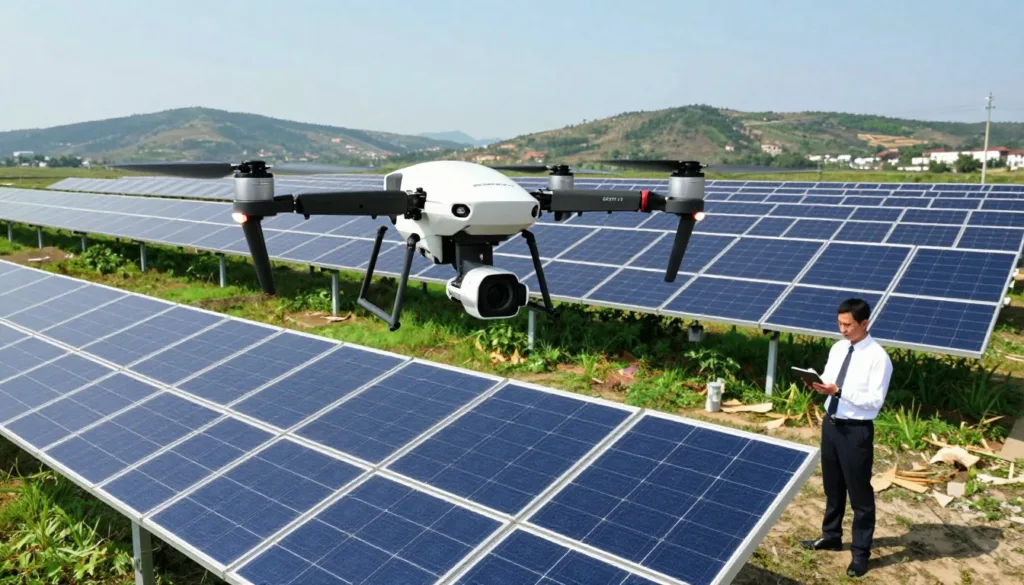
How Photovoltaic Drone Inspection Simulation Works
Understanding the mechanics behind photovoltaic drone inspection simulation reveals the sophisticated technologies that enhance solar panel evaluations. At the core of this process lies advanced drone inspection technology. Drones equipped with RGB and thermal cameras operate autonomously, capturing continuous video footage during flights. This foundational step allows for comprehensive data collection, vital for subsequent analysis.
Key Technologies Behind Drone Inspections
The modern solar inspection landscape benefits from innovative technologies. High-resolution cameras on drones capture intricate details of solar panels, ensuring no defect goes unnoticed. Coupled with automated flight paths, these inspections become systematic and efficient. The data collected is sent to powerful cloud platforms where it undergoes rigorous analysis, turning video footage into georeferenced 3D models. Such models allow managers to visualize overall panel conditions and prioritize maintenance tasks effectively.
Real-Time Data Processing Capabilities
Real-time data analytics is crucial in transforming the information gathered during drone flights into actionable insights. The rapid processing of inspection data, typically equivalent to the duration of the flight, enables quick decision-making. This immediacy not only boosts operational efficiency but also enhances responsiveness to potential issues in large installations. The combination of immediate data analysis and real-time monitoring significantly impacts overall solar asset management.
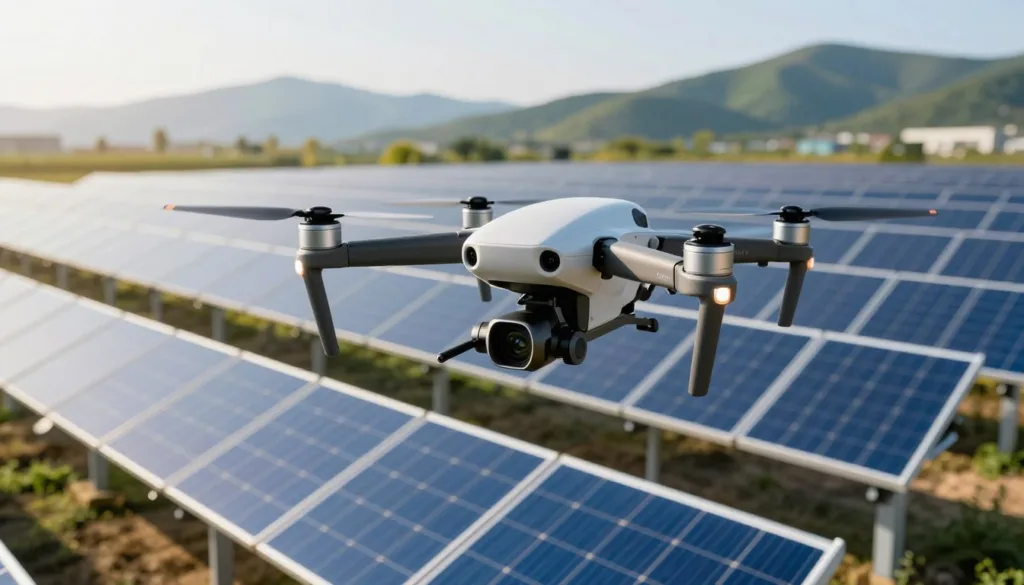
Identifying Defects Through Drone Inspections
Utilizing drones for solar panel analysis offers a significant improvement in defect detection capabilities. These aerial vehicles can quickly and accurately identify various issues that may affect solar panel efficiency, allowing for timely maintenance and management.
Common Defects Detected by Drones
Drones equipped with advanced thermal imaging technology can uncover a range of common defects, including:
- Hotspots: Areas of excessive heat indicating potential failure in solar cells.
- Cracked cells: Structural damage that can lead to energy loss.
- Soiling patterns: Dirt and debris accumulation affecting overall performance.
Resolution Tiers for Effective Analysis
The effectiveness of defect detection varies based on the resolution tier utilized during drone inspection. Drone inspection accuracy levels can provide different insights, categorized as follows:
| Resolution Tier | Accuracy Level | Use Case |
|---|---|---|
| Basic Survey | 2–6 inches | General maintenance prioritization |
| Forensic Analysis | Sub-inch accuracy | Detailed defect detection and diagnostic |
With results formatted for compatibility with asset management systems, the drone technology not only enhances solar panel analysis but reduces response times for maintenance crews, ensuring efficient operational management.
Integration with SCADA Systems and Asset Management
Effective SCADA integration with drone inspections offers an invaluable opportunity for managing solar assets. The advanced geospatial data captured by drones can be overlaid onto existing SCADA dashboards. This process enables asset managers to visualize both the performance metrics and the thermal imagery collected during inspections. By correlating defects with production loss, asset management strategies can prioritize repairs based on their potential impact on revenue.
Utilizing solar monitoring systems in conjunction with drone technology enhances the granularity of performance tracking. Historical data analysis becomes more sophisticated, allowing operators to identify trends over time. This insight facilitates proactive maintenance and optimized management of solar farms.
Implementing this type of integration ultimately empowers asset managers to make data-driven decisions. By emphasizing strategic repairs and maintenance, the overall efficiency of solar operations can be significantly improved.
Support for Warranty and Insurance Claims
Georeferenced inspection records play a vital role in supporting warranty and insurance claims. The visual data collected through drone inspections includes GPS-tagged defect locations and high-resolution thermal imagery. This type of information allows for quicker assessments during the insurance claims process while ensuring transparency and accuracy.
Timely inspections help in documenting conditions that may affect warranty support. By having detailed records beforehand, property owners can easily provide evidence required for maintaining manufacturer warranties. This proactive approach is especially important after adverse weather events when claims may arise.
Cloud-stored inspection records further enhance the claims process by allowing ongoing access to historical data. This accessibility proves invaluable in providing the necessary documentation during insurance claims, ensuring a smoother resolution and accurate evaluations.
Cost Savings Associated with Drone Inspections
Shifting to drone inspections presents significant advantages in terms of cost savings and operational efficiency. By leveraging advanced technology, companies can reduce traditional inspection expenses while ensuring thorough evaluations of solar assets.
Reducing Inspection Costs
The financial impact of drone inspections is clear. Companies frequently experience reductions in inspection costs ranging from 30% to 70% compared to conventional methods. This drastic decrease stems from the elimination of manual labor and shorter inspection cycles, which helps businesses allocate resources more effectively. With faster data acquisition and analysis, organizations can address issues more proactively, translating into further financial advantages.
Impact on Operational Efficiency
Drone inspection financial benefits extend beyond just cost savings. The speed of these inspections allows companies to enhance their operational efficiency significantly. Proactive maintenance strategies facilitated by drones minimize asset downtime, thus maximizing productivity. Additionally, insights gained through drone technology enable the identification of potential problems before they escalate, leading to even greater savings in time and money.
| Inspection Method | Cost Savings (%) | Operational Efficiency Improvement (%) |
|---|---|---|
| Traditional Manual Inspection | 0 | 0 |
| Drone Inspection | 30 – 70 | 25 – 50 |
Conclusion
In summation, the implementation of photovoltaic drone inspections marks a pivotal shift within the solar industry. These inspections enhance efficiency and accuracy while ensuring safety and cost-effectiveness in managing solar assets. As the demand for solar energy continues to rise, the adaptation of drone technology will undoubtedly facilitate the identification of defects and streamline operational processes.
Moreover, as we look toward the future of solar efficiency, it is clear that drone inspections are not merely an innovative solution but a fundamental component of asset management strategies. The drone technology landscape is evolving rapidly, making these inspections increasingly accessible and vital for maximizing the performance of solar installations.
Ultimately, integrating these advanced techniques into routine practices will safeguard investments in solar energy, supporting long-term sustainability and efficiency in this dynamic field. Embracing the capabilities of photovoltaic drone inspections is essential for any forward-thinking organization focused on harnessing solar power effectively.
FAQ
What is photovoltaic drone inspection simulation?
Photovoltaic drone inspection simulation leverages drone technology to enhance solar panel inspections by providing accurate, fast, and cost-effective solutions for identifying defects and improving solar energy efficiency.
How do drones improve solar panel inspections compared to traditional methods?
Drones offer faster inspections with significant reductions in operational costs, capable of performing visual and thermal assessments in one flight, eliminating the need for extensive manual surveys that are slow and expensive.
What types of defects can drones detect in solar panels?
Drones can identify various defects, including hotspots, cracked cells, and soiling patterns, utilizing advanced thermal imaging and RGB cameras to capture detailed data during automated flights.
How is the data collected by drones processed?
The data collected during drone flights is processed through cloud platforms, transforming continuous video into georeferenced 3D models that aid asset managers in quickly identifying defects and making informed decisions.
What advantages does drone inspection data offer for warranty and insurance claims?
Drone inspections provide GPS-tagged defect locations and high-resolution images, facilitating precise claim assessments and maintaining compliance with manufacturer warranty conditions, especially after weather events.
How does drone technology integrate with SCADA systems?
The geospatial data produced by drones integrates seamlessly with SCADA systems, allowing asset managers to overlay visual and thermal data on performance monitoring dashboards to identify issues linked to production losses.
What kind of cost savings can be expected from using drone inspections?
Drone inspections can lead to cost savings of 30% to 70% compared to traditional methods by reducing the need for manual labor and minimizing inspection cycles, thus optimizing operational efficiency.
How can drone inspections enhance operational efficiency for solar farms?
By providing rapid defect identification and reducing downtime, drone inspections enable proactive maintenance strategies that enhance overall equipment reliability and maximize performance for solar installations.
What is the turnaround time for processing drone inspection data?
The turnaround time for processed data is typically equivalent to the duration of the drone flight, allowing for real-time decision-making and a swift response to any identified defects.