



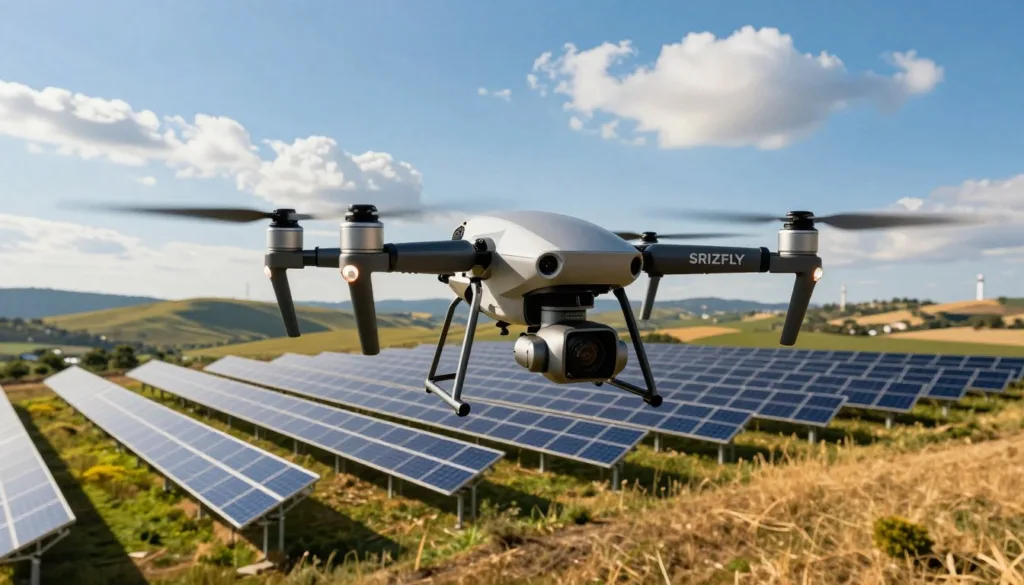
Modern energy management is changing rapidly as technology evolves. Today, operators rely on advanced tools to keep large power plants running at their peak. One of the most exciting developments is the use of Photovoltaic Inspection Drone Simulation to refine maintenance strategies.
These digital environments allow teams to test flight paths and sensor data before ever stepping onto a site. By practicing in a virtual space, companies can significantly boost their overall solar efficiency. This proactive approach helps identify potential issues early, saving both time and money.
Furthermore, the industry is shifting toward automated inspection workflows to handle routine tasks. These systems reduce human error and ensure that every panel receives consistent attention. As these methods become the new standard, they pave the way for a more reliable and sustainable energy future for everyone.
Key Takeaways
- Virtual testing environments help operators refine maintenance plans safely.
- Advanced digital tools play a vital role in maximizing energy output.
- Automated workflows reduce the risk of human error during site checks.
- Proactive monitoring identifies equipment faults before they cause major downtime.
- Modern technology is setting a new standard for large-scale energy management.
The Role of Digital Twins in Solar Asset Management
Digital twins are changing the landscape of solar asset management by creating precise virtual replicas of physical sites. These advanced models allow operators to visualize their entire infrastructure in a digital environment. By doing so, teams can make informed decisions that improve overall performance and longevity.
Bridging the Gap Between Physical Assets and Virtual Models
The true power of a digital twin lies in its ability to connect raw sensor data with real-world operations. When you integrate live data from your site, the virtual model updates to reflect the current state of your equipment. This process is essential for effective solar farm monitoring, as it turns complex data streams into clear, actionable insights.
By maintaining a constant link between the physical and the virtual, managers can track performance trends over time. This visibility helps identify subtle issues that might otherwise go unnoticed during standard inspections. It effectively bridges the gap between static hardware and dynamic, data-driven management.
Reducing Operational Risks Through Predictive Maintenance
Implementing predictive maintenance is one of the most significant advantages of using virtual models. Instead of waiting for a component to fail, operators can use simulations to forecast potential issues before they escalate. This proactive approach is vital for streamlining solar panel maintenance and avoiding costly emergency repairs.
By analyzing historical data and current environmental conditions, these systems predict when a part might reach the end of its life cycle. This foresight allows for scheduled repairs during low-production hours, which minimizes downtime. Ultimately, these tools provide a safer and more reliable way to manage your energy assets.
Understanding Photovoltaic Inspection Drone Simulation
Photovoltaic Inspection Drone Simulation provides a safe, virtual sandbox for testing complex solar farm monitoring missions. By creating a digital twin of a site, operators can practice flight paths without risking expensive equipment. This technology is essential for scaling operations in the United States.
How Simulation Software Replicates Real-World Solar Environments
Modern simulation platforms use advanced physics engines to mimic the behavior of light and shadow on solar panels. These tools account for variables like cloud cover, time of day, and panel tilt angles. This level of detail ensures that the virtual environment behaves exactly like a physical site during a UAV inspection.
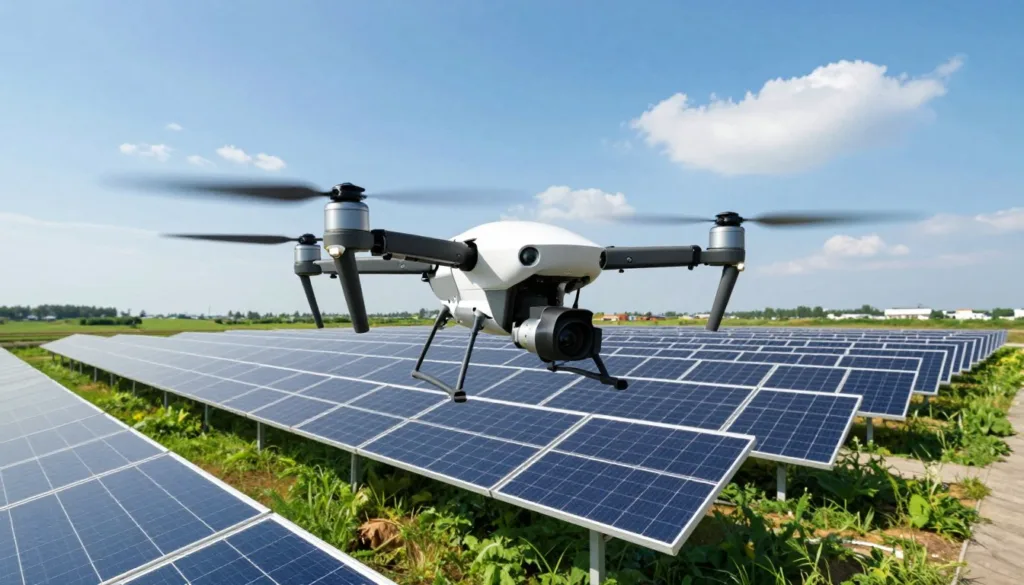
Engineers can also inject environmental stressors into the simulation to test how drones handle wind or extreme heat. By replicating these conditions, teams can identify potential issues before they ever step foot on the actual property. This proactive approach saves significant time and resources.
Hardware Requirements for High-Fidelity Simulations
Running high-fidelity simulations requires robust hardware capable of handling complex graphical data. A powerful workstation is necessary to maintain smooth frame rates during flight planning. Without the right setup, the simulation may lag, leading to inaccurate data collection.
Selecting the Right Flight Controller and Sensor Payloads
The simulation must accurately model the specific flight controller used in the field to ensure consistent performance. Developers often integrate virtual radiometric thermal infrared sensors to calibrate detection algorithms. This allows users to practice identifying hotspots and other anomalies in a controlled setting.
By testing different sensor payloads virtually, teams can determine which equipment is best suited for their specific site needs. This process helps in refining thermal imaging techniques before the actual deployment. It ensures that every flight is optimized for maximum data quality.
Processing Power and GPU Needs for Real-Time Rendering
Real-time rendering is the backbone of an effective simulation experience. A high-end GPU is required to process the visual data and maintain the integrity of the virtual solar farm. This power is crucial for accurate defect detection, as even minor visual glitches can lead to false readings.
Investing in professional-grade hardware ensures that the simulation remains a reliable tool for training and planning. When the virtual environment is rendered with precision, the transition to real-world operations becomes seamless. Reliability in the digital space translates directly to success in the field.
Key Benefits of Virtual Flight Planning for Solar Farms
Planning drone missions in a virtual space is a game-changer for solar farm operators. By leveraging digital twins, teams can visualize the entire site layout before a single battery is charged. This proactive approach significantly boosts overall solar efficiency by ensuring every flight is purposeful and precise.
Optimizing Flight Paths for Maximum Coverage and Efficiency
Operators often struggle with battery life and sensor range during large inspections. Implementing energy-efficient path planning allows software to calculate the most effective route across thousands of panels. This ensures that the drone covers the maximum surface area without wasting power on redundant maneuvers.
Safety Protocols and Collision Avoidance Testing
Safety remains the top priority when flying over expensive infrastructure. Virtual environments allow pilots to test collision avoidance systems against simulated obstacles like power lines or mounting structures. These rigorous tests ensure that the hardware performs reliably in complex, real-world scenarios.
Reducing Downtime During Large-Scale Inspections
Traditional inspection methods often require shutting down sections of the farm for extended periods. By using simulation to refine flight paths, companies can conduct predictive maintenance much faster than before. This minimizes the time that solar assets remain offline, keeping energy production at its peak.
Streamlining Data Collection Workflows
Effective solar panel maintenance depends on the quality of the data gathered during flight. Through geo-spatial consolidation, all captured imagery is automatically mapped to the exact coordinates of the panels. This organized workflow ensures that maintenance teams receive actionable insights immediately after the drone lands.
Integrating Thermal Imaging and AI Analysis
Modern automated inspection systems are reaching new heights by merging radiometric thermal infrared data with machine learning. This powerful combination allows operators to identify potential failures before they impact energy production. By leveraging UAV inspection technology, teams can now monitor vast solar arrays with unprecedented precision.
Simulating Thermal Anomalies in Photovoltaic Modules
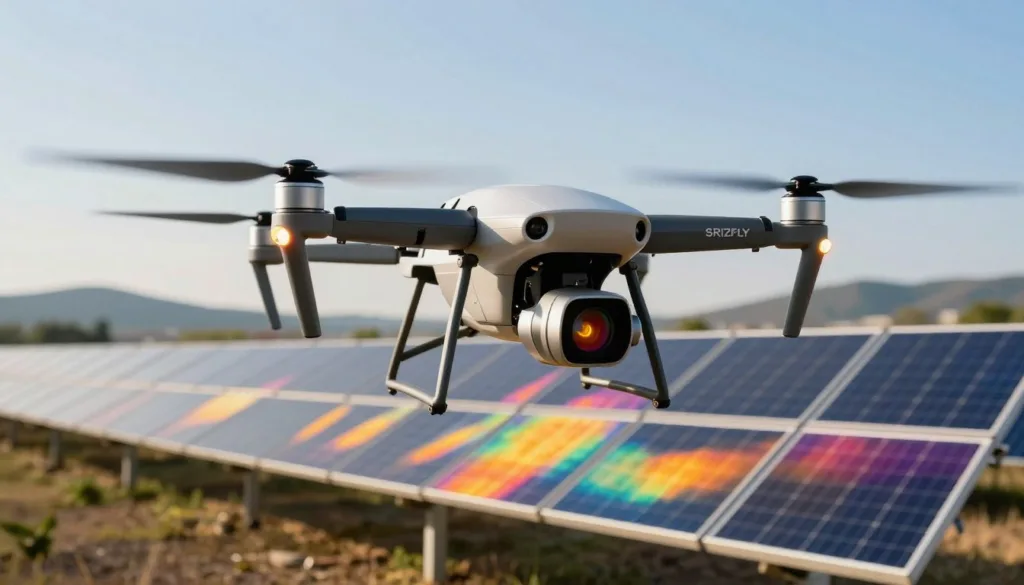
Software platforms now replicate the complex heat signatures found in aging or damaged solar cells. By simulating these thermal anomalies, engineers can create a virtual library of potential issues. This process ensures that thermal imaging equipment is calibrated to detect even the most subtle temperature variations.
These simulations account for various environmental factors like wind speed and solar irradiance. Such detailed modeling helps technicians understand how different conditions affect the visibility of a fault. Accurate simulation is the foundation for reliable field operations.
Training AI Models with Synthetic Inspection Data
Training robust AI analysis tools requires massive datasets that are often difficult to collect in the real world. Synthetic data bridges this gap by generating thousands of diverse scenarios for the software to study. This approach allows the system to learn from rare defect patterns without waiting for them to occur naturally.
As the models process this synthetic information, they become increasingly adept at filtering out background noise. This training phase is essential for maintaining high performance across different geographic locations. It ensures that the software remains effective regardless of the specific panel manufacturer or installation type.
Improving Detection Accuracy for Micro-Cracks and Hotspots
The ultimate goal of this technology is to enhance the speed and reliability of defect detection. By identifying micro-cracks and hotspots early, operators can schedule repairs during low-production hours. This proactive strategy significantly extends the lifespan of the entire solar asset.
Advanced algorithms now distinguish between genuine hardware failures and temporary environmental reflections. This level of accuracy reduces false positives and saves valuable time for maintenance crews. Precision is key when managing large-scale renewable energy projects in the United States.
Conclusion
Modern solar farms require smarter tools to maintain peak output over their long lifespans. Adopting an integrated framework for automated inspection transforms how teams handle plant safety and operational efficiency.
Operators now rely on energy-efficient path planning to cover vast arrays with minimal battery drain. This precision ensures that every panel receives the attention it needs without wasting valuable flight time.
Advanced AI analysis provides the intelligence needed to spot hidden defects before they cause system failures. By pairing this data with geo-spatial consolidation, managers gain a clear view of their entire portfolio in one digital space.
These innovations define a new era for proactive solar asset management. Embracing these technologies keeps your energy production reliable and profitable for years to come. Reach out to your operations team today to discuss how these digital tools can improve your site performance.