



Modern aviation education is undergoing a massive shift. The SRIZFLY drone simulator stands at the forefront of this change, offering a premier platform for aspiring operators. By integrating advanced technology, it provides a safe yet highly effective way to master complex flight maneuvers.
The implementation of XR-based drone simulation allows users to practice in high-fidelity environments. These virtual spaces mirror real-world challenges, ensuring that every session builds practical skills. This approach is vital for comprehensive drone pilot training across the United States.
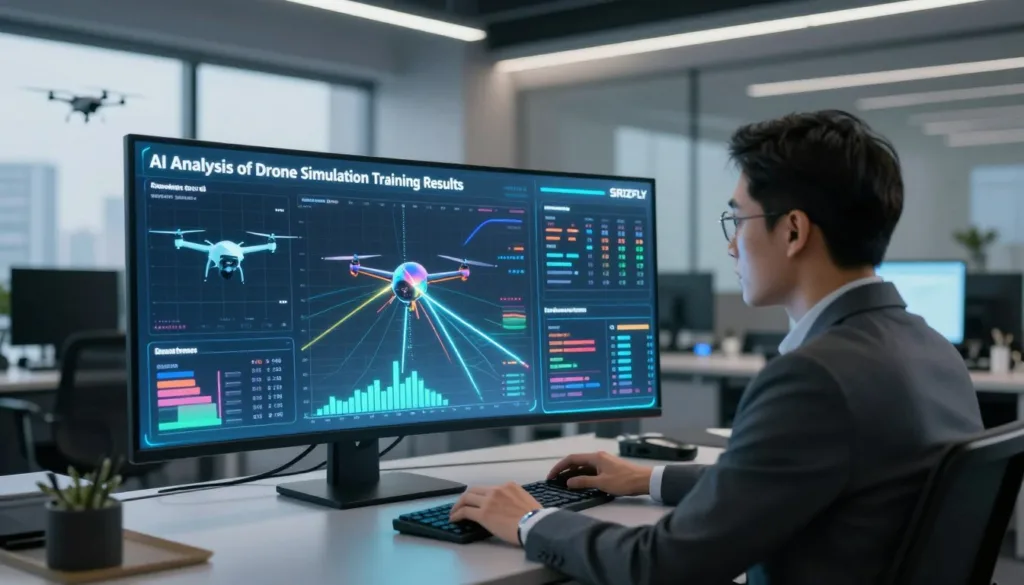
Furthermore, the AI Analysis of Drone Simulation Training Results provides deep insights into performance metrics. These data-driven evaluations help pilots identify weaknesses and improve their decision-making speed. By leveraging these tools, professionals can prepare for missions with greater confidence and precision.
Key Takeaways
- The SRIZFLY platform sets a new standard for modern aviation education.
- XR technology creates immersive environments that mimic actual flight conditions.
- Data-driven feedback helps pilots refine their skills more efficiently.
- Advanced metrics allow for precise tracking of individual progress.
- High-fidelity practice reduces risks associated with real-world flight operations.
The Role of AI Analysis of Drone Simulation Training Results
The drone simulator market is undergoing a massive transformation driven by intelligent software. AI Analysis of Drone Simulation Training Results now provides the precision needed to turn raw flight data into actionable insights. By leveraging these advanced systems, operators can move beyond basic maneuvers to master complex flight scenarios with confidence.
Identifying Pilot Performance Patterns
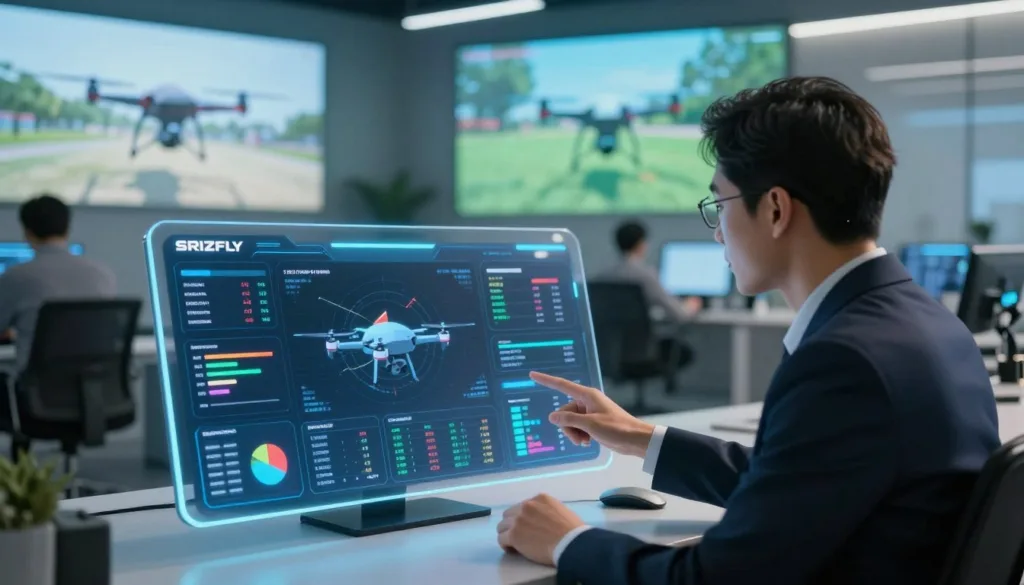
Advanced algorithms excel at identifying specific pilot performance patterns that human instructors might overlook. These systems track subtle movements, reaction times, and decision-making processes during every flight session. By pinpointing these trends, the software helps trainees understand their unique strengths and weaknesses.
Maintaining high levels of simulation accuracy is critical for this process to work effectively. When the virtual environment mirrors real-world physics, the data collected becomes highly reliable. This allows for a more objective assessment of how a pilot handles emergency situations or complex navigation tasks.
Real-Time Feedback Loops in SRIZFLY Simulators
The SRIZFLY drone simulator stands out by integrating sophisticated real-time feedback loops directly into the training experience. Instead of waiting for a post-flight review, pilots receive instant notifications when they deviate from optimal flight paths. This immediate correction prevents the formation of bad habits that are often difficult to unlearn later.
These systems utilize a blend of technologies to enhance the learning curve:
- XR-based drone simulation: Merging virtual and physical elements for a deeper sense of immersion.
- Virtual reality drone training: Providing a safe space to practice high-risk maneuvers without damaging expensive hardware.
- Augmented reality flight: Overlaying critical data onto the pilot’s field of view to improve situational awareness.
By combining these tools, the industry is seeing a significant boost in UAV training efficiency. Pilots spend less time repeating mistakes and more time refining their skills in a controlled, intelligent environment. This data-centric approach ensures that every hour spent in the simulator contributes directly to safer and more effective real-world operations.
Transforming Flight Proficiency Through Data-Driven Insights
By leveraging advanced analytics, pilots can now transform their training experience into a precise science. Modern operators no longer rely on guesswork to improve their handling of complex aerial systems. Instead, they utilize objective metrics to reach a higher level of flight proficiency in record time.
This shift toward evidence-based learning ensures that every minute spent in the cockpit is productive. By focusing on measurable outcomes, instructors can guide students through the most challenging aspects of flight with confidence. This systematic approach is essential for maintaining safety and operational excellence in the field.
Predictive Analytics for Skill Gaps
The integration of predictive analytics allows systems to identify specific skill gaps before they evolve into safety hazards. By monitoring subtle movements and reaction times, the software flags areas where a pilot might struggle during high-stakes missions. This proactive detection is a game-changer for flight safety.
When a pilot understands their specific weaknesses, they can focus their efforts on targeted improvement. This method reduces the time spent on repetitive tasks that the pilot has already mastered. Consequently, UAV training efficiency increases significantly as the curriculum adapts to the user’s actual performance data.
Customizing Training Modules for Individual Needs
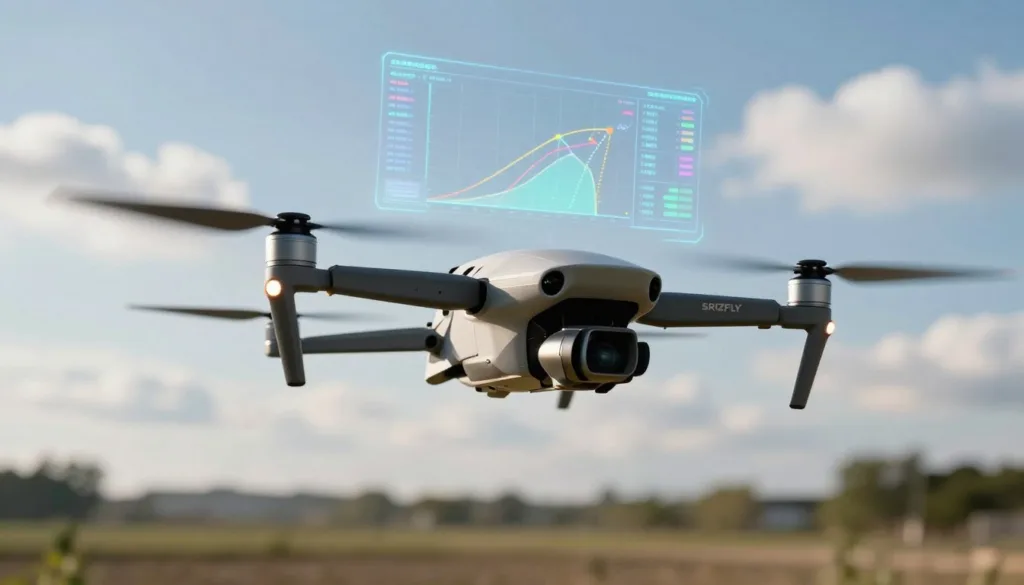
Virtual reality drone training creates a controlled environment where simulation accuracy is paramount for building true expertise. Within this digital space, the system analyzes drone flight dynamics to create a personalized learning path. No two pilots are the same, and their training should reflect that reality.
By adjusting the difficulty of scenarios based on real-time performance, the simulator ensures that the pilot is always challenged but never overwhelmed. This tailored experience builds muscle memory and confidence in a way that traditional methods cannot match. The following table highlights the core differences between standard training and data-driven simulation.
| Feature | Traditional Training | Data-Driven Simulation |
|---|---|---|
| Feedback Loop | Delayed or Subjective | Instant and Objective |
| Skill Gap Analysis | Manual Observation | Automated Predictive Analytics |
| Training Pace | Fixed Curriculum | Adaptive to Individual Needs |
| Safety Risk | High (Real Equipment) | Zero (Virtual Environment) |
Ultimately, the goal is to bridge the gap between novice and expert through continuous, data-backed refinement. As pilots engage with these sophisticated tools, they develop a deeper intuition for drone flight dynamics. This commitment to precision ensures that every operator is prepared for the complexities of modern aerial operations.
Conclusion
The future of aerial operations rests on the marriage of artificial intelligence and simulation. These tools provide a clear path for pilots to master their craft in a controlled environment. As technology evolves, the drone simulator market continues to set new standards for safety and operational excellence.
Achieving long-term flight proficiency requires dedication to high-fidelity practice. Pilots who engage with these advanced systems gain the confidence needed to handle real-world challenges with ease. Consistent training remains the most reliable method for building essential skills in this fast-paced industry.
Explore the SRIZFLY platform to begin your journey toward safer and more professional drone operations. Our team is ready to help you integrate these powerful tools into your training regimen. Contact us today to schedule a personalized demo. You can sign up for our newsletter to receive the latest updates on simulation technology and industry trends.
FAQ
How does the SRIZFLY drone simulator use AI to improve pilot performance patterns?
The SRIZFLY drone simulator utilizes advanced AI algorithms to analyze drone flight dynamics in real-time. By tracking every movement, the system identifies specific pilot performance patterns, allowing the software to provide actionable data that helps trainees refine their maneuvers and decision-making processes under various flight conditions.
What are the benefits of real-time feedback loops in UAV training?
Real-time feedback loops are essential for ensuring that trainees do not develop bad habits. In the SRIZFLY environment, the system provides instant corrections when an error occurs. This immediate intervention ensures high simulation accuracy and helps pilots master complex flight paths more effectively than traditional, non-interactive methods.
How does predictive analytics identify specific skill gaps in drone pilots?
Predictive analytics examines historical flight data to pinpoint where a pilot’s technique may be lacking before those weaknesses become safety hazards. By assessing factors like stability control and response times, the AI can predict potential risks and suggest targeted interventions to improve overall flight proficiency.
Can virtual reality drone training actually increase UAV training efficiency?
Yes, virtual reality drone training significantly boosts UAV training efficiency by providing a controlled, immersive environment. Pilots can practice high-risk maneuvers without the danger of damaging hardware. This allows for more repetitions in a shorter timeframe, leading to faster skill acquisition and better retention of flight protocols.
What role do augmented reality flight technologies play in the modern drone simulator market?
Augmented reality flight technologies are setting new industry standards by blending digital overlays with physical environments. This allows operators to practice navigating obstacles and monitoring telemetry data simultaneously, bridging the gap between pure simulation and real-world drone operations.
Does the SRIZFLY simulator offer customized training modules for individual needs?
Absolutely. Based on the data gathered through AI analysis, SRIZFLY generates customized training modules tailored to each operator’s unique needs. If a pilot struggles with crosswind landings or thermal imaging tasks, the system prioritizes those areas to ensure a well-rounded and professional skill set.
Why is simulation accuracy so important for professional drone operators?
Simulation accuracy is paramount because it ensures that the physics and drone flight dynamics experienced in the simulator mirror real-world conditions exactly. High-fidelity systems like SRIZFLY allow pilots to build “muscle memory” that is directly transferable to DJI or Autel platforms, reducing the likelihood of accidents during actual missions.