



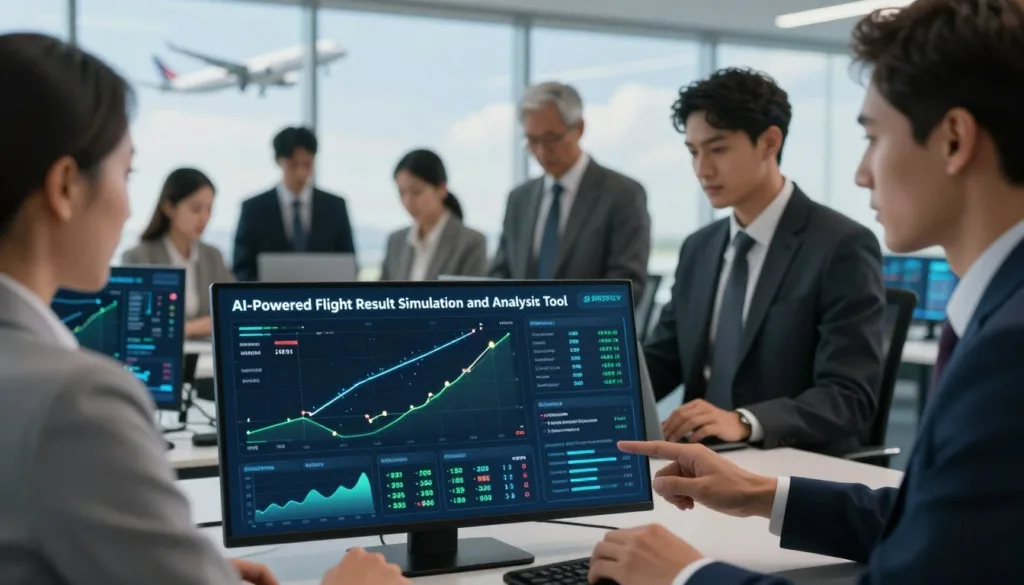
The AI-Powered Flight Result Simulation and In-Depth Analysis Tool brings a new era to pilot and drone training. AI flight simulation now blends machine learning, neural networks, and big data to create realistic, adaptive training that reacts to each user’s behavior. The SRIZFLY drone simulator serves as a practical example of how aviation training AI can prepare operators for complex, real-world conditions.
Flight simulation has long been essential for practicing maneuvers, emergency procedures, and navigation without leaving the ground. Traditional simulators use fixed scenarios, instructor-led adjustments, and repeated modules. That approach limits how well the system can mimic real-world complexity and unexpected events.
AI changes that by offering real-time adaptability and deep performance analysis. Advanced systems use predictive flight modeling to learn from pilot inputs and replay complex decision paths. VR and immersive cockpit setups add spatial awareness while flight simulation analytics processes flight logs and behavioral patterns to sharpen training accuracy.
Key AI-driven capabilities include real-time adaptive training that scales difficulty based on trainee performance and AI-generated dynamic scenarios such as sudden weather shifts, engine failures, and congested airspace. Intelligent aircraft behavior modeling simulates engine variances, fuel efficiency shifts, and avionics responses. Predictive performance analysis measures reaction time, control accuracy, and decision-making under stress. Automated feedback then scores performance, classifies errors, and provides step-by-step improvement plans.
The benefits are clear: faster skill development, better safety awareness, lower aircraft hours and fuel costs, personalized training, and stronger decision-making skills. Platforms like the SRIZFLY drone simulator show how aviation training AI and flight simulation analytics combine to reduce risk and speed readiness.
Challenges remain. High initial costs, hardware needs for full realism, dependency on clean data, and the requirement to pair simulation with actual flight time are important limits. This section sets up a deeper look at operational uses and analytical power in the following sections.
Key Takeaways
- AI flight simulation adds real-time adaptability and personalized training paths.
- Flight simulation analytics and predictive flight modeling improve assessment accuracy.
- SRIZFLY drone simulator exemplifies how aviation training AI readies operators for real conditions.
- Benefits include faster skills, cost savings, and better decision-making under stress.
- Limitations include cost, hardware needs, data quality, and the need for real flight experience.
Transforming Flight Training and Operations with AI-Powered Simulation
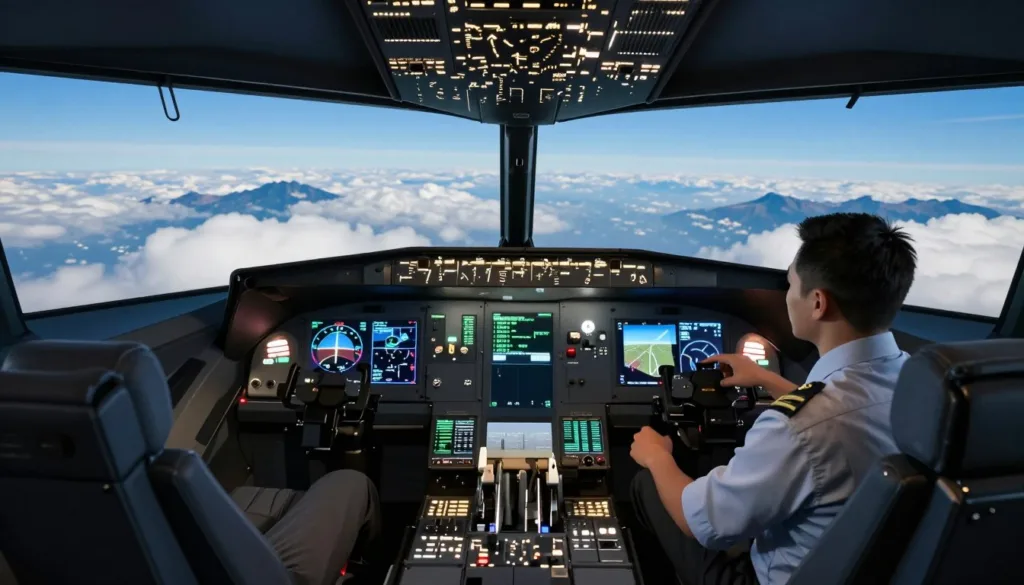
AI flight training reshapes how pilots learn and how operations run. Machine learning systems track trainee behavior and spot performance patterns. That data feeds adaptive flight simulation engines to build custom lesson plans and deliver instant corrections. The result is faster skill gains and better retention.
Neural networks model complex, multi-variable conditions to mimic human-like responses. These networks power dynamic scenario creation that tests pilots with sudden weather shifts, system malfunctions, and high-traffic events. Trainees gain experience under stress through immersive VR flight sims that replicate cockpit sensations and situational pressure.
The SRIZFLY simulator offers a practical example of personalized pilot training in action. It pairs big data analytics with VR to process flight logs, scenario outcomes, and behavioral datasets. Trainers use those insights to target weak skills and schedule unlimited, focused practice without consuming aircraft hours.
Airlines, military academies, and private flight schools all apply adaptive flight simulation for different goals. Airline training academies use AI in aviation operations to standardize certification and recurrent checks. Military programs emphasize tactical decision-making and emergency response. Private pilot courses speed up license prep with scenario-based drills.
Beyond training, AI delivers hindsight, real-time, and foresight analysis to improve daily operations. Hindsight uses causal AI and natural language processing to uncover delay causes and parse safety reports. Real-time analysis supports dynamic rerouting and automated replanning to limit passenger disruption.
Foresight via digital twins enables predictive maintenance and buffer-time calculations. Planners simulate “what-if” scenarios for staffing changes or minimum connecting time adjustments. These tools cut long-term costs by reducing unnecessary aircraft hours and lowering delay expenses.
Operational benefits include better on-time performance, lower delay costs, and clearer decision support for complex constraints. Airlines and airports gain a competitive edge when they adopt strategic, proactive AI in aviation operations instead of reactive fixes.
Personalized pilot training and immersive VR flight sims together create resilient crews ready for the unexpected. With adaptive flight simulation, training becomes continuous, measurable, and cost-efficient. The combination of SRIZFLY simulator technology, neural modeling, and analytics sets a new standard for safety and efficiency.
AI-Powered Flight Result Simulation and In-Depth Analysis Tool
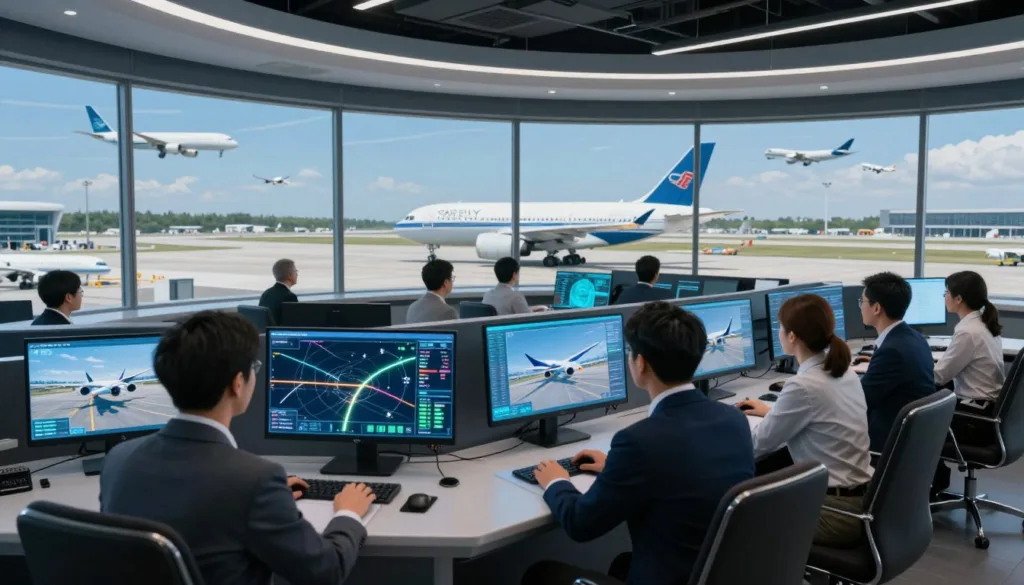
The tool combines flight result simulation with predictive flight analysis to measure pilot reaction time, control accuracy, decision quality, and stress response. Machine-learned metrics produce AI-driven performance reports that score events and highlight trends. Trainers receive clear remediation plans based on those scores.
Using causal AI aviation methods, the platform examines hundreds of interdependent factors to find hidden drivers of turnaround delays and operational risk. Causal models can rank top contributors to departure delays and reveal counterintuitive influences so leaders can focus on high-impact process changes.
NLP turns unstructured inputs into usable data. Customer complaints, feedback forms, maintenance logs, and safety reports get classified for sentiment and recurring pain points. That workflow speeds detection of safety concerns and fuels targeted interventions across ops teams.
Digital twin aviation gives planners a safe way to test what-if scenarios. Operators can simulate extreme weather, labor shortages, and equipment failures to see effects on schedules and revenue. Sensitivity tests support choices such as changing minimum connection times or reallocating baggage handling staff.
Predictive maintenance alerts and optimized maintenance planning come from simulation-backed foresight. By modeling component wear and service windows, the system reduces ground time and lowers the chance of missed departures. Data-driven schedules cut lost revenue and extend asset life.
Concrete outputs include automated performance scoring and classification, scenario playback and root-cause visualization, prioritized corrective recommendations, and optimization-backed reroute and resource-allocation options. Integration-ready data exports feed airline and airport operations systems for fast action.
Implementation needs clean flight logs and solid data integration. Expect hardware and software costs and plan cross-stakeholder coordination among airlines, airports, and service providers. Keep real-flight experience as part of training so simulated lessons transfer to the cockpit.
Educational partnerships help grow skilled users. Programs from vendors such as Altair provide academic access to simulation and optimization tools that prepare students and technicians to work with systems like SRIZFLY analytics in live operations.
When applied across hindsight, real-time, and foresight analyses, this in-depth tool improves operational stability, reduces delays, and increases passenger satisfaction. Clear, data-driven insights let executives make strategic decisions with confidence.
Conclusion
AI flight simulation benefits are clear: training moves from fixed drills to adaptive, immersive learning. Systems like the SRIZFLY drone simulator show how AI-powered flight analytics speed skill development and cut training costs. Learners gain faster feedback, stronger safety awareness, and training that matches real mission conditions.
Three analytic modes work together to lift operations. Hindsight tools use causal AI and NLP to find root causes. Real-time analytics guide dynamic rerouting and resource allocation during missions. Foresight, via digital twins and predictive aviation tools, supports maintenance and timetable accuracy. Together they improve punctuality and passenger satisfaction.
For aviation stakeholders the next steps are practical. Invest in data quality and integration, adopt scalable AI and VR solutions, and seek partnerships with academic programs and vendors such as Altair for workforce readiness. Start with small pilots or demos of AI-ready platforms to validate gains in training outcomes and operational punctuality.
Be mindful of upfront costs and hardware needs, but weigh these against long-term operational and safety returns. Evaluate SRIZFLY drone simulator benefits and similar platforms, request pilot programs, and prioritize strategic AI use over reactive fixes to shape the aviation simulation future.