



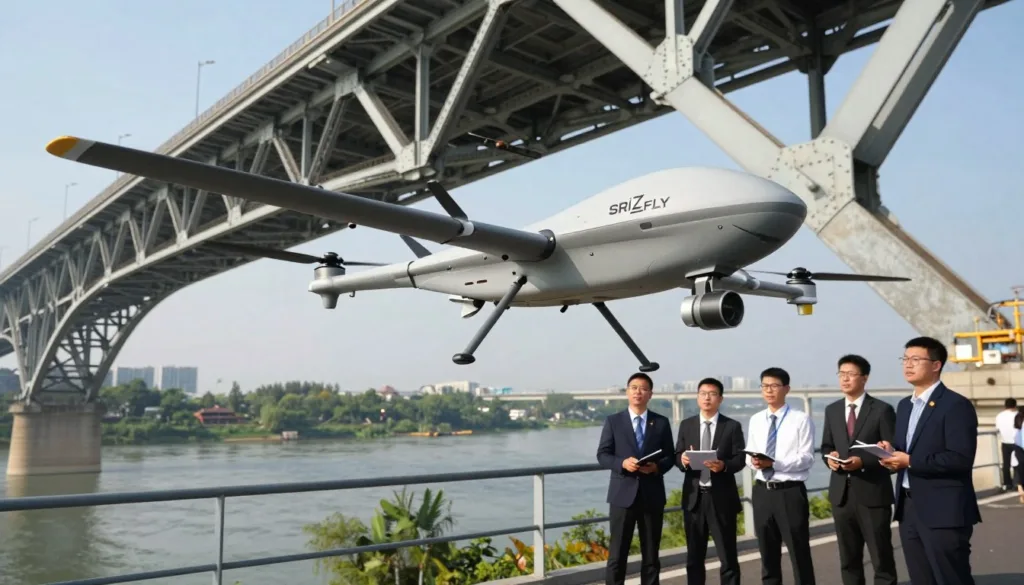
Bridge inspections can involve tight spaces, changing wind, and hard-to-see damage. UAV bridge inspection training lets pilots practice these challenges before they fly near a real structure. A bridge inspection simulator can also help pilots build the control and camera skills needed for a clear, useful drone bridge survey.
The Zephyr Bridge Inspection tutorial gives pilots practice finding bridge cracks and capturing them with a drone camera. Its lessons include conditions such as poor GPS signals and wind. This practice can help pilots prepare for safer infrastructure inspections, where steady flight and clear images matter.
Research supported by the U.S. Forest Service explored how UAVs could support bridge inspections and create detailed 3D models. The work involved George Mason University and led to an NSF Innovation Corps effort with its research partner. Junwon Seo’s civil engineering thesis at South Dakota State University also examined UAV inspection and damage assessment as ways to reduce risks in current inspection practices.
Key Takeaways
- Simulation helps pilots practice bridge-focused flight before a field survey.
- The Zephyr tutorial covers crack detection and camera use.
- Wind and unreliable GPS can make practice more realistic.
- Clear images support damage records and 3D bridge models.
- Research from the U.S. Forest Service, George Mason University, and South Dakota State University shows how UAVs may support inspection work.
Bridge Inspection UAV Simulation: Practice Crack Detection and Flight Control
In the Zephyr Bridge Inspection scenario, pilots scan the bridge for visible cracks and use the drone camera to record each one. This guided task builds bridge crack detection skills while helping pilots learn to frame clear images.
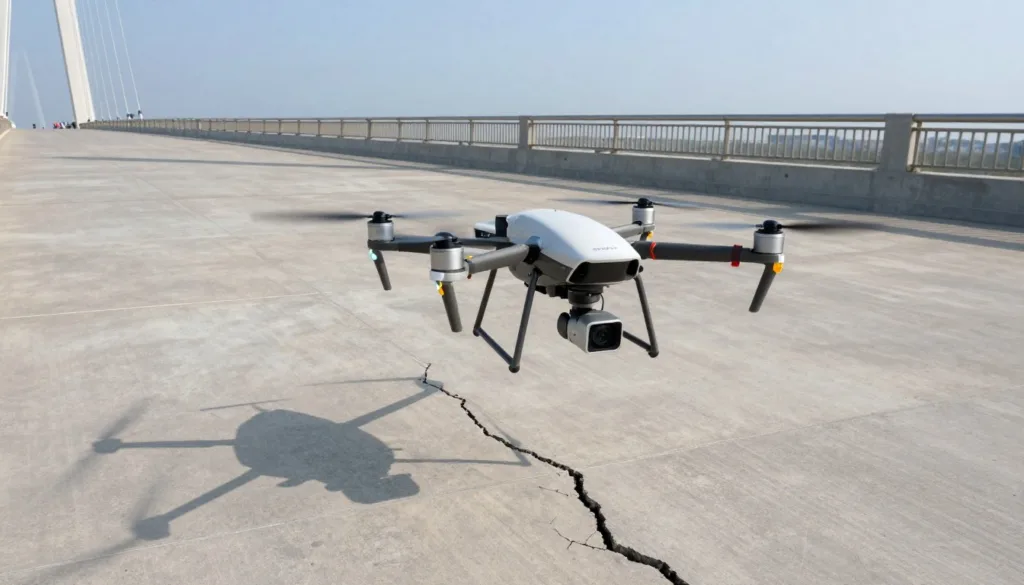
Each graded module sets a target number of cracks to find and capture. Record every crack to earn full credit. Capture only some, land, and power off the drone to end the module, and the score reflects the cracks recorded.
This UAV inspection simulator supports focused drone flight control practice around bridge structures. Pilots can work on camera placement and steady movement. GPS-denied drone training helps prepare them to manage flight when satellite signals are unavailable. Free Flight is ungraded, with no objectives or cracks to find.
Plan UAV Bridge Surveys for Safety, Image Quality, and 3D Modeling
Good UAV bridge survey planning starts with a clear view of the structure, safe flight paths, and the details inspectors need to document. Stable flight and careful camera settings help preserve bridge inspection image quality, even around shaded areas and narrow supports.
In 2017, a U.S. Forest Service-sponsored project used UAV imagery to inspect Alaska’s Placer River Trail Bridge. The team planned the mission, captured images, and analyzed the data to create a 3D model for inspection records and defect monitoring.
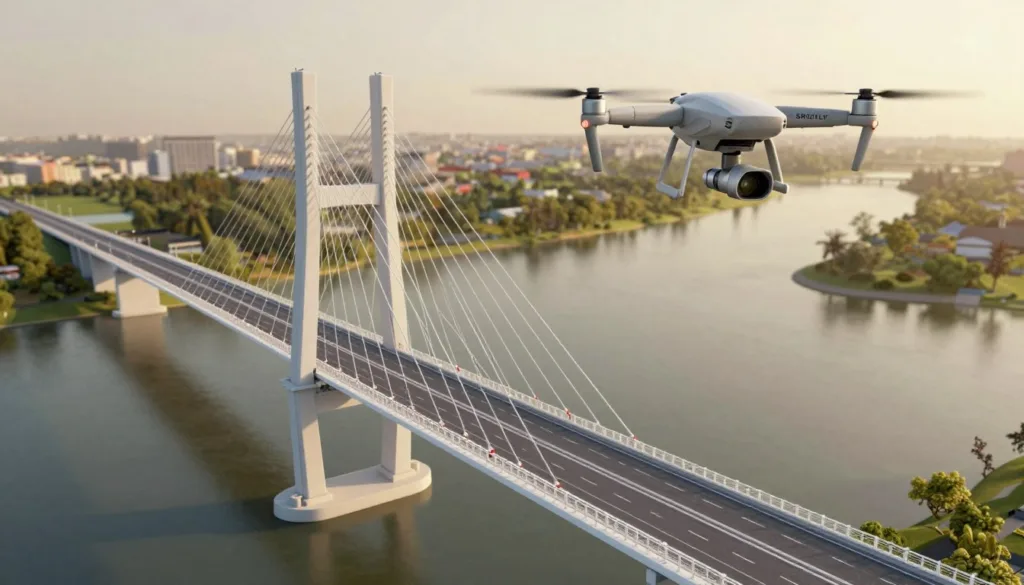
The researchers used a hierarchical Dense Structure-from-Motion algorithm for 3D bridge modeling and compared the result with models made through laser scanning. Their work showed how photogrammetry for bridges can support detailed records, while drone structural assessment can help infrastructure managers track defects over time.
Conclusion
Bridge inspection flight simulation helps pilots practice crack detection and steady control before a real survey. Zephyr modules build from known crack locations to less predictable tasks, including changing wind and unreliable GPS.
This practice supports UAV bridge inspection safety by helping pilots work at varied distances from bridge surfaces and capture clear images. It also gives teams a chance to refine their drone inspection workflow before they fly on site.
Effective planning still matters. Teams need to choose a suitable camera, check image detail and geometric resolution, plan data collection, and follow safety rules and pilot protocols.
With careful preparation, crews can collect useful records while reducing risk. A consistent approach to bridge defect monitoring makes it easier to compare findings and track changes over time.