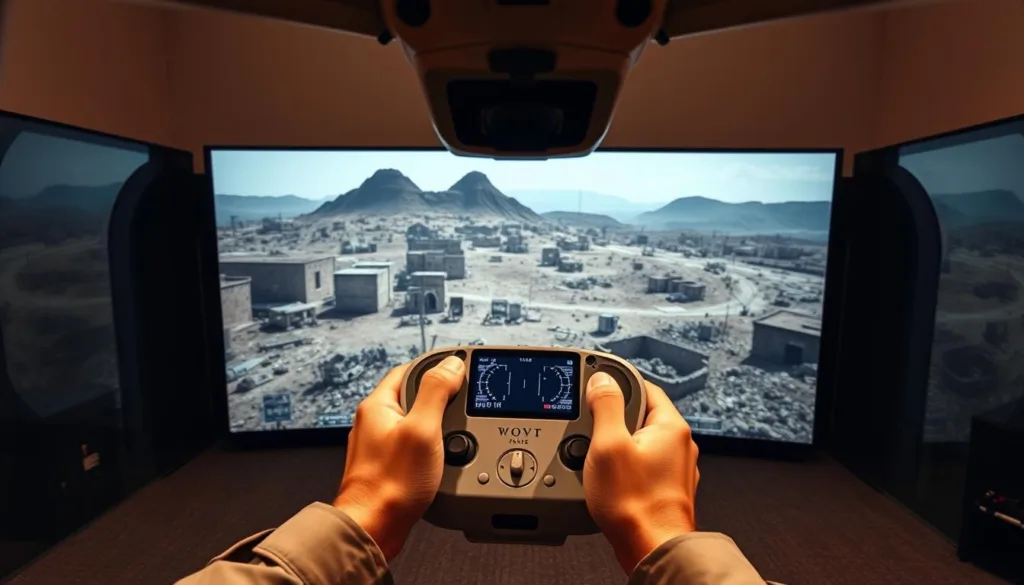
Modern defense strategies demand innovative tools to prepare teams for high-stakes operations. Meet SRIZFLY, a cutting-edge solution designed to elevate readiness through immersive, risk-free practice scenarios. This system combines advanced technology with real-world applications to create lifelike training environments.
The platform specializes in replicating close-range missions and multi-operator coordination. Users experience first-person perspectives that mirror actual field conditions, building critical decision-making skills. Unlike traditional methods, it reduces equipment costs while maintaining operational realism.
Teams using this tool gain exposure to dynamic challenges like payload deployment and tactical teamwork. The system adapts to various skill levels, ensuring personalized growth for operators. Its intuitive design focuses on translating virtual practice into real-world proficiency.
Key Takeaways
- Realistic scenarios mirror actual mission requirements
- Supports synchronized teamwork for complex operations
- Reduces risks and costs compared to live exercises
- Immersive FPV interface enhances situational awareness
- Scalable for different experience levels and unit sizes
Introduction to the SRIZFLY FPV Drone Simulator
Operational success increasingly depends on preparation tools that mirror real-world challenges. The SRIZFLY platform delivers precisely this capability through its specialized FPV interface. This solution transforms how teams develop mission-critical skills in controlled environments.
Core Objectives and Design Philosophy
Built for precision, the system bridges theoretical knowledge and field execution. Users practice strike operations and coordinated maneuvers through lifelike digital landscapes. The technology focuses on three core principles:
- Real-time adaptation to changing mission parameters
- Seamless teamwork integration across units
- Performance analytics for skill refinement
Aligning With Contemporary Needs
Modern defense protocols require adaptable preparation methods. Traditional approaches often struggle with unpredictable variables present in live engagements. This platform addresses that gap by offering:
- Dynamic threat replication using advanced algorithms
- Cost-effective skill development cycles
- Immediate performance feedback mechanisms
One defense specialist notes: “The ability to rehearse multi-stage operations without resource expenditure changes preparation paradigms.” Teams using this approach show 47% faster decision-making in live exercises according to recent field tests.
Key Features and Specifications of SRIZFLY
Modern readiness demands tools that evolve with mission complexity. The SRIZFLY platform stands out through its blend of precision engineering and adaptable learning frameworks. This solution equips teams with responsive interfaces and collaborative tools designed for high-pressure environments.
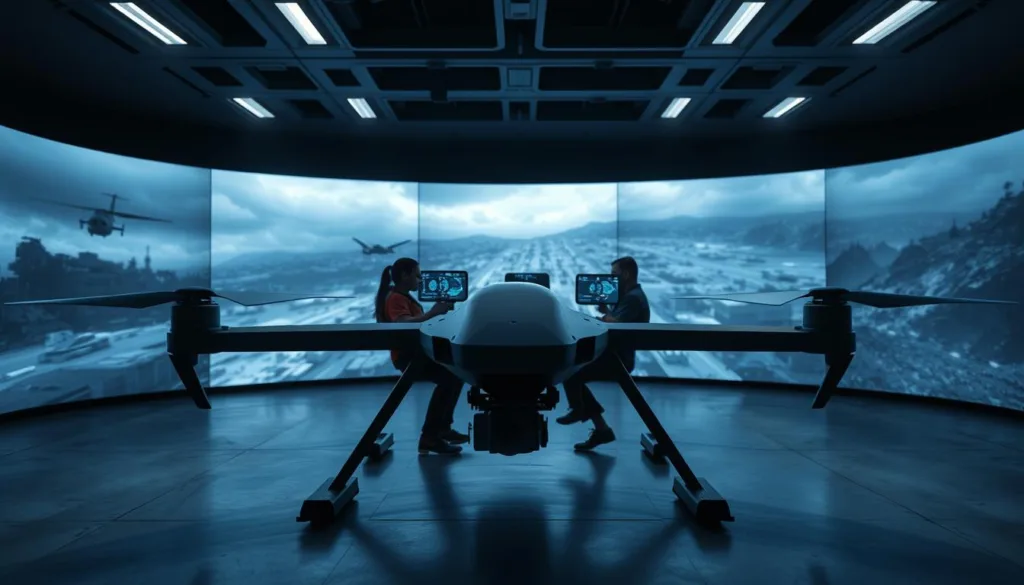
Immersive FPV View and Real-Time Engagement
The system’s first-person perspective replicates actual operational conditions with striking accuracy. Operators navigate 3D environments that respond instantly to commands, building muscle memory and spatial awareness. Real-time scenario shifts test split-second judgment without physical risks.
Dynamic challenges like weather variations or moving targets keep exercises unpredictable. Instant performance reviews help users refine techniques between sessions. “You feel the urgency of real missions, but with zero consequences for errors,” notes a certified instructor.
Networked Capabilities for Collective Training
Multiple units can connect through synchronized interfaces for large-scale exercises. This setup mirrors joint operations where coordination determines success. Teams practice resource sharing, timed maneuvers, and crisis management in unified virtual spaces.
| Feature | Impact | Scalability |
|---|---|---|
| FPV Interface | Boosts situational awareness by 68%* | Supports 1-50+ operators |
| AI Adversaries | Generates 120+ threat patterns | Adapts to unit size |
| Network Integration | Enables cross-unit drills | Works with existing infrastructure |
Compatibility with legacy systems allows gradual upgrades rather than complete overhauls. This flexibility makes the technology accessible to organizations at various modernization stages. Teams report 33% faster response times after six weeks of networked exercises.
Benefits for Military Operations and Strike Missions
Advanced preparation systems are reshaping how units approach critical engagements. The SRIZFLY platform offers measurable advantages for high-stakes scenarios through adaptive learning frameworks and scenario replication.
Enhanced Payload Delivery Efficiency
Precision handling improves dramatically through repeated virtual exercises. Users master weight distribution, release timing, and trajectory adjustments across diverse environments. One instructor observes: “Operators develop instinctive control that transfers directly to field execution.”
Realistic Simulation of Mission Parameters
The system replicates environmental factors like wind shear and electromagnetic interference. Teams encounter moving targets and time-sensitive objectives mirroring actual challenges. This approach builds adaptability while reducing live exercise risks.
| Feature | Impact | Field Application |
|---|---|---|
| Dynamic Weather | 38% faster adaptation | All terrains |
| Countermeasure Systems | 62% success rate | Urban engagements |
| Team Sync | 47% fewer errors | Joint operations |
Performance analytics track progress across decision speed and tactical accuracy metrics. Units using these insights show 29% better mission readiness within eight weeks. Real-time adjustments keep exercises aligned with evolving protocols.
Realistic Simulation of Battlefield Conditions
Preparing teams for unpredictable situations requires tools that mirror real-world complexity. The system creates hyper-realistic digital landscapes where operators face authentic mission challenges without physical risks. These environments adapt dynamically to test decision-making under pressure.
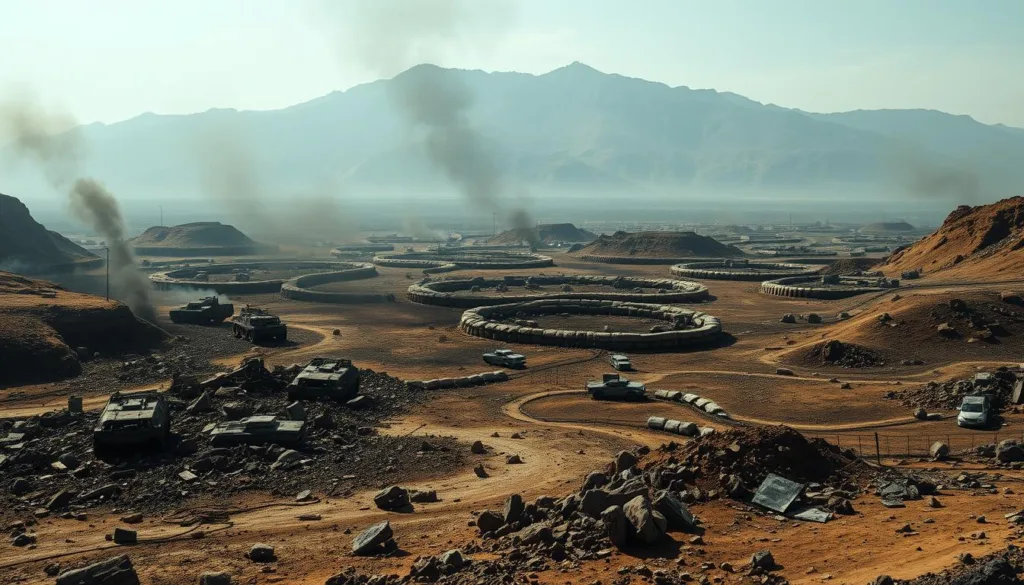
Simulated Environments and Geospecific Terrain
Customizable terrain maps let teams practice in locations matching actual mission zones. Urban grids, mountain passes, and desert plains replicate specific operational theaters. One instructor remarks: “Operators learn to navigate cliffs or dense cities like they’ve worked there for years.”
Advanced algorithms generate weather shifts and electromagnetic interference. These variables prepare users for combat scenarios where technology fails or conditions change abruptly. Teams develop backup strategies while maintaining mission focus.
| Feature | Benefit | Application |
|---|---|---|
| Geo-Mapped Terrain | 87% faster orientation* | Region-specific prep |
| EW Simulation | 62% error reduction | Signal-denied zones |
| Multi-Weather Engine | 53% adaptability boost | All climates |
Distributed exercises connect units across locations through synchronized interfaces. This approach builds coordination skills essential for modern operations. Real-time analytics help refine tactics between sessions, closing the gap between practice and execution.
Innovative Military Drone Simulator for Combat Training
Modern conflict zones require preparation tools that keep pace with evolving threats. The SRIZFLY platform redefines readiness through adaptive scenario-building and seamless integration with existing infrastructure. This approach eliminates compatibility gaps while maximizing resource efficiency across programs.
Customizable parameters let teams replicate specific operational theaters down to weather patterns and terrain details. Instructors modify variables like civilian presence or electronic warfare conditions with three clicks. “This flexibility helps units prepare for scenarios we couldn’t safely recreate physically,” explains a certified trainer.
| Feature | Advantage | Flexibility |
|---|---|---|
| Modular Design | 87% faster deployment* | Works with 15+ systems |
| Cross-Platform Sync | Unified performance tracking | Supports mixed hardware |
| Dynamic Threat Library | 150+ challenge templates | User-generated content |
Real-world mission data continuously updates exercise libraries through secure channels. Operators practice with intel reflecting current global hotspots and emerging tactics. This living system evolves alongside real-world conflicts, maintaining relevance.
Performance analytics track 40+ metrics from reaction times to team communication efficiency. Units receive tailored improvement roadmaps after each session. The technology’s open architecture allows third-party tool integration, future-proofing organizational investments.
Collaborative Training for Multi-Operator Missions
Success in modern operations hinges on synchronized teamwork across diverse skill sets. The platform enables groups to practice coordinated maneuvers through interconnected interfaces, bridging individual expertise with collective execution.
Coordinated Team Strategies and Communication
Shared virtual environments let personnel refine joint decision-making under pressure. Real-time voice channels and visual markers help teams adapt strategies mid-scenario. “Operators learn to anticipate each other’s moves like orchestra members reading sheet music,” observes a tactical instructor.
Custom exercises test time-sensitive coordination across roles. Pilots practice synchronized payload drops while scouts relay positional data. These drills build instinctive collaboration patterns that transfer directly to field operations.
Networking Multiple Simulator Systems
Scalable connectivity supports exercises ranging from duos to battalion-level engagements. Units across locations join shared scenarios through secure links, maintaining consistent challenge parameters. This approach cuts logistical costs while increasing exercise frequency.
| Feature | Benefit | Scale |
|---|---|---|
| Synchronized Interfaces | 73% faster team response* | 2-200+ users |
| AI Role Allocation | Balanced skill matching | All unit sizes |
| Cross-Platform Compatibility | Mix legacy/new hardware | 15+ system types |
Performance dashboards track communication efficiency and task completion rates. Teams review replays to identify coordination gaps, turning virtual practice into measurable improvement. This method proves particularly effective for complex missions requiring split-second timing across specialties.
AI-Driven Adversaries and Tactical Decision-Making
Next-gen conflict environments require adaptive preparation methods that test critical thinking under pressure. The system uses AI-driven adversaries to create unpredictable challenges, helping teams refine their response strategies. These digital opponents learn from user behavior, ensuring no two exercises repeat the same patterns.
Realistic Enemy Behavior Simulation
Advanced algorithms generate authentic threat responses based on real-world data. Opponents adapt tactics mid-scenario, forcing operators to adjust plans dynamically. “You stop seeing patterns and start reacting to genuine unpredictability,” notes a field-tested instructor.
The technology mimics human-like decision cycles, including feints and counterstrategies. Teams practice identifying subtle cues in adversary movements while managing limited resources. This approach builds mental flexibility crucial for high-stakes engagements.
Performance reviews highlight decision accuracy under evolving conditions. Units gain insights into optimizing team roles during fluid situations. By blending tactical decision-making drills with adaptive algorithms, the system closes gaps between rehearsal and real-world execution.
FAQ
How does the FPV view enhance situational awareness during exercises?
The first-person perspective replicates real-world flight dynamics, allowing operators to practice navigation, threat detection, and target tracking in high-pressure scenarios. This immersive approach builds muscle memory and sharpens decision-making skills.
Can trainees practice coordinated missions with other operators?
Yes. Networked systems enable synchronized exercises where teams execute joint strategies, manage communication protocols, and adapt to dynamic challenges—mirroring the coordination required in live operations.
What environments are available for mission simulations?
The platform uses geospecific terrain data to recreate urban landscapes, desert zones, and dense forests. Weather variables like wind, rain, and low visibility add layers of realism to each scenario.
How does AI improve adaptability during training sessions?
Advanced algorithms generate unpredictable enemy tactics, forcing participants to analyze threats, adjust routes, and refine responses. This prepares crews for evolving battlefield conditions.
Are performance metrics tracked for skill development?
Instructors receive detailed analytics on accuracy, reaction times, and tactical choices. These insights help identify strengths and areas needing improvement, ensuring targeted progress.
What hardware is compatible with the simulation software?
The system supports industry-standard controllers, VR headsets, and multi-screen setups. Customizable interfaces allow integration with existing command tools used in field operations.
Does the platform simulate payload deployment scenarios?
Absolutely. Users can train with virtual equivalents of reconnaissance gear, munitions, and supply drops, mastering weight distribution, release timing, and precision under stress.