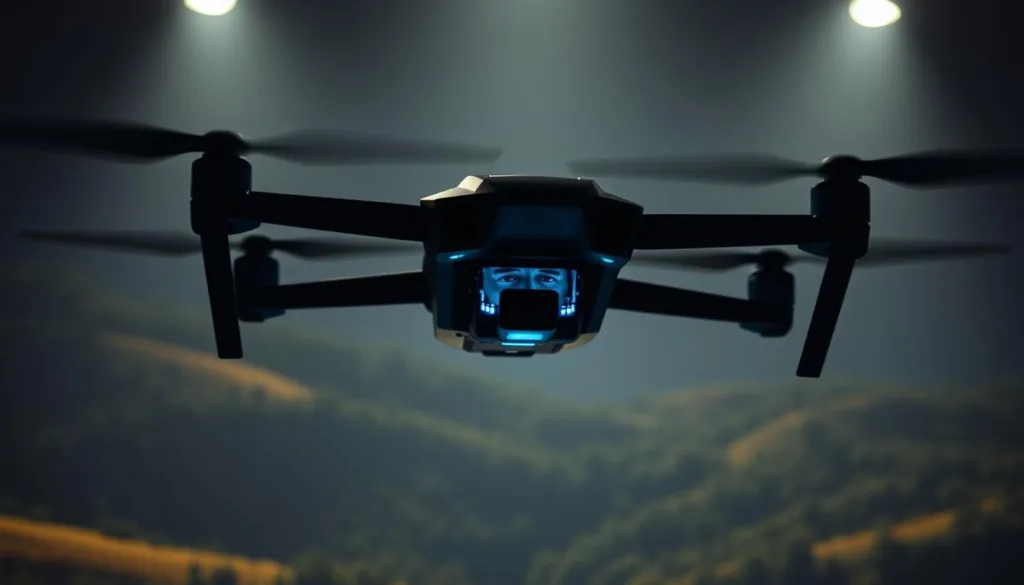
Modern defense teams face evolving challenges that demand innovative preparation methods. SRIZFLY delivers a dynamic platform designed to sharpen tactical skills through hyper-realistic scenarios. This system bridges the gap between classroom theory and real-world execution, offering immersive environments that test decision-making under pressure.
Operators gain access to customizable exercises replicating high-stakes situations. The technology supports single-user drills and synchronized group exercises, fostering teamwork across diverse operational roles. Whether practicing precision maneuvers or rapid response protocols, users experience lifelike sensory feedback through adaptable display options.
What sets this platform apart is its focus on mission-critical applications. Teams rehearse specialized tasks like strategic payload deployment and rapid threat neutralization. Real-time terrain mapping and environmental variables create unpredictable conditions, ensuring operators adapt rather than memorize routines.
Key Takeaways
- Hyper-realistic scenarios enhance decision-making in unpredictable environments
- Supports both solo skill-building and multi-operator collaboration
- Adaptable display options accommodate various training setups
- Focuses on mission-specific skills like precision delivery systems
- Dynamic environmental factors prevent pattern memorization
- Immediate performance feedback accelerates skill development
Introducing SRIZFLY: The Ultimate Military FPV Drone Mission Simulator
Cutting-edge simulation tools now drive operational excellence in high-stakes environments. The SRIZFLY system redefines tactical preparation by merging lifelike scenarios with modular technology. Operators experience authentic sensory feedback through customizable displays, creating muscle memory for critical maneuvers.
This platform shines through its networked architecture. Multiple units sync seamlessly to simulate coordinated strikes across vast digital battlefields. Teams practice synchronized payload deployment while adapting to shifting environmental conditions – wind patterns change, visibility drops, and new threats emerge mid-session.
Key advantages include:
- Multi-system integration for battalion-level exercises
- Progressive skill development from basic navigation to advanced combat tactics
- Real-time terrain generation that mirrors global conflict zones
Unlike conventional programs, SRIZFLY prioritizes adaptive thinking over scripted routines. Trainees face unpredictable challenges that test split-second decision-making. After-action reviews highlight strengths and growth areas using detailed performance metrics.
The system’s modular design supports various hardware configurations. Whether using desktop stations or full-motion cockpits, users gain consistent training quality. This flexibility makes it ideal for units upgrading existing infrastructure while maintaining readiness standards.
Realistic Combat Training Scenarios with SRIZFLY
Today’s operational readiness requires preparation that mirrors real-world complexities. The SRIZFLY platform delivers authentic battlefield experiences through dynamic challenges that test both technical skills and mental resilience. Trainees encounter urban assault simulations where every alleyway might hide threats, alongside open-terrain engagements demanding rapid strategic shifts.
Smart opponents powered by adaptive algorithms keep operators on high alert. These digital foes analyze tactics and counter maneuvers in real time, forcing trainees to outthink rather than outmuscle challenges. One session might involve evading detection while delivering critical supplies, while another requires neutralizing moving targets under time pressure.
| Training Aspect | SRIZFLY Approach | Conventional Systems |
|---|---|---|
| Scenario Variety | 35+ terrain types with dynamic weather | Fixed environment templates |
| Adversary Behavior | Machine learning adaptation | Pre-programmed patterns |
| Environmental Factors | Real-time signal interference simulation | Basic visibility adjustments |
| Feedback Mechanism | Instant performance heatmaps | Generic success/failure metrics |
Electronic warfare simulations add another layer of authenticity. Trainees practice operating through scrambled communications and navigational blackouts – skills crucial for modern conflict zones. The system tracks how quickly teams restore functionality while maintaining mission focus.
These immersive exercises build muscle memory for high-pressure decisions. Operators learn to prioritize objectives when intel gets fuzzy or equipment falters. After-action reviews highlight response times and pattern recognition gaps, turning every session into measurable progress.
By blending physical realism with cognitive challenges, the platform creates transferable skills that stick. Teams emerge better prepared to handle the unexpected twists that define actual operations.
Immersive FPV Views and Advanced Drone Simulation Features
Advanced visualization systems now redefine how personnel prepare for high-stakes operations. The platform delivers unparalleled environmental immersion through its proprietary display technology, creating lifelike conditions that sharpen tactical instincts.
Enhanced Visual Experience for Operators
Operators gain crystal-clear perspective through dynamic camera systems that mimic human vision ranges. Spatial audio cues and depth perception enhancements create 360° situational awareness. This realistic simulation helps users master obstacle navigation while managing multiple data streams.
| Feature | SRIZFLY Advantage | Standard Systems |
|---|---|---|
| Visual Fidelity | 4K resolution with 120Hz refresh | 1080p at 60Hz |
| Environmental Factors | 32 variable weather profiles | 6 preset conditions |
| Field of View | 150° adjustable perspective | Fixed 90° angle |
| Adaptability | Instant terrain regeneration | Preloaded maps only |
Dynamic Combat Environment Replication
The system generates evolving challenges that test adaptability. Urban canyons transform into hostile airspace within moments, requiring rapid strategy shifts. Teams practice coordinating movements while managing sudden equipment failures or communication blackouts.
Real-time terrain modifications keep operators alert to changing priorities. One exercise might start with clear skies before introducing sandstorms that reduce visibility by 80%. These unpredictable elements build confidence in handling unexpected scenarios during actual operations.
Collaborative Multi-Operator Mission Training
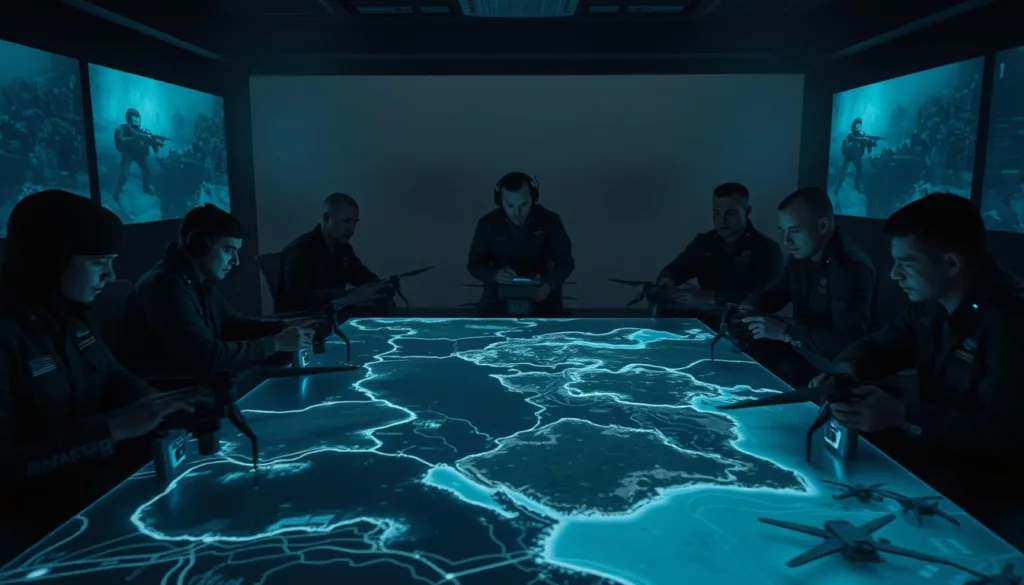
Team-based operational success demands tools that mirror real-world coordination challenges. The SRIZFLY platform enables synchronized exercises where groups tackle complex objectives through shared strategy development. Operators practice joint maneuvers across connected systems, building trust through repeated scenario iterations.
Coordinated Team Strategies in Training
Groups learn to divide responsibilities during time-sensitive operations. One team might handle surveillance while another executes precision deliveries, adapting roles as scenarios evolve. This approach develops leaders who can:
- Delegate tasks based on operator strengths
- Adjust tactics during unexpected complications
- Maintain situational awareness across multiple fronts
| Training Aspect | SRIZFLY Capability | Standard Solutions |
|---|---|---|
| Scenario Scale | 12+ simultaneous operators | 4 operator maximum |
| Communication Tools | Encrypted voice/data channels | Basic audio only |
| Synchronization Accuracy | 10ms action-response latency | 200ms+ delay |
Improving Communication and Synchronization
Real-time feedback loops help teams refine their interaction patterns. Exercises reveal how delayed responses affect mission timelines, encouraging clearer briefings. Operators develop non-verbal cues through repeated collaborative sessions, reducing reliance on voice commands during critical phases.
The system tracks synchronization metrics like reaction times and error rates. These insights help instructors identify communication bottlenecks. Teams learn to anticipate partner movements, creating fluid coordination that transfers to field operations.
AI-Driven Adversaries and Tactical Precision in Training
Modern training systems must adapt to intelligent threats that evolve during operations. The SRIZFLY platform introduces opponents powered by machine learning algorithms that analyze and counter user strategies in real time. These digital foes create scenarios where every decision triggers unpredictable reactions, mirroring the fluid nature of modern engagements.
Simulating Complex Combat Scenarios
Traditional systems rely on scripted enemy behaviors, but SRIZFLY’s adversaries learn from operator patterns. They employ flanking maneuvers, electronic countermeasures, and adaptive camouflage – tactics observed in recent global conflicts. This forces trainees to constantly revise their approaches rather than follow memorized playbooks.
| Training Aspect | SRIZFLY | Traditional Systems |
|---|---|---|
| Adversary Behavior | Machine learning adaptation | Fixed response trees |
| Learning Speed | Adjusts mid-scenario | Pre-programmed cycles |
| Countermeasure Variety | 28+ documented tactics | 6 basic responses |
Operators face challenges like sudden signal jamming during critical maneuvers or false thermal signatures confusing targeting systems. These elements reflect the complexities of contemporary battlefields where technology constantly shifts the advantage.
The system’s semi-automated forces software generates realistic civilian movements and collateral damage risks. Trainees practice distinguishing threats from non-combatants while maintaining mission focus – a critical skill for urban operations.
After-action reviews highlight decision-making patterns using color-coded timelines. Instructors can pinpoint moments where hesitation occurred or situational awareness lapsed, turning every exercise into measurable growth opportunities.
Customization and Versatility for Diverse Military Units
Adaptable training systems have become essential for units facing diverse operational demands. The SRIZFLY platform stands out by offering tailored exercises that match specific unit profiles. Its architecture supports modifications ranging from terrain types to mission objectives, ensuring relevance across different specialties.
Tailored Scenarios for Special Forces
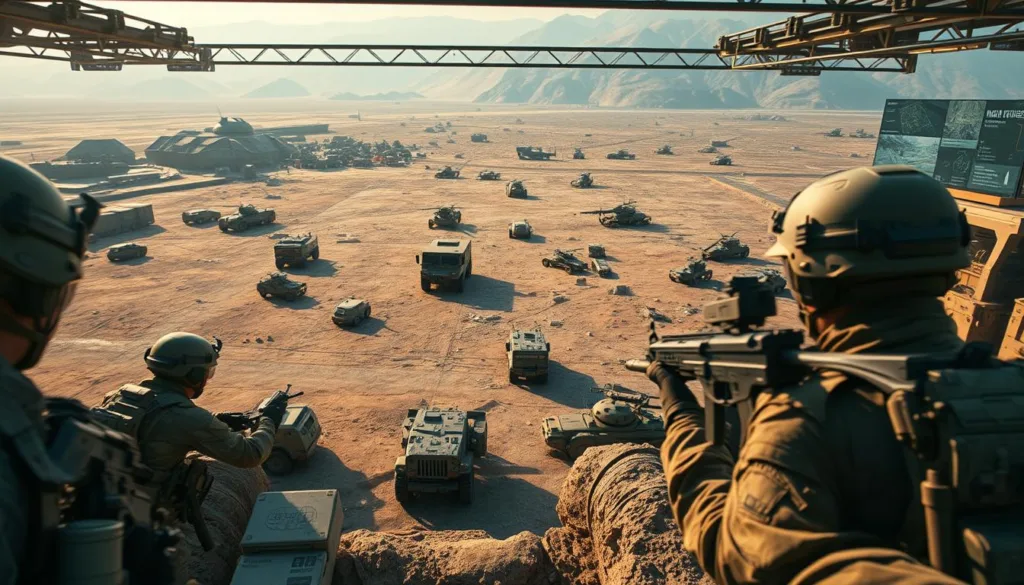
Elite teams require unique challenges that mirror their high-risk assignments. The system generates stealth insertion drills and hostage rescue simulations with variable threat levels. Operators face adaptive challenges like sudden intelligence updates or shifting extraction points, building mental agility alongside technical skills.
| Feature | SRIZFLY | Basic Systems |
|---|---|---|
| Scenario Types | 40+ mission templates | 12 fixed scenarios |
| Role-Specific Modules | Reconnaissance to strike packages | Generic objectives |
| Environmental Variables | Adjustable civilian density, EW effects | Static non-combatant placement |
| Skill Level Adaptation | Auto-difficulty scaling | Manual preset selection |
Urban operations might involve navigating crowded markets while avoiding collateral damage. Mountainous terrain exercises test altitude adaptation and thermal management. Each scenario integrates real-world variables like cultural nuances and local infrastructure layouts.
The platform’s modular design lets instructors adjust exercise complexity mid-session. Novices start with clear objectives and gradual pressure increases, while veterans tackle layered challenges with minimal guidance. This flexibility makes it a comprehensive training solution for evolving operational needs.
System Integration and Compatibility with Existing Military Protocols
Seamless integration with current infrastructure remains critical for modern preparation solutions. The SRIZFLY platform syncs effortlessly with standard operational frameworks, maintaining protocol adherence while enhancing skill development. Its open architecture allows interoperability with legacy equipment, avoiding costly overhauls.
This drone simulator provides realistic scenario playback through common command interfaces. Data exports match standard reporting formats, simplifying after-action reviews. Units preserve existing workflows while upgrading their training process with minimal disruption.
Compatibility extends to communication systems and security protocols. The technology adapts to various encryption standards, ensuring safe data handling. This flexibility makes it an ideal tool for diverse teams needing unified preparation methods.
Updates occur through secure channels that mirror standard upgrade processes. Instructors maintain full control over exercise parameters while aligning with broader readiness objectives. The system evolves alongside operational needs, becoming a lasting asset rather than a temporary solution.
By maximizing existing resources, organizations reduce adoption friction. Teams focus on skill refinement instead of learning new interfaces. This approach streamlines the training process while meeting strict compatibility requirements across branches.
FAQ
How does this system improve team coordination during operations?
It allows squads to practice collaborative combat scenarios in real time, simulating how teams work together under pressure. Operators learn to synchronize actions, share intel, and adapt strategies as a unit.
Can the training adapt to different environments or threats?
Yes. The platform offers customizable scenarios, from urban warfare to open-field engagements. Users can adjust terrain, weather, and enemy behavior to match real-world challenges their units might face.
What makes the flight experience feel authentic?
Advanced physics engines replicate real-time battlefield conditions, including wind resistance and equipment limitations. The first-person view mirrors actual cockpit controls, creating muscle memory for operators.
How does the AI enhance tactical decision-making?
A: AI-driven adversaries react unpredictably, forcing trainees to analyze risks and adjust tactics on the fly. This builds critical thinking skills for high-stakes situations without real-world consequences.
Is the platform compatible with existing defense systems?
Absolutely. It integrates seamlessly with standard military protocols and communication tools, ensuring skills learned translate directly to live operations. Regular updates maintain alignment with evolving tech standards.
Can specialized units create scenario-specific drills?
Special forces can design tailored simulations for unique objectives, like hostage rescues or precision strikes. The system logs performance data to refine strategies and identify improvement areas.
How does the system prepare operators for close-range engagements?
High-stakes combat simulations replicate split-second decision-making, from evasive maneuvers to target prioritization. Haptic feedback adds physical realism to mimic battlefield vibrations and impacts.