



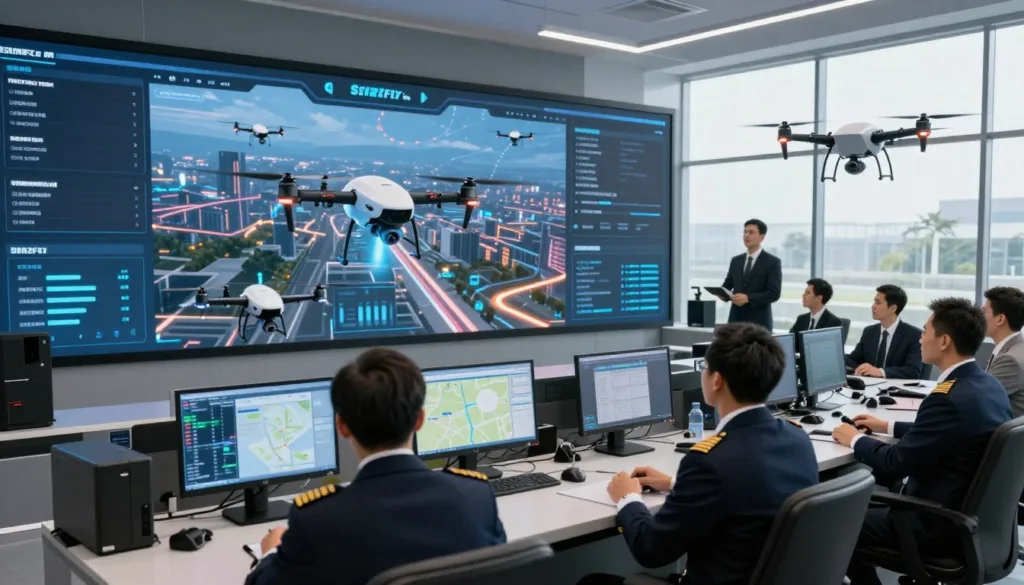
Drone activity is growing fast across the United States. Pilots now fly remote aircraft for public safety, mapping, agriculture, infrastructure, and delivery missions. As crowded skies become the new normal, operators need advanced skills to fly safely.
Using the SRIZFLY drone simulator helps pilots master essential skills before heading outdoors. Operators must monitor nearby aircraft, plan safe flight paths, and respond quickly when weather or obstacles change.
Good preparation stops accidents before they happen. Effective simulation practice gives pilots the confidence they need in shared airspace.
Key Takeaways
- Drone missions are expanding rapidly across commercial and public sectors in the United States.
- Shared airspace requires operators to monitor surrounding aircraft and manage routes carefully.
- The SRIZFLY drone simulator prepares pilots for complex real-world flight scenarios.
- Virtual practice improves rapid decision-making during unexpected weather or emergency conditions.
- Interactive learning builds essential safety habits without risking expensive hardware outdoors.
UAV Traffic Control Simulation Training: Building Safer, More Confident Pilots
UAV traffic management extends far beyond major airports and high-altitude commercial routes. Many drone flight operations take place at low altitudes near buildings, busy roads, and active worksites. These crowded environments demand precision from every operator.
When multiple aircraft share restricted spaces near heliports or emergency scenes, coordination becomes critical. Even small drones can create serious hazards if pilots lack proper situational awareness. Preparing for these dynamic conditions requires structured practice before entering real-world airspace.
Why UAV Traffic Management Skills Matter
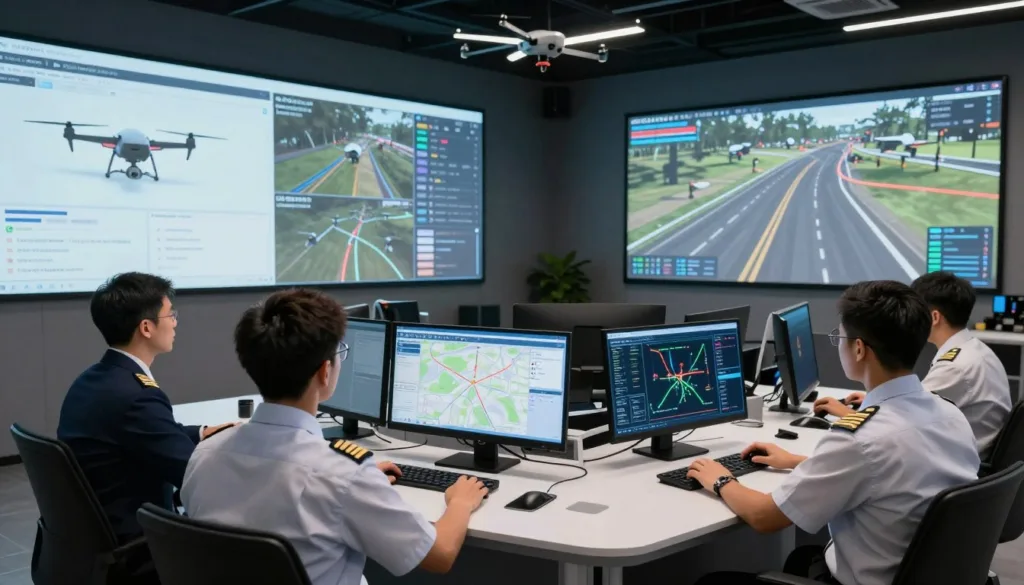
Modern skies are becoming crowded with commercial and recreational drones. Pilots must understand how to share airspace safely to avoid collisions. Strong traffic management skills ensure that missions run smoothly without disrupting public safety.
Operators who master these competencies can anticipate risks before they escalate. This proactive approach separates professional pilots from hobbyists. Safe navigation protects valuable equipment and maintains public trust in drone technology.
Common Airspace Scenarios Pilots Need to Practice
Every pilot encounters unexpected obstacles during routine missions. Training programs must reflect these real-world challenges to build true competence. Effective preparation focuses on several high-risk situations.
- Navigating sudden GPS signal loss near urban concrete structures.
- Coordinating flights alongside manned emergency response helicopters.
- Managing crowded delivery routes above busy commercial districts.
- Handling unexpected weather shifts during critical infrastructure inspections.
How Simulation Reduces Training Risk and Cost
Traditional flight training often exposes expensive aircraft to avoidable crashes. Mistakes made in the real world can damage property or cause injuries. Virtual environments eliminate these physical dangers completely.
Pilots can test risky maneuvers repeatedly without financial consequences. This safe space encourages faster learning and deeper confidence. Ultimately, virtual environments provide the most cost-effective path to mastering advanced flight operations.
How SRIZFLY Helps Pilots Master Real-World UAV Traffic Control
Professional drone operations demand quick thinking and precise execution. When unexpected hazards appear in crowded airspace, operators must react without hesitation.
The SRIZFLY platform serves as a practical training environment where pilots can turn basic airspace knowledge into confident, repeatable flight decisions. The core goal goes far beyond making the simulator look visually impressive. Effective training requires operators to observe, interpret, decide, communicate, and act in the correct sequence every single time.
Practice Situational Awareness and Fast Decision-Making
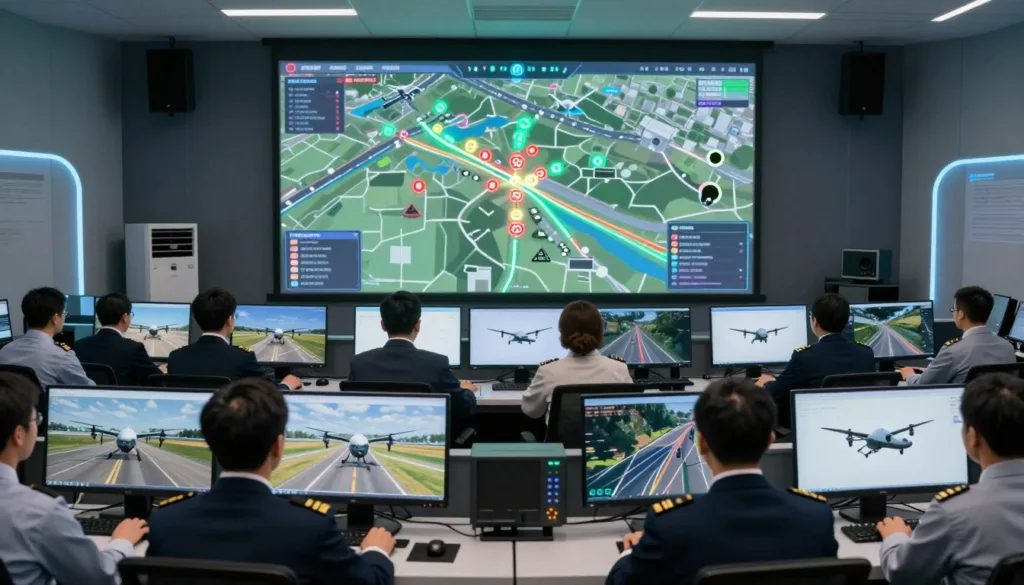
Pilots often face sudden changes while managing multiple aircraft in shared airspace. Maintaining strong situational awareness is the key to preventing mid-air conflicts.
The software forces operators to process multiple data streams at once. They learn to spot potential hazards early and make split-second choices.
Quick reactions prevent minor navigation errors from turning into major safety incidents. Every session pushes users to sharpen their mental focus under pressure.
Build Consistent Responses Through Repeatable Flight Scenarios
Muscle memory and operational habits develop through steady repetition. Real-world mastery comes from practicing standard procedures until they feel completely natural.
Instructors can set up specific weather challenges, sudden system failures, and heavy traffic jams. Pilots run through these exact scenarios multiple times to test different strategies.
Consistent responses reduce human error during high-stakes missions. Operators learn what works best and apply those lessons directly to daily work.
Measure Progress With Performance-Based Training
Growth requires clear metrics and honest feedback after every flight. Guesswork has no place in professional aviation safety.
The system tracks every action a pilot takes during a simulation run. Detailed logs show reaction times, communication accuracy, and adherence to rules.
Instructors use these data points to highlight strengths and point out areas for improvement. Pilots get a clear picture of their skill growth over time, ensuring they stay sharp and fully prepared for the skies.
Using UAV Simulation to Prepare for Safer Daily Operations
True operational safety begins when your virtual training mirrors actual daily workflows. Simulation training creates the most value when it is connected directly to daily operating procedures.
A pilot should never practice random events without understanding how the operator expects those situations to be handled. Every flight session must reinforce the rules that keep your team safe in the real world.
Your training program should reflect the core elements of your company culture. This ensures that skills learned in the simulator transfer smoothly to outdoor missions.
To build a robust training routine, make sure your simulation exercises incorporate the following operational elements:
- Standard Operating Procedures: Practice routine takeoffs, waypoint navigation, and landings according to company guidelines.
- Emergency Checklists: Run through critical failure scenarios while following exact memory items and paper checklists.
- Mission Planning Process: Test airspace evaluation, weather assessment, and risk mitigation steps before launching the virtual drone.
- Communication Plans: Rehearse radio calls, crew resource management, and visual observer handoffs during complex flights.
- Reporting Requirements: Practice post-flight debriefs and incident logs so pilots know how to document events properly.
When practice matches reality, pilots gain absolute clarity on their duties. They stop guessing and start executing missions with confidence and precision.
Conclusion
Safe UAV operations demand more than basic aircraft control. Pilots must spot traffic, plan flight routes, keep proper separation, and talk clearly. Managing high workloads and quick mission changes requires sharp focus.
Pilots struggle to build these vital habits through classroom books alone. Practical flight simulation bridges this gap by placing operators in realistic scenarios without real-world danger.
Mastering airspace management tools from SRIZFLY sets a new standard for professional aviators. Better simulation training leads to fewer incidents and stronger mission success across the United States.
FAQ
What is UAV traffic control simulation training and why is it needed in the United States?
A: UAV traffic control simulation training prepares commercial drone pilots to navigate increasingly crowded low-altitude airspace. As commercial drone missions expand across infrastructure inspection, public safety, agriculture, mapping, and delivery, pilots must manage shared airspace, monitor traffic, and coordinate safe routes near buildings, roads, and active airports.
How does the SRIZFLY drone simulator improve commercial drone pilot training?
The SRIZFLY drone simulator provides a practical, risk-free training environment where pilots can transform airspace knowledge into repeatable flight decisions. Instead of focusing solely on visual realism, SRIZFLY trains pilots to observe, interpret, decide, communicate, and act in the correct sequence during complex missions.
Can simulation training be customized to match an organization’s standard operating procedures?
Yes. UAV simulation training creates maximum value when directly connected to daily operating procedures. Training scenarios can be tailored to reflect your organization’s standard operating procedures, emergency checklists, mission planning workflows, communication protocols, and mandatory reporting requirements.
What critical skills do pilots develop using a UAV flight simulator?
Beyond basic aircraft handling, pilots using advanced tools like the SRIZFLY drone simulator learn crucial cognitive skills. These include situational awareness, traffic recognition, route planning, separation maintenance, high-workload management, and fast decision-making when unexpected mission changes occur.
Why is low-altitude air traffic management challenging for commercial drone operators?
Low-altitude operations often take place near active worksites, heliports, emergency scenes, and busy roadways. These dynamic environments present serious coordination challenges, requiring commercial drone pilots to maintain constant awareness of surrounding air and ground traffic even during small-scale flights.
How does performance-based training in a simulator reduce operational risks and costs?
Practicing emergency scenarios, airspace conflicts, and mission changes in a UAV traffic control simulation eliminates the financial and physical risks associated with real-world crashes. Operators can measure pilot progress objectively, ensuring team members are fully prepared before executing live commercial flights.