Welcome to the exciting world of virtual training for pilots. This powerful software lets you hone your flying skills right from your home computer. It’s a fantastic tool for anyone passionate about mastering remote aircraft control.
A quality PC-based training program offers an accessible and safe way to practice. You can master complex maneuvers and build confidence without any risk to expensive equipment. This method is perfect for preparing for your first real flight or refining advanced techniques.
Modern computer platforms provide excellent performance and work with many controllers. This makes them a top choice for serious enthusiasts. Realistic physics and immersive environments replicate actual flying conditions with amazing accuracy.
Join a global community of pilots who use this technology. They discover that dedicated practice on these systems leads to better performance and increased safety outdoors. It’s an investment that pays off every time you take to the skies.
Key Takeaways
- Virtual training provides a safe, risk-free environment to learn and practice.
- It is a cost-effective way to build skills before flying real aircraft.
- Modern software offers realistic physics and immersive experiences.
- This type of practice helps improve your confidence and control.
- Skill development on a simulator translates directly to better real-world performance.
- It is suitable for both beginners and experienced pilots looking to advance.
- Compatible with a wide range of hardware for a customized experience.
Overview of Windows Drone Simulator Software
Virtual flight environments offer unprecedented opportunities for mastering remote aircraft control. These digital platforms create realistic scenarios that mimic actual flying conditions with remarkable accuracy.
Introduction to Drone Flight Simulations
Modern training software replicates the complete flying experience through advanced physics engines. Users develop essential muscle memory and decision-making skills in completely safe virtual spaces.
Beginners appreciate the gradual learning curve with guided tutorials. Experienced operators use these tools to test advanced maneuvers without financial risk.
Key Benefits for Pilots
The financial advantages are immediately apparent. Crashes in virtual space cost nothing compared to real-world equipment damage.
These platforms provide instant performance feedback through detailed analytics. Pilots can track their progress and identify specific areas needing improvement.
| Training Method | Advantages | Limitations |
|---|---|---|
| Virtual Simulation | Risk-free practice, weather independent | Requires computer equipment |
| Real-world Flying | Actual flight experience | Weather dependent, expensive crashes |
| Classroom Training | Theoretical knowledge | No hands-on practice |
| Mentor Guidance | Personalized feedback | Scheduling challenges |
Latest Updates and Simulator Maps
The landscape of virtual pilot training continues to evolve with regular content expansions. Developers consistently introduce fresh environments that challenge skills and maintain engagement.
New Map Releases from REAL DRONE SIMULATOR
REAL DRONE SIMULATOR recently announced three exciting Hungarian locations. The Monastery Ruins map west of Pécs offers atmospheric flights through historic architecture. This environment tests navigation around ancient structures.
Budapest’s Gamerland map presents urban challenges with unique obstacles. Pilots must maneuver through complex cityscapes. The St. Stephen Mine east of Pécs provides industrial settings with tunnels.
These confined spaces demand precision flying skills. Each location offers distinct training scenarios for various skill levels.
Upcoming Updates and Community Highlights
The development team regularly refines physics engines and improves graphics. These updates optimize performance based on user feedback.
Community content includes introduction videos for all new maps. Pilots can preview moonlight props and alpha versions. Staying current ensures access to the latest training tools.
| Map Name | Location | Environment Type | Key Challenges |
|---|---|---|---|
| Monastery Ruins | West of Pécs | Historic Architecture | Navigation around structures |
| Gamerland | Budapest | Urban Landscape | Obstacle avoidance |
| St. Stephen Mine | East of Pécs | Industrial Setting | Precision in confined spaces |
Regular content drops keep the training experience fresh and engaging. Pilots can participate in community events featuring these new environments.
Detailed Product Roundup of Drone Simulators
Exploring the diverse landscape of flight training software reveals several standout options for enthusiasts. Each platform brings unique strengths to virtual pilot development.
REAL DRONE SIMULATOR: Features and Innovations
REAL DRONE SIMULATOR emphasizes realism through continuous content updates. The upcoming Hungarian map collection expands exploration opportunities significantly.
This platform’s commitment to authentic flight dynamics makes it ideal for serious practice. Users appreciate the growing virtual world available for skill development.
Experience of Realistic FPV Drone Racing and Freestyle Modes
FPV SkyDive offers a compelling free-to-play experience welcoming newcomers. It provides depth for experienced pilots seeking advanced challenges.
The racing mode delivers intense FPV competitions against clocks or other pilots. Freestyle environments allow creative trick development without competitive pressure.
Both platforms feature optimized physics replicating real flight characteristics accurately. The variety of aircraft options matches real-world equipment setups perfectly.
| Feature | REAL DRONE SIMULATOR | FPV SkyDive |
|---|---|---|
| Pricing Model | Premium Purchase | Free-to-Play |
| Primary Focus | Realism & Training | Racing & Freestyle |
| Game Modes | Exploration & Challenges | Racing, Freestyle, Contest |
| Controller Support | Various USB Controllers | PlayStation, Xbox, ORQA |
| Key Strength | Authentic Flight Physics | Multiplayer Community |
In-Depth User Reviews and Community Feedback
Community feedback serves as a powerful indicator of software quality and user satisfaction. The collective voice of experienced pilots provides authentic insights into virtual flight training platforms.
These reviews help newcomers make informed decisions about which tools best suit their needs. They reveal how different systems perform in real-world training scenarios.
Analysis of Positive User Reviews
FPV SkyDive demonstrates strong community approval on the Steam platform. The free-to-play title has earned a “Very Positive” rating from thousands of users.
Recent feedback shows growing satisfaction with ongoing improvements. This trend indicates developers are effectively responding to community needs.
| Review Period | Total Reviews | Positive Percentage | Rating Status |
|---|---|---|---|
| All Time | 1,513 | 84% | Very Positive |
| Last 30 Days | 72 | 86% | Very Positive |
Users frequently highlight the realistic physics and intuitive controls. Many note significant improvements in their real-world flying skills after consistent practice.
“The training value is incredible – I went from crashing constantly to smooth flights in just two weeks of practice.”
Popular User-Defined Tags and Ratings
The Steam community hub features active discussion and content sharing. Users categorize their experiences with descriptive tags that highlight key strengths.
Popular tags include “Realistic Physics,” “Flight Training,” and “FPV Racing.” These labels help new users quickly understand the software’s primary benefits.
The vibrant community provides tips, showcases achievements, and offers constructive feedback. This collaborative environment enhances the overall training experience for everyone involved.
Realistic Flight Physics and Immersive Simulation Experience
Achieving true-to-life flight dynamics is the cornerstone of effective virtual pilot training. The most valuable platforms create an experience that feels indistinguishable from controlling a real aircraft.
This authenticity builds the muscle memory and reflexes needed for confident outdoor flying. It turns practice sessions into genuine skill development.
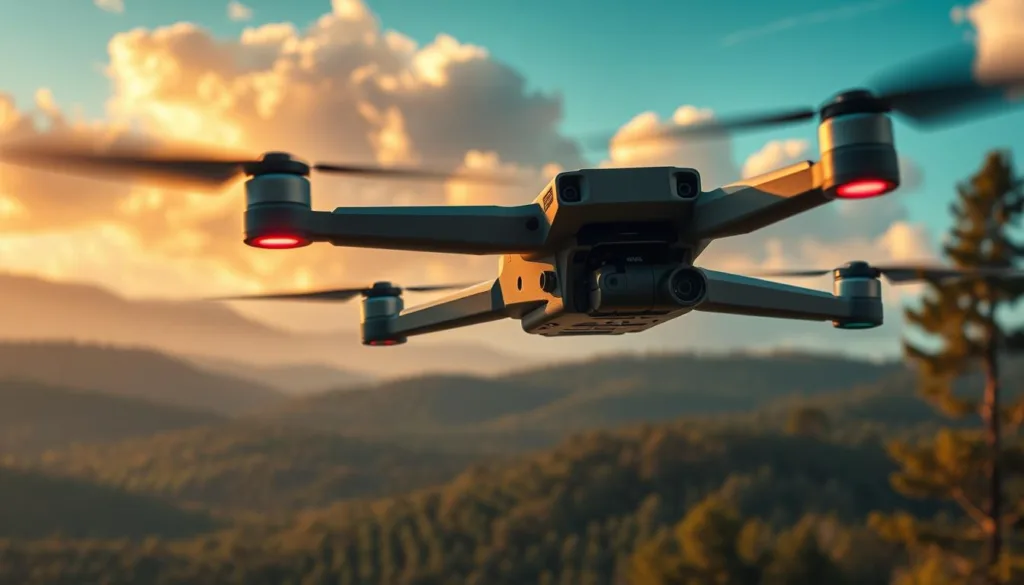
Enhanced FPV Drone Flight Dynamics
Advanced physics engines replicate complex aerodynamics with impressive accuracy. They account for factors like air resistance and propeller wash.
When you execute a maneuver, the virtual craft responds just like its real-world counterpart. This precise feedback is crucial for developing proper control inputs.
Platforms like FPV SkyDive focus heavily on this realism. Their optimized systems ensure your virtual practice translates directly to improved outdoor performance.
Exploring Freestyle and Racing Simulation Modes
Different flying styles require distinct practice environments. Freestyle modes let you master creative tricks like power loops in open areas.
Racing modes challenge your precision and speed through complex courses with tight gates. Both disciplines develop a comprehensive skill set.
The immersive first-person view places you directly in the cockpit. This perspective creates an incredibly authentic and engaging training experience for any pilot.
Exploring Flight School and Practice Modes
The most effective way to build confidence in aerial operations is through guided practice sessions. These structured environments transform learning into an engaging journey from basic skills to advanced techniques.
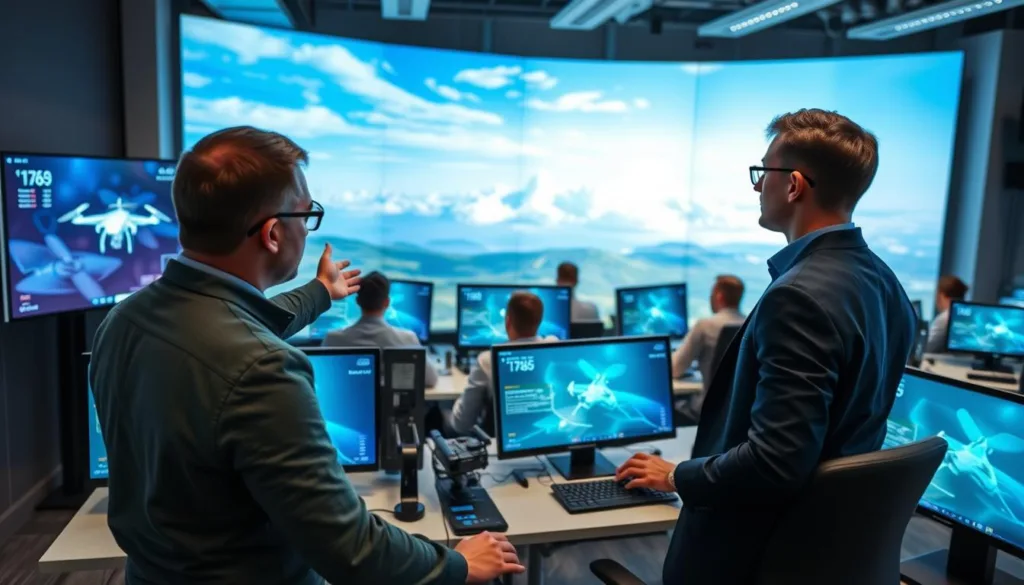
Training Techniques for Mastering Drone Controls
Structured curricula break down complex maneuvers into manageable steps. Each lesson focuses on specific skills like throttle control and orientation awareness.
Beginners appreciate the gradual progression that prevents frustration. Intermediate pilots benefit from targeted sessions addressing specific weaknesses.
Benefits of Dedicated Flight School Mode
These training environments save valuable time and money by allowing risk-free experimentation. You can make mistakes and learn without equipment damage concerns.
The interactive nature includes visual guides and performance feedback. Game-like elements maintain motivation through progressive challenges.
One satisfied user noted, “The structured approach cut my learning curve in half. I went from hesitant hovering to confident flying in weeks.”
This focused mode of practice creates a solid foundation. It accelerates real-world proficiency significantly.
Advanced Features and Controller Integration>
Customizing your control setup transforms basic practice into professional development. The right hardware configuration ensures your virtual training translates directly to improved real-world performance.
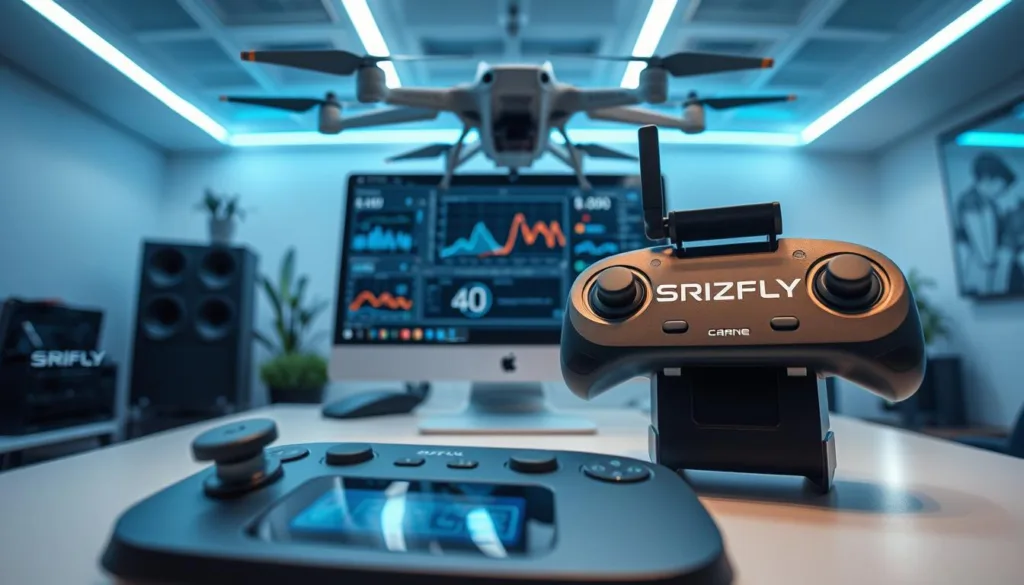
Seamless integration with various input devices makes the experience feel natural. Platforms like FPV SkyDive recognize popular controllers instantly, eliminating setup frustrations.
Customizable Settings and Controller Calibration
Fine-tuning your control preferences creates a personalized flying experience. Advanced calibration options let you adjust stick sensitivity and response curves to match your real equipment perfectly.
This attention to detail builds consistent muscle memory across both environments. Proper configuration means you focus on skill development rather than equipment limitations.
| Controller Type | Integration Level | Calibration Features | Best For |
|---|---|---|---|
| PlayStation/Xbox | Plug-and-play | Basic sensitivity adjustment | Casual practice |
| ORQA FPV.Ctrl | Native support | Advanced rate customization | Serious training |
| RC Transmitters | Manual configuration | Full parameter control | Professional pilots |
The flexibility to save multiple profiles accommodates different users or flying styles. Investing time in proper settings configuration pays off with faster skill acquisition and more enjoyable sessions.
Modern Windows Flight Technology and Performance
The technical foundation for virtual pilot development is more accessible than many realize. Today’s computing platforms deliver impressive performance without demanding top-tier hardware investments.
Optimized Hardware Requirements for Windows
Quality flight training software runs smoothly on modest systems. Minimum specifications include an Intel Core i5 processor with 8 GB RAM and a basic graphics card. This makes entry-level practice possible for most enthusiasts.
For enhanced visual quality, recommended specs suggest a more capable GPU. The storage requirement remains minimal at just 2 GB. This allows quick installation and leaves room for other applications.
Ongoing Software Updates and Performance Enhancements
Developers regularly release improvements that optimize the experience. These updates address performance issues and introduce new features. They ensure compatibility with the latest operating systems.
Adjustable graphics settings accommodate various hardware configurations. This flexibility means pilots can train on different devices. The same system can support multiple training programs over time.
Regular driver updates from hardware manufacturers further enhance stability. This ongoing support keeps your training sessions productive and enjoyable.
Unique Benefits of a Windows Drone Simulator for Pilots
Building your skills on a popular operating system opens up a world of training possibilities. This approach offers distinct advantages that make it the preferred choice for serious pilots committed to developing their flying abilities.
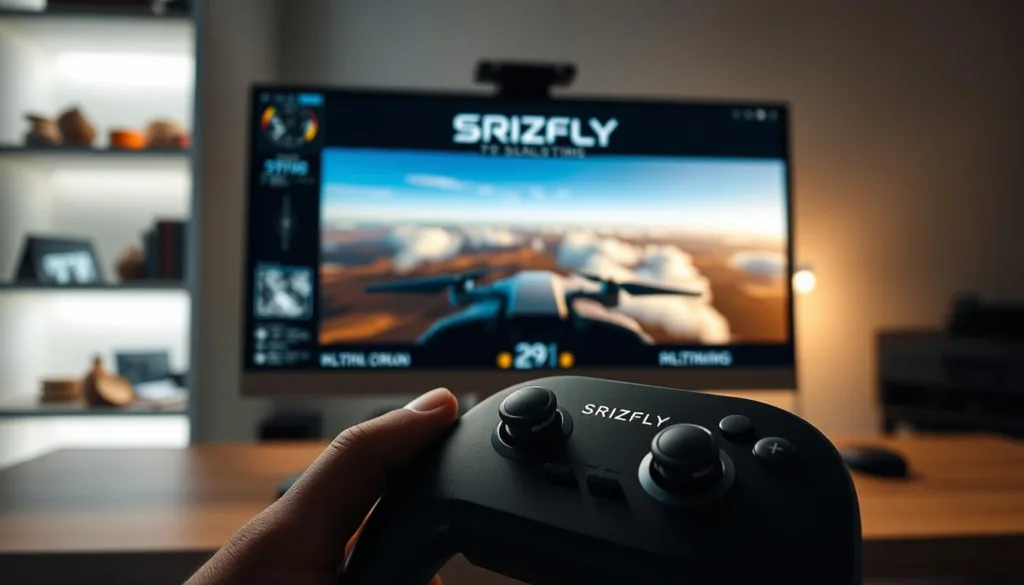
Advantages of a Windows-Based Simulation Experience
The ecosystem provides unparalleled software availability. Virtually all major training programs offer native versions optimized for the platform’s capabilities.
Hardware flexibility represents a significant benefit. Systems support an enormous range of graphics cards, processors, and peripherals. This allows pilots to customize their setup precisely to their needs and budget.
The widespread availability of computers means most enthusiasts already have compatible hardware. This eliminates the need for specialized equipment purchases just to begin training.
Integration with Various Controllers and Peripherals
These training tools integrate seamlessly with various input devices. They work with everything from basic game controllers to professional RC transmitters.
Advanced setups can include FPV goggles and even motion platforms. This creates the ultimate immersive experience for skill development.
| Controller Type | Setup Complexity | Training Level |
|---|---|---|
| Game Controllers | Plug-and-play | Beginner to Intermediate |
| RC Transmitters | Manual configuration | Advanced to Professional |
| FPV Goggle Systems | Medium complexity | All levels |
| Motion Platforms | Advanced setup | Professional training |
The large user community ensures abundant online resources. Pilots can access tutorials, troubleshooting guides, and configuration tips. Multi-monitor support allows advanced setups where pilots can display the FPV view on one screen while monitoring telemetry on additional displays.
Regular updates and long-term platform stability mean training investments remain viable for years. The ability to run multiple applications simultaneously enables pilots to stream practice sessions or record training footage. For pilots who fly different types of drones, a single system can accommodate multiple specialized programs.
Innovative Simulator Settings and Game Modes>
Beyond basic flight practice, sophisticated training systems offer specialized modes that target specific flying disciplines. These customizable environments let you focus on exactly what you want to master. The right configuration transforms generic training into personalized skill-building sessions.
Custom Modes for High-Speed Racing and Freestyle
FPV SkyDive provides distinct practice environments for different objectives. The racing mode challenges you with high-speed courses featuring precision gates and sharp turns. This format demands flawless execution and peak concentration.
Freestyle modes create open sandbox areas for creative expression. Here you can experiment with tricks and develop signature moves without competition pressure. Contest options add global excitement with leaderboards and timed events.
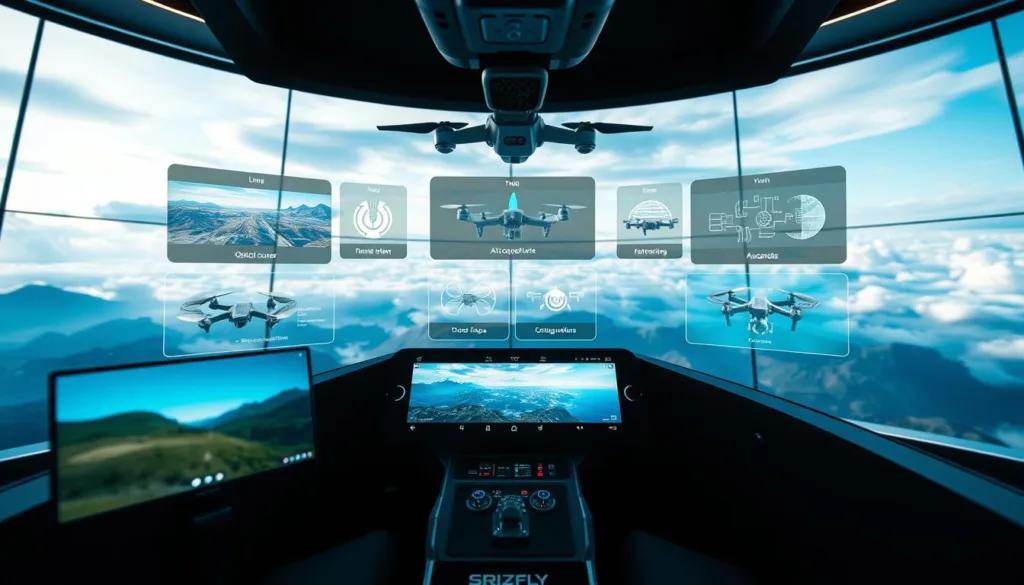
Optimizing Settings for Realistic Physics
Advanced configuration menus let you fine-tune the flight experience. You can adjust parameters for propwash intensity, air resistance, and thrust curves. These settings ensure the physics accurately replicate real-world behavior.
The ability to save multiple profiles accommodates different training goals. You might maintain aggressive racing configurations alongside smooth cinematic parameters. This flexibility creates the perfect environment for your current skill level.
Balancing realistic physics with appropriate difficulty prevents frustration while facilitating steady improvement. Proper settings configuration makes every practice session more effective and enjoyable.
Expert Insights and Training Tips for Drone Pilots>
The most successful FPV competitors attribute their rapid progress to deliberate simulation methodologies. Their collective wisdom offers valuable guidance for anyone looking to improve their aerial skills efficiently.
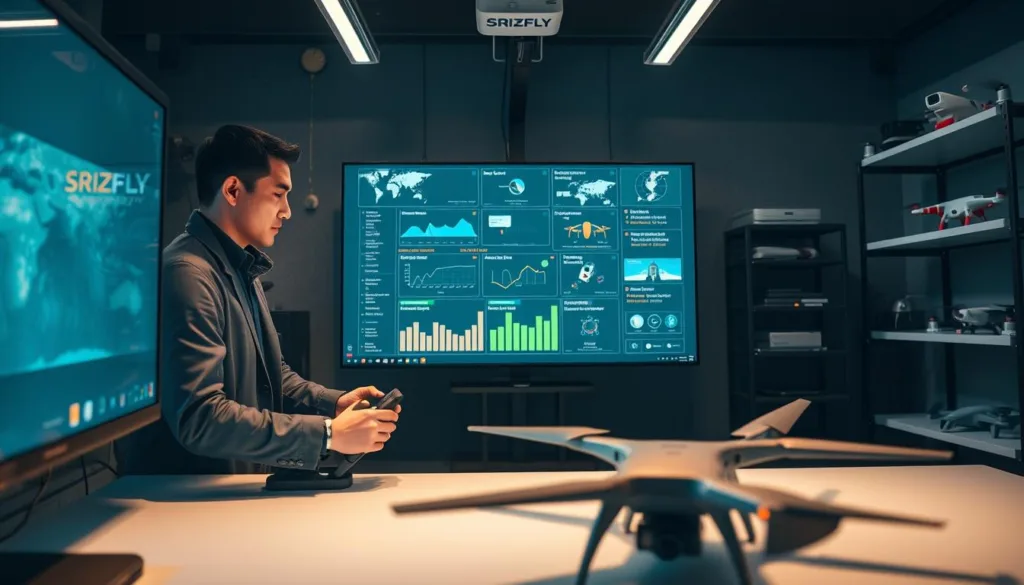
Pro Tips to Enhance Flight Simulation Skills
Top performers emphasize setting clear objectives for each session. Instead of random flying, focus on specific maneuvers like tight turns or altitude control. This targeted approach builds skills much faster than unfocused practice.
Recording your virtual flights provides incredible learning opportunities. Review footage to spot patterns and identify areas needing improvement. Many pilots find this review process accelerates their development significantly.
Gradually increasing difficulty prevents skill plateaus. Challenge yourself just beyond your comfort zone without causing frustration. This balanced progression ensures continuous growth.
Joining online FPV communities exposes you to diverse flying styles. Multiplayer sessions offer friendly competition and learning opportunities. The shared experience creates motivation and fresh perspectives.
Remember to take breaks during extended practice. Mental freshness maintains productive learning and prevents fatigue-induced bad habits. This thoughtful approach translates directly to better real-world performance.
Future Trends and Technological Advances in Drone Simulation>
The horizon for virtual pilot training is expanding with remarkable technological innovations. These advancements promise to make the gap between digital practice and real-world flying nearly invisible.
Leading platforms demonstrate strong commitment to continuous improvement. They regularly introduce fresh content and features based on user feedback.
Anticipated Updates from Leading Simulators
REAL DRONE SIMULATOR continues its pattern of regular map releases and enhancements. The development team focuses on creating increasingly realistic environments.
These updates often include improved physics engines and visual effects. They make each training session more valuable for skill development.
Emerging Technologies in FPV Drone Racing
Virtual reality integration represents the next frontier for immersive training. VR headsets can replicate the sensation of wearing actual FPV goggles perfectly.
Artificial intelligence is being explored for adaptive training programs. These systems adjust difficulty based on your performance in real time.
The growing popularity of fpv racing as a sport drives technological innovation. Professional organizations now use simulation for training and virtual competitions.
Cloud-based features allow pilots to access their progress from any device. This creates seamless connections with the global fpv community.
Conclusion
Mastering aerial skills has never been more accessible thanks to modern virtual training platforms. Whether you’re drawn to high-speed fpv racing or creative freestyle expression, these tools offer incredible value for pilots at every level.
Platforms like FPV SkyDive and REAL DRONE SIMULATOR provide realistic physics and diverse game modes through Steam and their official websites. The free-to-play and premium options ensure everyone can find the perfect fit for their training needs.
This drone simulator technology bridges the gap between virtual practice and real-world flying. The skills you develop translate directly to safer, more confident outdoor fpv drone operations.
Explore the exciting world of virtual flying today. Download a simulation game and start your journey toward becoming the skilled pilot you want to be.
FAQ
What is a Windows drone simulator?
It’s a software program that lets you practice flying a quadcopter on your computer. You can use your own radio controller to experience realistic flight physics without the risk of crashing a real, expensive machine.
Can I use my own FPV goggles and controller with the software?
Absolutely! Most modern simulators, like REAL DRONE SIMULATOR, support a wide range of popular radio controllers. You can often connect your FPV goggles for a fully immersive first-person view experience right on your PC.
What are the main benefits of using a flight simulator?
The biggest advantage is risk-free learning. You can master complex maneuvers, practice for racing events, or explore freestyle flying without the cost of repairs. It’s an excellent tool for building muscle memory and confidence.
Are there different game modes available?
A>Yes! You’ll typically find dedicated modes for racing through intricate courses and freestyle areas where you can practice tricks. Many programs also include a flight school with structured lessons to help pilots of all skill levels improve.
How realistic is the flight physics in these programs?
The physics are highly advanced, simulating real-world factors like gravity, momentum, and air resistance. This realistic feel is crucial for translating the skills you learn on the computer directly to flying an actual quadcopter outdoors.
Where can I find the latest updates and new maps?
Developers frequently release new content. The best place to check is the official website for the simulator, such as the REAL DRONE SIMULATOR site, or its community page on platforms like Steam for update notes and new map releases.
What kind of computer hardware do I need to run it smoothly?
Requirements vary, but a modern Windows PC with a dedicated graphics card is recommended for the best visual quality and performance. Always check the specific system requirements listed on the product’s Steam store page or official website before purchasing.