



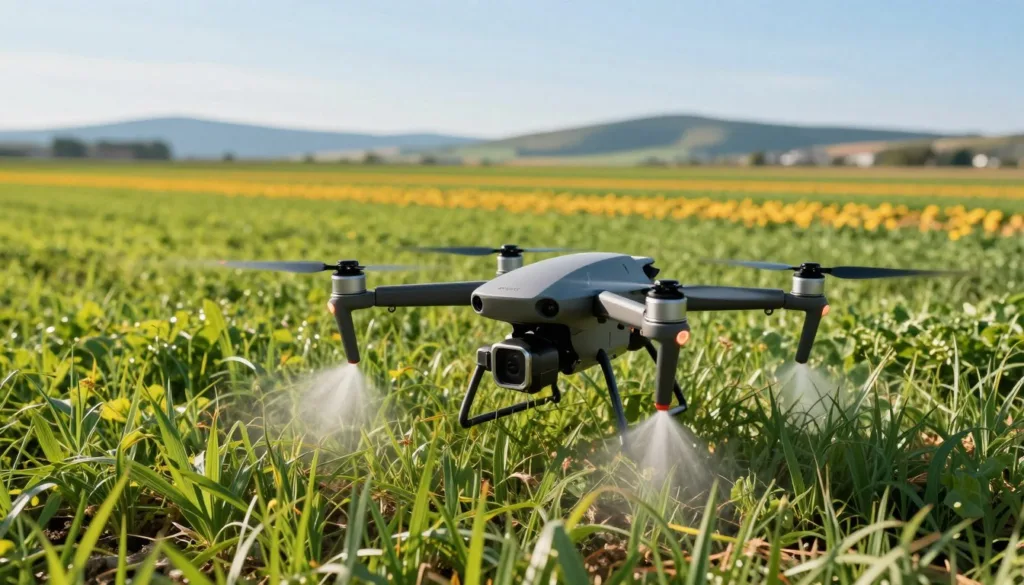
The integration of drone pesticide spraying simulation software is revolutionizing precision farming, enhancing efficiency, and promoting sustainable agricultural practices. With over 400,000 fields managed across 130 countries, this advanced technology empowers farmers to optimize their methods, reduce labor costs, and improve crop management. Utilizing automated UAV control, this simulation software enables real-time data analysis and the creation of precise maps, helping farmers make informed decisions and achieving sustainability goals. As the industry embraces these innovations, the potential for improved agricultural productivity grows, showcasing the vital role of drone technology in modern farming.
Key Takeaways
- Drone pesticide spraying software enhances operational efficiency in agriculture.
- Automated UAV control reduces the risk of human error during pesticide application.
- Integration with real-time data improves crop management and monitoring.
- The technology contributes to sustainable agriculture practices.
- Over 400,000 fields are successfully managed using drone technology globally.
Understanding Precision Farming and Its Need for Advanced Technologies
Precision farming has revolutionized how we approach agriculture, integrating technology to significantly boost productivity and efficiency. This innovative method emphasizes the need for advanced farming techniques by leveraging data analytics, real-time monitoring, and targeted resource management.
The role of technology in modern agriculture cannot be overstated. Tools like drones and simulation software empower farmers to monitor crop health, analyze soil conditions, and apply fertilizers and pesticides with pinpoint accuracy. As a result, farmers can achieve higher yields while minimizing waste, addressing critical farmer challenges effectively.
The Role of Technology in Modern Agriculture
Technology in agriculture plays a pivotal role in transforming traditional practices. By implementing advanced tools, farmers can gather comprehensive insights. These insights facilitate informed decision-making that leads to optimized resources and improved crop outcomes.
- Drones provide aerial imagery for detailed crop assessments.
- Real-time data enables quick responses to environmental changes.
- Simulation software aids in planning and executing pesticide applications.
Challenges Faced by Farmers Without Technological Integration
Without technological integration, farmers face numerous issues that can hinder their productivity. Inefficient resource utilization results in wasted time and money, while a lack of real-time monitoring can lead to crop health complications being overlooked.
| Challenges | Impact |
|---|---|
| Inefficient Resource Use | Increased costs and depleted soil health |
| Inability to Monitor Crop Health | Reduced yields and poor quality produce |
| Higher Labor Costs | Lower profitability and economic strain |
Benefits of Using Drone Pesticide Spraying Simulation Software
The integration of drone pesticide spraying simulation software offers a multitude of advantages for modern agriculture. This technology not only improves operational performance but also promotes sustainability and better crop management.
Enhanced Efficiency in Pesticide Application
Utilizing drone spraying technology significantly boosts the efficiency of pesticide application when compared to traditional methods. Automated UAV control allows for swift and accurate delivery of pesticides across agricultural fields. Predefined maps aid in applying treatments to precisely targeted areas, ultimately saving both time and labor costs.
Reduction of Chemical Waste and Environmental Impact
One of the standout benefits of drone spraying is its potential to reduce chemical waste and minimize environmental impact. By utilizing variable rate spraying techniques, farmers can apply only the necessary amount of chemicals for each section of the field. This method decreases chemical runoff and pollution, aligning agricultural practices with sustainable development goals.
Improved Crop Health Monitoring
Drone technology enhances crop health monitoring capabilities through advanced tools such as NDVI (Normalized Difference Vegetation Index). This technology allows for the early detection of crop stress and diseases, enabling farmers to make informed decisions. By responding rapidly to these insights, farmers can optimize their operations, leading to increased yields and profitability.
How Drone Pesticide Spraying Simulation Software Works
The operational mechanics of drone pesticide spraying simulation software utilize a combination of advanced technologies that enable highly efficient agricultural practices. With GIS integration, farmers can enhance their operational capabilities by leveraging geographic data to achieve improved precision in mapping and crop analysis.
Integration with GIS Data and Aerial Imagery
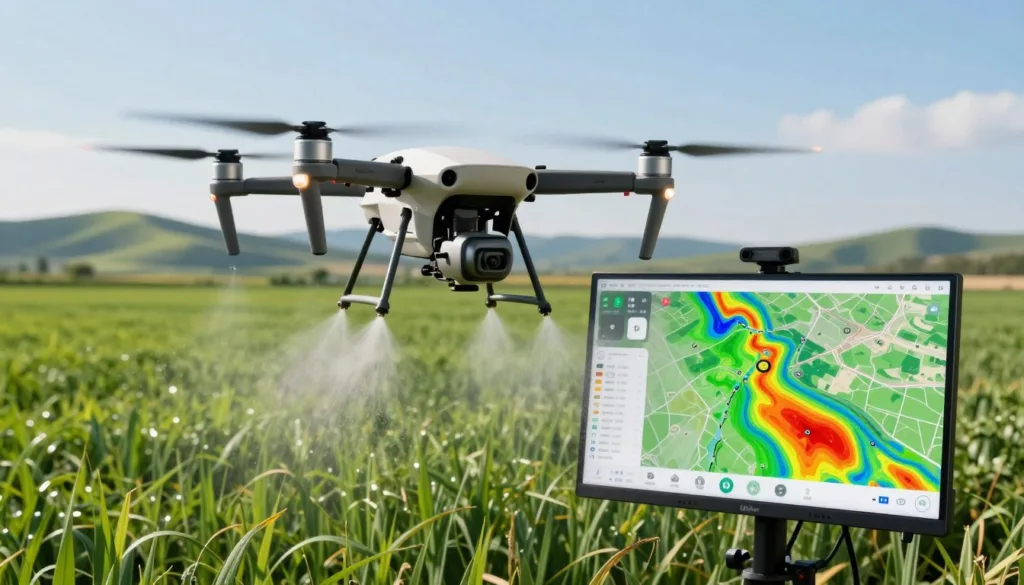
This software allows seamless integration with GIS data and aerial imagery, providing unprecedented mapping accuracy for farmland. By combining high-resolution aerial imagery with detailed GIS data, farmers can visualize their fields in a contextual manner. This integration ensures that decision-making is based on accurate, location-specific information, helping optimize resource distribution across varied agricultural terrains.
Creating Custom Prescription Maps for Spraying
With access to robust GIS tools, farmers can create custom prescription maps tailored to the unique needs of each crop field. These prescription maps detail where and how much pesticide should be applied, ensuring an optimized spraying process that aligns with the specific requirements of crops. By using detailed analytics derived from data points in GIS, farmers can enhance both efficiency and efficacy in their spraying practices.
Real-time Data Collection and Analysis
The ability to collect real-time data during drone flights significantly transforms agricultural operations. This feature enables agronomists to analyze crop health indicators instantaneously and adjust their spraying strategies as needed. For example, if certain areas show signs of distress, immediate adjustments to pesticide application can be implemented, thus maximizing crop health while minimizing chemical waste.
| Feature | Benefits |
|---|---|
| GIS Integration | Accurate mapping and effective resource allocation |
| Aerial Imagery | Detailed visualization for informed decision-making |
| Custom Prescription Maps | Targeted pesticide application for improved efficiency |
| Real-time Data | Immediate insights for adaptive management of crops |
Key Features of Leading Drone Pesticide Spraying Simulation Software
Leading drone pesticide spraying simulation software includes a range of impressive features that greatly enhance their effectiveness in precision agriculture. Understanding these aspects can help farmers achieve superior results in crop management and protection.
Automated UAV Control and Precision Spraying
The efficacy of UAV control plays a critical role in the accuracy of pesticide applications. Automated UAV control systems enable precise and repeatable flights over target areas. This technology minimizes human error and ensures that every part of the field receives adequate spraying. Features of drone software facilitate seamless operation, allowing for intricate flight patterns that adapt to the contours of the landscape.
NDVI-based Crop Health Monitoring
Crop health is paramount for maximizing yields. NDVI monitoring uses advanced sensors to analyze the health of crops, offering insights that help in making informed decisions. By identifying stressed areas in a field, farmers can prioritize interventions to optimize crop health. This feature not only increases productivity but also reduces wastage of resources.
3D Mapping and Advanced Analytics Capabilities
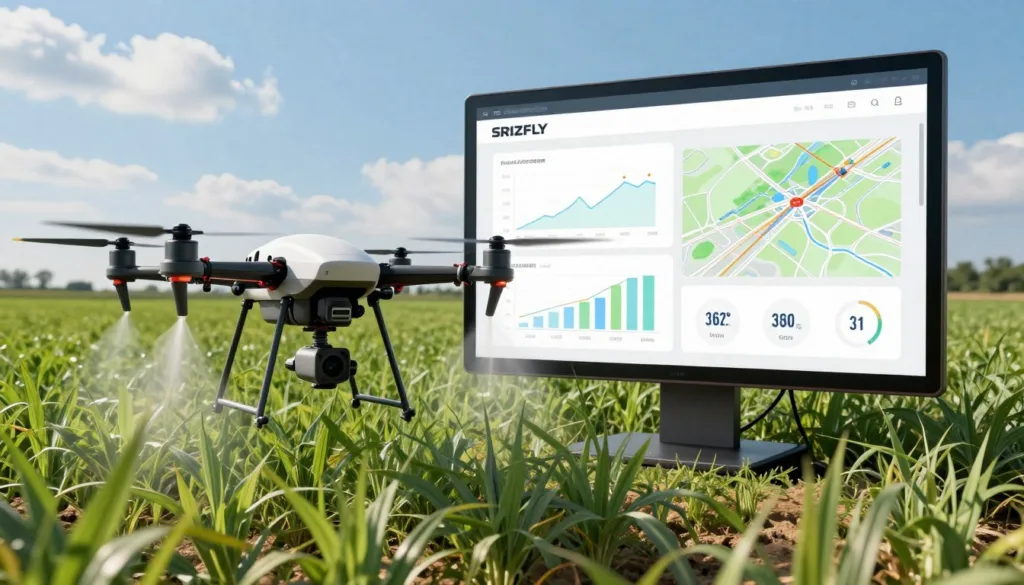
Understanding the topography of the land is essential for effective planting and spraying. 3D mapping provides a comprehensive view of terrain and crop distribution, which helps in planning targeted interventions. Advanced analytics capabilities further aid farmers in making data-driven decisions, ensuring efficient use of agricultural inputs and enhancing overall productivity.
Case Studies: Successful Implementation in the Field
Exploring real-world case studies illustrates the substantial benefits gained through the adoption of drone software in agriculture. Across various regions, farmers have experienced remarkable improvements in their operations, showcasing the success of drone technology.
Examples of Drone Software in Action
Analyzing specific instances reveals varied implementations of drone pesticide spraying software. A corn farmer in Iowa utilized drone mapping technology to monitor crop health closely. This approach allowed for precise pesticide application, resulting in a 30% increase in yield. Another case involved a vineyard in California, where drone software enabled more efficient management of pest control. The vineyard reported improved grape quality, leading to enhanced market prices.
Impact on Yields and Farmers’ Revenue
The yield impact from utilizing drone technology cannot be overstated. In one notable case, a tobacco farmer implemented a drone solution that improved crop monitoring. This led to the recovery of an additional $110,000 after compensating for damages, highlighting the potential for significant revenue growth. Such results emphasize how effectively integrating drone software can transform agricultural practices, further motivating farmers to adopt these innovative solutions.
Conclusion
In conclusion, the integration of drone pesticide spraying simulation software is vital for advancing precision farming. This innovative technology enhances efficiency while considerably reducing chemical waste, aligning with sustainable agriculture practices. Farmers leveraging such drone software can effectively monitor crop health, ensuring better resource allocation and informed decision-making.
By collaborating with industry leaders like SRIZFLY, agricultural enterprises can optimize their operations, contributing not just to their profitability but also to the overall health of our ecosystems. The precision farming benefits derived from drone simulation technology provide a clear path towards a more productive and sustainable future in agriculture.
As we move forward, the potential for further innovation and growth within the agricultural sector is immense. Staying informed about advancements in drone technology will be critical for farmers seeking to thrive in this rapidly evolving landscape, making it essential to embrace these cutting-edge solutions.
FAQ
What is drone pesticide spraying simulation software?
Drone pesticide spraying simulation software is a technological solution that enhances efficiency and accuracy in applying pesticides in agriculture. It allows for precise applications, real-time monitoring, and optimized crop management practices.
How does this software contribute to sustainable agriculture?
The software reduces chemical waste and ensures that only necessary amounts of pesticides are used, minimizing environmental impact. By facilitating better crop health monitoring, it supports sustainable farming practices that are crucial for long-term agricultural success.
What are the key features of drone pesticide spraying simulation software?
Key features include automated UAV control for precise applications, NDVI-based crop health monitoring for timely interventions, 3D mapping capabilities for understanding terrain, and advanced analytics for data-driven decision-making.
How can farmers benefit from using drone technology in their operations?
Farmers can benefit through enhanced efficiency, reduced labor costs, improved crop health monitoring, and higher yields, ultimately leading to increased profitability and better resource management.
What challenges do farmers face without technological integration?
Farmers may encounter inefficient resource use, an inability to monitor crop health in real-time, increased labor costs, and lower yields, all of which can significantly impact profitability.
Can you provide examples of successful implementation of this software?
Yes, several case studies have shown that drone pesticide spraying applications have led to significant increases in crop yields and a reduction in input costs. For instance, a tobacco farmer recovered an additional 0,000 by utilizing improved crop monitoring and efficient pesticide application.
How does real-time data collection enhance the application process?
Real-time data collection allows farmers to analyze crop health indicators during UAV flights and make immediate adjustments to their spraying strategies, resulting in more effective applications and reduced chemical waste.
What advantages does SRIZFLY’s simulation software offer over competitors?
SRIZFLY’s simulation software stands out due to its superior features, price flexibility, and a unique 10-day free trial that allows users to experience the technology risk-free before making a commitment.