



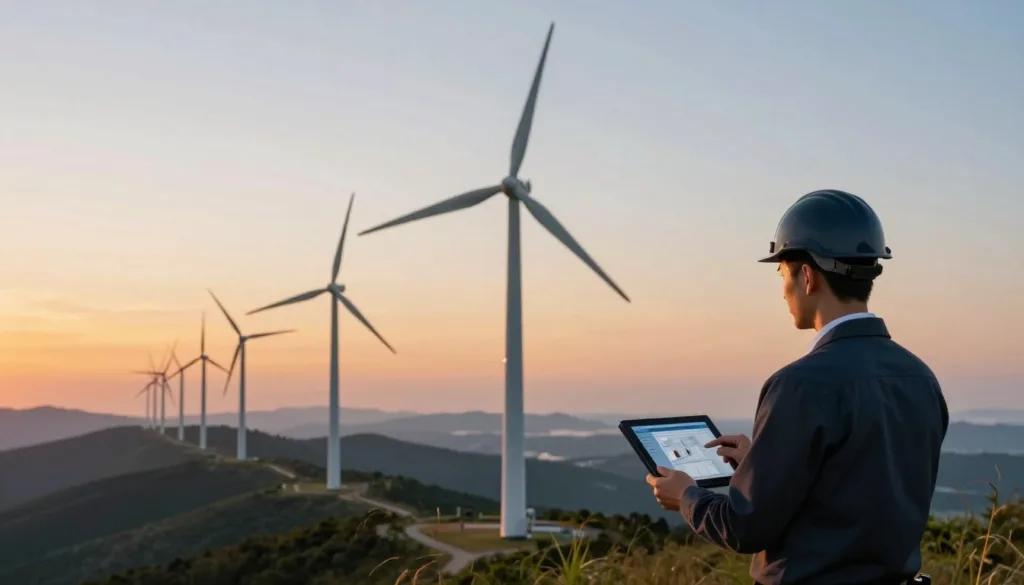
Maximizing energy output is vital for long-term success in the renewable sector. Wind farm optimization through sophisticated layouts can boost total yield by up to 10%. This strategic process ensures that every turbine works at its peak capacity.
Modern teams now rely on advanced tools like the SRIZFLY drone simulator to help. By using inspection simulations, groups can test K-means clustering and genetic algorithms to find the best routes. This approach lowers operational risks while keeping equipment in a top state.
Regular upkeep is the key to reliable power generation. These virtual checks help reduce downtime and significantly increase site safety. Using these high-tech tools is now a must for professional organizations.
Key Takeaways
- Increase energy yield by 10% using efficient site layouts.
- Utilize the SRIZFLY platform for risk-free pilot training.
- Optimize travel paths with K-means and genetic algorithms.
- Minimize operational downtime through proactive virtual checks.
- Improve worker safety by identifying hazards in a digital environment.
- Ensure long-term turbine health with consistent digital monitoring.
The Critical Role of Inspection Technology in Modern Wind Energy
As wind energy becomes a cornerstone of the power grid, the role of inspection technology has shifted from optional to essential. Operators must manage massive assets that face extreme weather and constant mechanical stress. Utilizing tools like the SRIZFLY drone simulator allows teams to practice these complex tasks in a safe, digital environment before heading into the field.
Modern turbines are taller and more complex than ever before. This growth requires a move away from manual checks toward automated, high-tech solutions. By integrating advanced simulation and monitoring, companies can predict failures before they happen.
Effective maintenance strategies now rely on a blend of physical hardware and sophisticated software. These tools provide a clear picture of turbine health, ensuring the lights stay on for millions of homes. Without these innovations, the cost of generating clean power would remain prohibitively high.
Importance of Regular Maintenance
Regular maintenance is the heartbeat of any successful renewable energy project. Wind turbines operate in harsh environments, from salty coastal air to freezing mountain peaks. These conditions cause structural fatigue and wear that can lead to catastrophic failures if left unchecked.
Scheduled check-ups help technicians identify small cracks or lightning damage on blades early. Addressing these issues quickly prevents expensive downtime and extends the life of the machine. Consistent care ensures the wind energy site remains profitable and productive for its entire expected lifespan.
Safety is another primary driver for frequent inspections. A failing component can pose a risk to the environment and the workers on-site. By prioritizing maintenance, companies protect their human capital and their physical investments simultaneously.
Benefits of Advanced Inspection Technologies
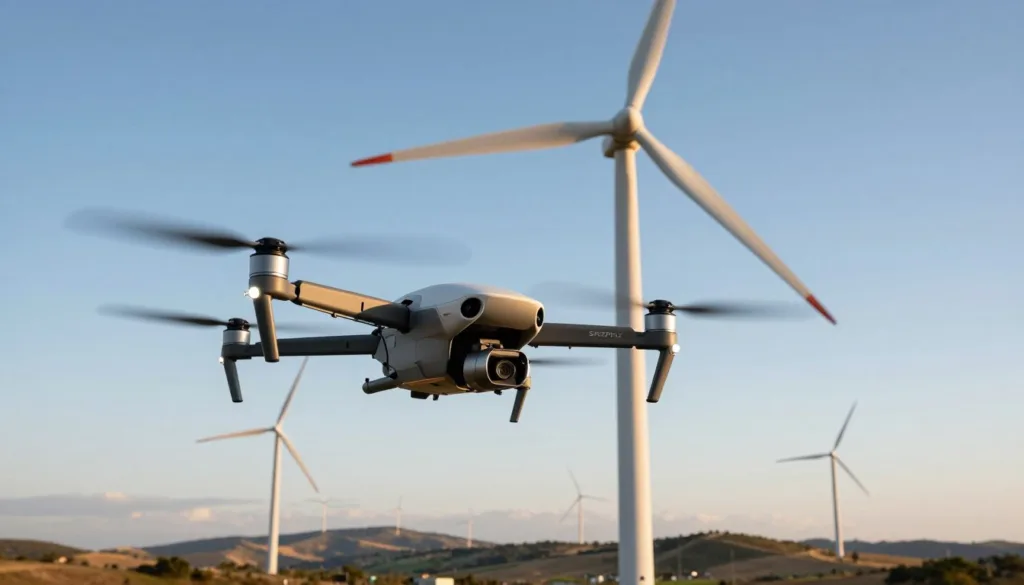
The adoption of new inspection technology has revolutionized how we view turbine health. Drones equipped with high-resolution cameras can scan a 300-foot blade in minutes. This method is much faster and safer than having a technician climb the tower on ropes.
Sensors and IoT devices provide real-time data on vibration and temperature. These tools allow for maintenance based on actual condition rather than just a calendar schedule. This “predictive” approach saves time and reduces the need for unnecessary site visits.
Using inspection technology also improves data accuracy across the entire wind energy farm. Software can track the progression of a defect over several years with millimeter precision. This level of detail helps engineers make better decisions about repairs and design optimizations.
| Feature | Traditional Methods | Advanced Technology |
|---|---|---|
| Safety Level | High risk (Climbing) | Low risk (Remote) |
| Data Accuracy | Subjective/Visual | Digital/Precise |
| Inspection Speed | Slow (Days) | Fast (Hours) |
| Cost Efficiency | High labor costs | Reduced long-term costs |
| Maintenance Type | Reactive | Predictive |
Understanding Wind Turbine Inspection Simulation Systems
To truly master energy output, operators must embrace the power of high-fidelity wind turbine inspection simulation systems. These digital tools allow teams to analyze sophisticated mechanical operations before they happen in the real world. By creating a virtual environment, companies can evaluate diverse environmental scenarios without risking expensive hardware.
Modern platforms, such as the SRIZFLY drone simulator, provide a specialized space for training and planning. This type of software helps pilots perfect their flight paths around massive structures. Using these digital twins ensures that every inspection is precise and effective.
Diverse Modeling Categories
Software developers use different methods to replicate the physical world. One of the most common methods is Computational Fluid Dynamics (CFD). This technology models how air flows across the turbine blades to maximize energy capture.
Another essential tool is Finite Element Analysis (FEA). While CFD focuses on the air, FEA looks at the internal stress on the materials. It helps engineers understand if a blade might crack under high pressure. Combining these simulation systems provides a complete picture of turbine health.
Small-scale turbine design also benefits from these virtual tests. Engineers can optimize smaller units for urban areas where wind patterns are unpredictable. This ensures that even compact designs reach peak performance levels.
| Simulation Category | Primary Function | Main Benefit |
|---|---|---|
| CFD | Analyzes airflow patterns | Improved energy capture |
| FEA | Tests structural stress | Longer component lifespan |
| Small-Scale | Design Optimization | High efficiency in cities |
Strategic Advantages of Virtual Testing
Using a digital approach offers several simulation systems benefits for the energy sector. First, it significantly reduces testing time. Instead of waiting for specific weather, engineers can simulate any wind speed instantly.
This speed leads to increased accuracy during the design phase. Virtual models can run thousands of iterations in a fraction of the time it takes to build a prototype. This process ensures that the final product is robust and reliable.
“Simulation is the bridge between a good idea and a functional, high-performing reality in the wind industry.”
Finally, these systems help lower overall maintenance costs. By predicting when a part might fail, operators can schedule repairs during low-wind periods. This proactive strategy keeps the power flowing and prevents unexpected downtime during a wind turbine inspection cycle.
Maximizing Efficiency Through Wind Power Generation Inspection Simulation
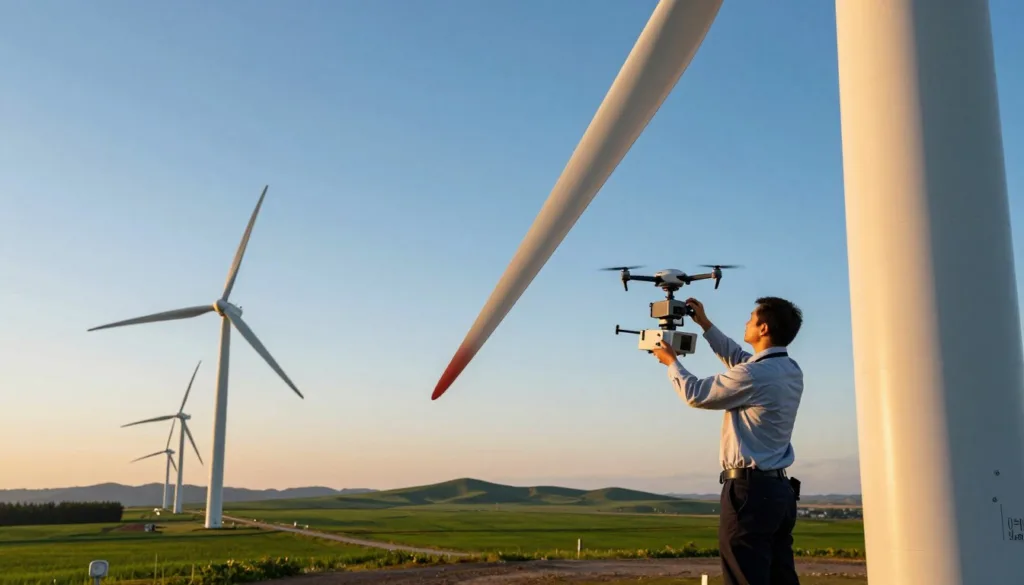
Achieving peak performance in modern wind farms is no longer a matter of guesswork thanks to advanced inspection simulation technology. Operators use these digital tools to visualize how turbines interact with the environment. The SRIZFLY drone simulator plays a vital role here by allowing pilots to practice high-stakes inspections in a risk-free virtual world. This training ensures that real-world data collection is both fast and precise, directly boosting overall efficiency.
Modern software applies complex math to solve logistical problems. For example, K-means clustering helps managers group turbines for faster check-ups. Genetic algorithms then find the most effective flight paths for drones. These methods reduce travel time and save battery life during wind power generation site visits.
Virtual testing helps identify mechanical issues before they cause expensive downtime. By simulating various wind speeds, teams can see how turbines react to extreme stress. This proactive approach keeps the energy flowing without any sudden interruptions.
Pitch Control and Yaw Control
Pitch and yaw systems are vital for catching the right amount of wind at all times. Inspection simulation helps engineers test how these mechanical parts move under intense pressure. If the pitch angle is off by even a few degrees, the turbine loses significant power.
Yaw control ensures the turbine faces the wind direction directly. Simulations show how the nacelle rotates during sudden shifts in weather patterns. Optimizing these movements directly boosts the total efficiency of the entire wind farm.
Blade Design and Optimization
The blades are the heart of any wind power generation system. Small-scale wind turbines often need specific design tweaks to work well in low-wind areas. Simulation tools allow designers to test different blade shapes and composite materials virtually.
Testing blade aerodynamics helps reduce drag and increase lift. This leads to better energy capture even in less-than-ideal weather conditions. Digital models also predict wear and tear, which allows for much better maintenance scheduling.
Improving blade geometry through digital twins can increase annual energy production by up to fifteen percent.
| Optimization Factor | Traditional Method | Simulation-Based Method |
|---|---|---|
| Route Planning | Manual/Static Maps | K-means & Genetic Algorithms |
| Energy Capture | Standard Settings | Optimized Pitch/Yaw Control |
| Maintenance Cost | Reactive Repairs | Predictive Efficiency Planning |
| System Reliability | Visual Checks Only | Advanced Inspection Simulation |
Advanced Technologies Powering Wind Farm Inspection Simulations
Advanced technologies are now the backbone of every successful wind farm inspection and simulation strategy. Artificial Intelligence (AI) and Machine Learning (ML) lead this digital revolution. These tools process massive amounts of data to find tiny cracks or erosion on turbine blades.
By using ML algorithms, a simulation can predict exactly when a component might fail. This proactive approach allows operators to schedule repairs before a breakdown occurs. It transforms maintenance from a reactive chore into a precise science.
The Internet of Things (IoT) also plays a massive role in modern energy management. Sensors placed on physical turbines feed real-time data into a digital twin. This real-time connectivity ensures that the virtual model reflects the actual health of the equipment.
Drones and high-tech sensors have changed the way we view wind farm inspection. Instead of climbing towers, technicians use remote-controlled aircraft to capture high-resolution imagery. This method significantly reduces the physical risks faced by workers on-site.
Training for these missions often begins in a controlled environment. The SRIZFLY drone simulator provides a safe space for pilots to practice complex maneuvers. It allows them to master wind farm inspection techniques without risking expensive hardware.
The integration of AI into renewable energy is not just an upgrade; it is a necessity for a sustainable future.
Even small-scale wind turbines benefit from these advanced technologies. Design optimization for smaller units requires precise airflow modeling. A high-fidelity simulation helps engineers test different blade shapes to maximize energy capture in low-wind areas.
The following table illustrates how these modern tools compare to older, manual methods:
| Feature | Manual Inspection | Tech-Driven Simulation |
|---|---|---|
| Safety Level | High Risk (Climbing) | Low Risk (Remote) |
| Data Accuracy | Subjective/Human Error | High Precision/AI-Driven |
| Operational Cost | Expensive Labor | Lower Long-Term Costs |
| Speed | Days per Turbine | Hours per Turbine |
Using advanced technologies also leads to better environmental outcomes. When turbines run at peak efficiency, they produce more clean energy. This reduces the reliance on fossil fuels and helps meet global climate goals faster.
Finally, the cost-effectiveness of a modern simulation cannot be ignored. While the initial setup requires investment, the savings from preventing catastrophic failures are enormous. Smart technology ensures that wind energy remains a competitive and reliable power source for years to come.
Implementing Inspection Simulation Strategies for Your Wind Farm
Bringing advanced simulation technology to your wind farm starts with a solid implementation plan. This process moves your maintenance from reactive repairs to proactive care. By using an inspection simulation, you can predict failures before they happen.
Modern managers focus on efficiency and safety to keep turbines spinning. Using digital tools allows your team to practice complex tasks in a risk-free environment. This shift leads to improved energy production and significantly reduced downtime for your entire site.
Technicians gain confidence when they can visualize internal components without climbing a single ladder. This approach protects your hardware and your human assets. A successful rollout requires clear goals and the right technical foundation.
Setting Up a Simulation System
First, you must gather high-quality data from your specific wind farm environment. This involves using computational fluid dynamics (CFD) to model how air moves around your turbines. Accurate data ensures the implementation phase reflects real-world conditions.
Next, integrate the inspection simulation into your existing maintenance schedule. Training your personnel is the most vital step in this process. Technicians must learn how to interpret simulation results to make better decisions on the ground.
“Virtual training environments allow our team to master turbine inspections without the risks of high-altitude work.”
Regularly update your system with new data from the field to keep the models fresh. This feedback loop ensures your simulations stay accurate as your equipment ages. High-fidelity models help identify wear and tear on blades and gearboxes early.
Selecting the Right Software and Tools
Choosing the right software is a critical decision for your long-term success. Look for tools that offer high-fidelity graphics and realistic physics engines. The SRIZFLY drone simulator is an excellent example of a tool that helps pilots master wind farm fly-overs safely.
The best software should handle complex inspection simulation tasks with ease. It must be user-friendly so your staff can adopt it quickly. Ensure the tools you select can scale as your energy production grows.
Consider how well the software integrates with your current data management systems. Seamless data flow prevents errors and saves time during the analysis phase. Investing in quality tools today prevents costly mistakes during future inspections.
| Implementation Phase | Key Activity | Primary Benefit |
|---|---|---|
| Data Collection | CFD Modeling | Accurate environment mapping |
| System Integration | Software Setup | Streamlined inspection simulation |
| Staff Training | Hands-on Practice | Increased safety and skill |
| Operational Use | Real-time Analysis | Optimized wind farm output |
Conclusion
Harnessing the full potential of wind power generation requires a shift toward digital precision. Traditional methods often miss small defects. These defects lead to costly downtime. Using an inspection simulation helps teams find issues before they become disasters. Tools like the SRIZFLY drone simulator allow operators to practice complex flight paths in a safe virtual environment. This training ensures real-world inspections are fast and accurate.
Data from computational fluid dynamics plays a huge role in wind power generation performance. These simulations show how air moves around turbine blades. Engineers use this info for optimization to get the most energy from every breeze. This applies to massive offshore farms and small-scale wind turbines. Better designs mean more electricity. They mean lower costs for everyone.
Wind farm owners should adopt advanced software to stay competitive. Implementing a robust inspection simulation strategy reduces risks for technicians. It extends the life of expensive equipment. Optimization of your workflow starts with the right tools. Use the SRIZFLY platform to master your maintenance routines. Smart technology is the key to a cleaner energy future.
## FAQ
### Q: How does the SRIZFLY drone simulator contribute to wind power optimization?
A: The SRIZFLY drone simulator provides a high-fidelity, risk-free environment for pilots to master wind turbine inspections. By practicing complex flight maneuvers and sensor placements in a virtual space, operators can improve their efficiency and accuracy. This preparation ensures that real-world inspections are performed faster and more thoroughly, leading to the early detection of defects and the optimization of wind farm layouts for maximum energy output.
### Q: What are the primary benefits of using advanced inspection technologies like drones and sensors?
A: Utilizing advanced tools such as DJI Enterprise drones and high-resolution thermal sensors significantly reduces the need for manual, high-risk climbs. These technologies provide precise data collection, allowing for predictive maintenance that minimizes unplanned downtime. Furthermore, the integration of automated flight paths ensures consistent monitoring, which enhances the overall safety and reliability of the wind energy infrastructure.
### Q: What is the difference between CFD and FEA in wind turbine simulations?
A: Computational Fluid Dynamics (CFD) is primarily used to simulate and analyze airflow patterns around the turbine blades to optimize aerodynamic performance. In contrast, Finite Element Analysis (FEA) focuses on the structural integrity of the turbine components, helping engineers understand how different stresses and loads affect the materials. Both are essential for improving design and reducing the time required for physical testing.
### Q: How do pitch and yaw control impact wind power generation efficiency?
A: Pitch control adjusts the angle of the blades to manage the rotor speed and protect the turbine from high winds, while yaw control ensures the turbine is always facing directly into the wind. Through inspection simulations, operators can fine-tune these systems to maximize energy capture and reduce mechanical wear, ensuring the turbine operates at its peak efficiency across varying weather conditions.
### Q: How do AI and Machine Learning improve wind farm inspection simulations?
A: Artificial Intelligence (AI) and Machine Learning (ML) algorithms analyze vast amounts of inspection data to identify patterns that human inspectors might miss. These technologies power predictive analytics, allowing wind farm operators to forecast potential failures before they occur. When integrated into simulation software, AI can model thousands of “what-if” scenarios to determine the most effective maintenance strategies and resource allocation.
### Q: Can inspection simulations really reduce maintenance costs?
A: Yes. By using simulation systems to plan and validate maintenance procedures, companies can avoid the “trial and error” approach in the field. This leads to a significant reduction in operational costs by streamlining logistics, reducing the frequency of emergency repairs, and extending the operational lifespan of the wind turbine components through proactive care.
### Q: What are the first steps to implementing an inspection simulation strategy?
A: The process begins with selecting the right software and tools, such as the SRIZFLY platform for pilot training and Ansys for structural simulations. Next, operators must focus on personnel training to ensure the team can interpret simulation data accurately. Finally, integrating IoT sensor data from the actual wind farm into the simulation model creates a Digital Twin, providing a powerful tool for ongoing performance optimization and real-time monitoring.
### Q: Why is blade design optimization critical for wind farm performance?
A: The blades are the primary components responsible for energy conversion. Using inspection simulations to test different blade geometries and materials allows manufacturers to create designs that are lighter, stronger, and more efficient. Optimized blade design reduces the Levelized Cost of Energy (LCOE) and ensures that the wind farm can generate the maximum possible power even in low-wind environments.