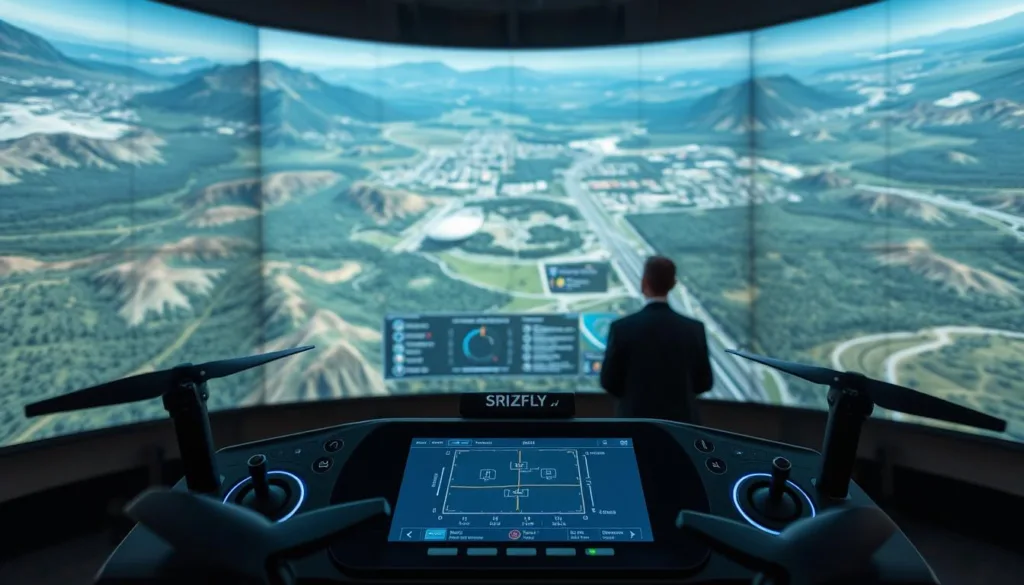
Welcome to our comprehensive guide on professional drone training solutions. This platform represents a cutting-edge approach to preparing pilots and operators for real-world missions.
Advanced simulation technology is transforming how professionals develop their skills. This innovative approach makes learning safer and more cost-effective than traditional methods.
The system bridges the gap between classroom knowledge and hands-on experience. Users can master complex flight maneuvers without risking expensive equipment or safety.
This training solution serves diverse audiences including commercial operators, educators, emergency response teams, and enthusiasts. It provides professional-grade tools that deliver measurable results.
Since 2016, this platform has earned industry recognition and holds multiple patents. Organizations worldwide trust it to prepare pilots for field challenges.
Key Takeaways
- Advanced simulation creates safe, realistic training environments
- Cost-effective alternative to traditional drone practice
- Suitable for professionals across multiple industries
- Bridges theoretical knowledge with practical application
- Trusted by organizations worldwide since 2016
- Helps master complex maneuvers without equipment risk
- Patented technology with industry recognition
Introduction to the Advanced Drone Simulation Experience
Today’s drone professionals are embracing revolutionary digital platforms that transform how they learn and practice. These virtual environments provide unprecedented opportunities for skill development without real-world risks.
Overview of Unmanned Aerial Vehicle Training
Traditional training methods have evolved into sophisticated digital systems. Modern platforms replicate real-world conditions with remarkable accuracy.
This creates a safe learning environment for developing essential piloting skills. Operators can practice complex maneuvers repeatedly until they become second nature.
Why Simulation is Critical Today
Virtual training addresses industry challenges like regulatory compliance and safety requirements. It offers cost-effective solutions without compromising quality.
Flight training in simulated environments builds confidence and reduces risks. When pilots transition to actual aircraft, they’re already well-prepared for field challenges.
Advanced simulation supports the entire lifecycle of drone operations. From design through deployment, professionals across multiple sectors rely on these tools for operational excellence.
Realistic Flight Training Environments
Imagine practicing drone operations in exact replicas of your future work locations before ever leaving the ground. This level of preparation transforms standard training into authentic experiences that build true operational confidence.
Modern platforms create digital worlds that feel remarkably real. You’ll develop skills in environments that match your actual mission requirements perfectly.
Immersive Digital Landscapes
Today’s systems feature global 3D terrain models with incredible detail. You can practice missions anywhere in the world using exact replicas of real locations.
Specific terrain features and landmarks appear just as they do in reality. The visual quality achieves stunning realism through detailed textures and lighting effects.
Virtual Reality integration takes immersion to another level entirely. Headsets like Meta Quest provide spatial awareness that flat screens cannot match. This accelerates skill development dramatically.
Dynamic Weather and Atmospheric Conditions
Authentic training includes adjustable weather patterns that affect aircraft performance. Wind, precipitation, and visibility changes create realistic challenges.
These environmental factors actually impact flight dynamics and control responses. You learn to adapt your techniques to changing conditions just like in real operations.
Practicing in diverse scenarios builds essential judgment skills. From calm days to stormy conditions, you develop the ability to make safe go/no-go decisions.
Advanced Simulation Technology and Software Integration
Professional-grade drone training platforms achieve their realism through deep integration with industry-standard control systems. This technical foundation ensures that virtual practice translates directly to improved field performance.
Engineers combine AirSim flight simulator software with Pixhawk control systems to replicate authentic unmanned aircraft dynamics. This framework mimics real-world factors like wind effects and ground interactions perfectly.
Integration with Industry-Standard Systems
The connection between simulation software and actual control hardware creates remarkable authenticity. Virtual aircraft respond exactly like their physical counterparts, replicating genuine flight dynamics.
Software-in-the-loop testing represents a powerful capability for developers. Users can run actual autopilot firmware within the virtual environment, supporting popular platforms like PX4 and ArduPilot.
This integration approach ensures compatibility with equipment you already use. The system models complex physical phenomena including aerodynamic forces and battery characteristics accurately.
These technical integrations aren’t just impressive features—they’re practical tools that build true operational confidence. When you transition to real aircraft, your virtual training pays immediate dividends.
Immersive Visuals and High-Fidelity Rendering
High-fidelity visuals create training sessions that feel remarkably close to actual field operations. The platform’s stunning graphical capabilities make every practice run feel authentic and engaging.
Powered by Unreal Engine 4
This training solution leverages Unreal Engine 4, the same technology behind major video games and professional visualization tools. This powerful engine delivers breathtaking visual quality that enhances the learning experience.
The rendering system produces highly detailed aircraft models with accurate proportions. Every texture and surface detail helps pilots develop visual recognition skills for different configurations.
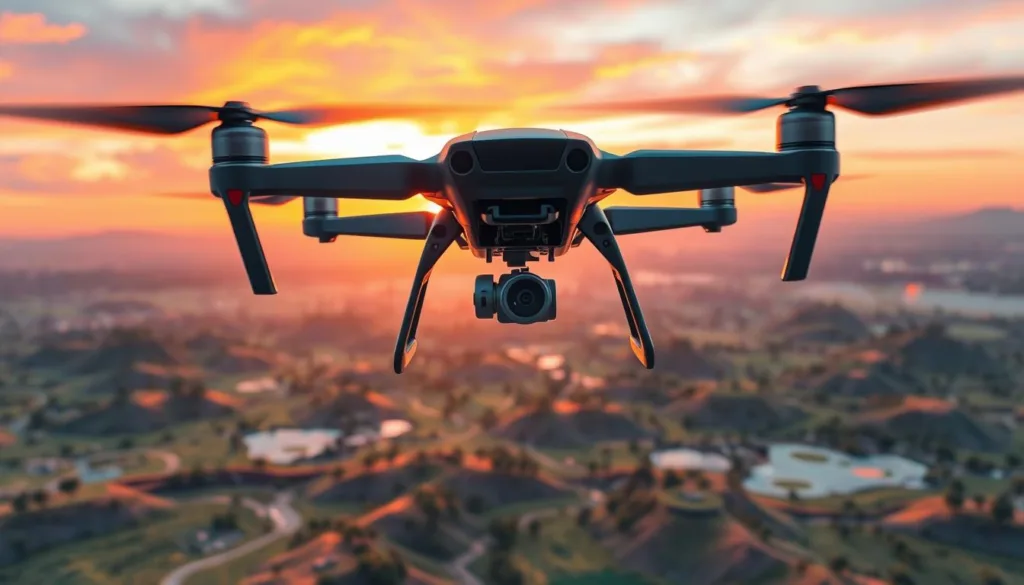
Creating Detailed Three-Dimensional Landscapes
Three-dimensional environments provide essential spatial references for developing depth perception. Dynamic lighting systems simulate various times of day and weather conditions.
Moving clouds, changing shadows, and environmental effects keep training sessions engaging. These visual features contribute to muscle memory development for confident piloting.
The realistic flight experience builds neural pathways necessary for smooth operations. Visual realism transforms standard practice into effective skill-building sessions.
Comprehensive Flight Training Modules
Effective drone training follows a logical progression where each skill builds upon the previous one in a comprehensive curriculum. This structured approach ensures you develop competencies systematically without feeling overwhelmed.
The platform offers three distinct training modules that create a natural learning pathway. Each module addresses specific development needs while preparing you for the next level.
Basic Training and Free Flight Scenarios
Begin your journey with the Basic Training module designed for newcomers. This foundation provides straightforward workflows and essential control exercises in a supportive environment.
Special features like Custom Map design let you create personalized training spaces matching your actual work areas. The unique UAV Disassembly component offers hands-on technical experience with enterprise models.
Free Flight scenarios give you the freedom to practice in diverse locations with various aircraft types. You can experiment with challenging maneuvers safely before attempting them with real equipment.
Industrial Applications and Mission Readiness
The Industrial Applications module transitions you to professional operational demands. This advanced training covers specialized workflows like electric tower inspection and search operations.
You’ll develop mission-specific skills across different sectors including infrastructure inspection and emergency response. The realistic workflows ensure you’re prepared for field challenges.
Each module builds progressively on previous skills, creating a logical learning path. This comprehensive approach addresses both piloting abilities and industry knowledge needed for confident mission execution.
Customizable Training Scenarios for Diverse Industries
Different industries face unique operational challenges that require specialized training approaches. The platform’s adaptable framework creates tailored experiences that match specific sector requirements perfectly.
Emergency response teams benefit greatly from risk-free practice environments. They can rehearse high-stakes missions like search operations and firefighting scenarios without real-world dangers.
Tailored Modules for Specific Operational Needs
Infrastructure inspection training covers specialized tasks like electric tower assessment and pipeline monitoring. These scenarios incorporate actual industry safety protocols and procedures.
Agricultural applications teach crop-specific operations across different growing conditions. Farmers master precision spraying techniques and field mapping in both manual and automatic flight modes.
The system’s customization capability ensures your virtual practice aligns with professional standards. This versatile approach serves diverse industries from public safety to commercial inspection.
Enhancing Operational Efficiency with Drone Simulators
Smart organizations are discovering that virtual training delivers impressive financial benefits alongside skill development. These platforms transform training from a cost center into a strategic advantage that improves your entire operation.
The financial advantages are immediately measurable. Companies report dramatic reductions in expenses across multiple areas when adopting simulator-based training programs.
Cost Savings and Risk Reduction Benefits
Virtual environments eliminate many traditional training costs completely. Organizations achieve 100% savings on fuel and equipment wear during practice sessions.
Maintenance expenses drop by 85% since physical aircraft aren’t subjected to beginner errors. Insurance costs decrease by approximately 40% due to reduced risk exposure.
Perhaps most importantly, training time accelerates by 60%. Pilots develop essential skills faster in controlled environments without weather delays or equipment availability issues.
This risk-free approach protects your capital investment while allowing learners to practice emergency procedures confidently. The systematic skill development leads to higher mission success rates when operators transition to field operations.
Well-prepared pilots make better decisions and maintain safer operations throughout their careers. This efficiency extends beyond training to improve your entire drone program’s performance.
In-Depth Look at SRIZFLY Unmanned Aerial Vehicle Simulation System
What truly separates exceptional training systems from ordinary ones lies in their unique capabilities. The SESP-U1 platform represents a complete ecosystem for unmanned aircraft operators. It combines foundational instruction with realistic scenario exercises in one seamless package.
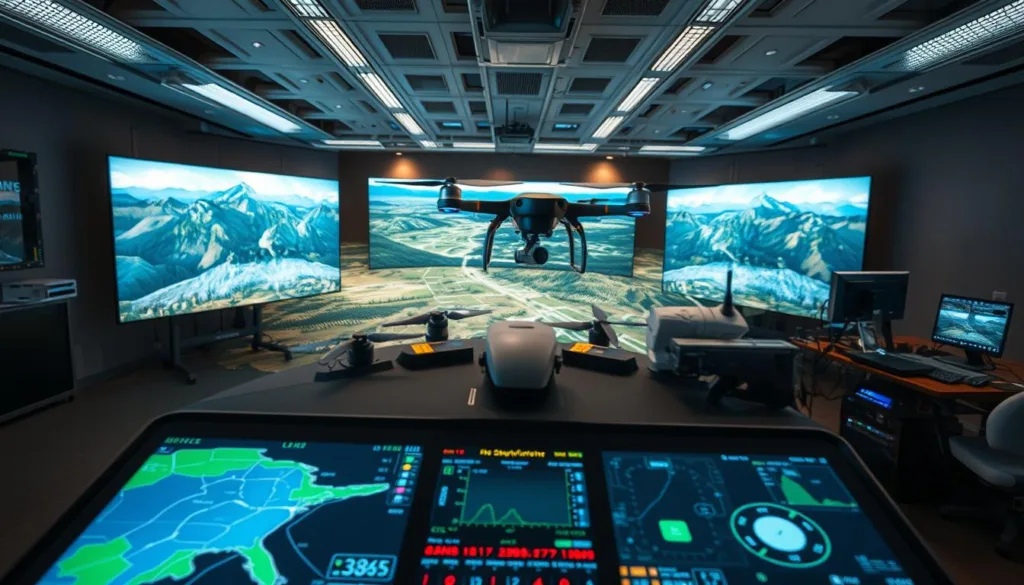
Key Features and Unique Capabilities
This training solution stands out through its comprehensive approach. The srizfly drone simulator eliminates the need for multiple separate tools. Users progress naturally from basic skills to advanced mission procedures.
The platform’s impressive capabilities address real-world training challenges effectively. Operators develop well-rounded competencies for professional uav operations. This ensures they’re prepared for diverse field situations.
Patented Innovations and Industry Recognition
Technical excellence is demonstrated through an extensive intellectual property portfolio. The company holds 24 national patents and 14 software copyrights. These protect proprietary technologies and methodologies.
Industry validation comes from being the only simulator listed in the Enterprise DJI Ecosystem Solutions Catalogue. This formal recognition highlights compatibility with widely-used professional drone systems. Training centers worldwide have trusted this platform since 2016.
Government agencies and commercial operators choose this system for serious pilot development. The track record proves reliability and continuous improvement. Organizations across sectors benefit from its advanced training features.
Seamless Software Download, Activation, and Support Process
Accessing cutting-edge training technology shouldn’t require technical expertise or complicated setup. The platform ensures a smooth onboarding experience that gets you practicing quickly.
New users can evaluate the system risk-free before committing. The straightforward process respects your time while delivering professional-grade tools.
Free Trial Access and Full Version Activation
Getting started with the trial version is incredibly simple. Just complete a brief download form and install the software directly. No activation codes are needed for immediate access.
When you’re ready for the complete experience, purchasing the full version unlocks all features. After your order, the download link appears instantly on your confirmation page.
You’ll also receive an email with your unique activation code. Enter this code after installation to unlock the full software for your subscription period.
The entire process is designed to be user-friendly. Technical support is available throughout if any questions arise. This ensures you can focus on developing your skills rather than troubleshooting installation issues.
Both new and experienced users appreciate the intuitive approach. The system removes barriers to effective training while providing comprehensive support resources.
Realistic Weather and Environmental Condition Simulation
Mastering flight operations requires preparation for the unpredictable atmospheric challenges that affect every real-world mission. The platform’s advanced weather system creates authentic training scenarios that build essential skills for confident operations.
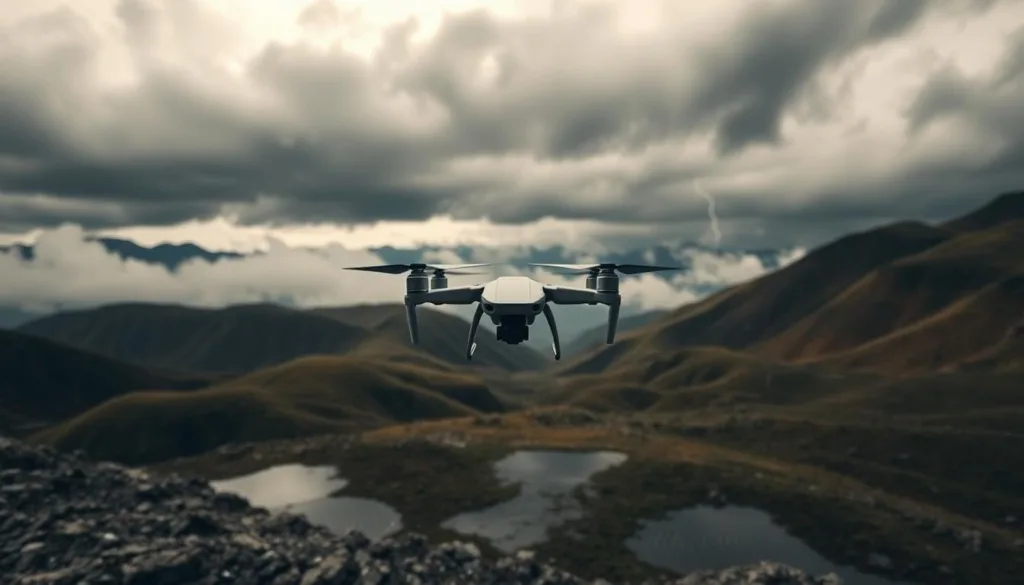
Training in diverse conditions ensures you’re never caught unprepared. Emergency response teams particularly benefit since their missions cannot wait for perfect weather.
Adjusting Dynamic Atmospheric Parameters
Instructors can customize multiple environmental factors to match real-world challenges. You can adjust wind speed, precipitation levels, visibility ranges, and temperature variations.
These settings don’t just change the visuals—they actually impact aircraft performance. The software replicates authentic wind patterns and ground interactions with remarkable accuracy.
Practicing in challenging weather builds judgment skills for safe decision-making. You learn when to modify missions or abort when conditions exceed safety limits.
This capability eliminates the dangerous practice of waiting for actual bad weather. You can build experience safely whenever needed, preparing for the full range of environmental challenges.
Integration of Simulation Platforms with Drone Hardware
Modern training platforms create powerful connections between virtual practice and physical drone operations. This integration transforms how developers and operators validate their work before field deployment.
The progression from digital testing to real-world application follows a carefully managed pathway. Each step builds confidence while minimizing risks associated with new configurations.
Software-in-the-Loop (SITL) and Hardware-in-the-Loop (HITL)
Software-in-the-loop testing represents a crucial advancement for development teams. This approach allows genuine autopilot firmware to operate within the virtual environment.
Popular flight controllers like PX4 and ArduPilot work seamlessly in this setup. Developers can validate flight control algorithms without powering physical equipment.
Hardware-in-the-loop testing takes integration even further. Actual flight controller boards connect directly to the simulator environment.
Production firmware runs on real hardware while receiving simulated sensor data. This creates the closest experience to actual flight without leaving the ground.
The consistent API libraries between simulated and real vehicles ensure predictable behavior. Code tested virtually performs identically when deployed to actual aircraft operations.
This systematic approach benefits both developers and advanced operators. Custom mission parameters and specialized configurations can be safely validated before field deployment.
Leveraging Cloud-Based Simulation for Accelerated Innovation
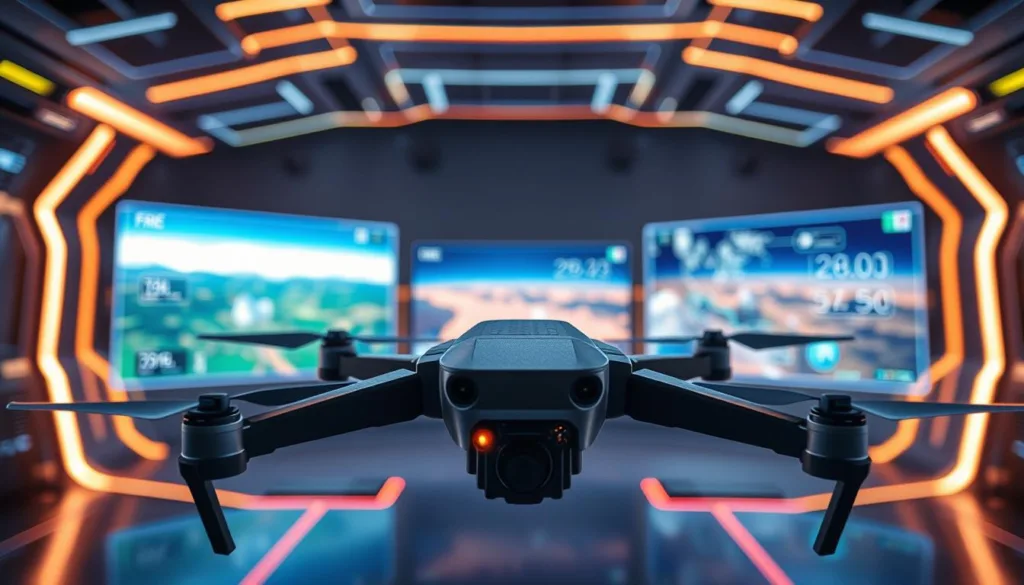
Advanced computing resources are now available to everyone through innovative cloud architectures. Subscription services eliminate expensive hardware investments, making professional tools accessible from anywhere.
Hybrid Systems and Real-Time Data Analytics
Modern platforms use intelligent hybrid designs. They balance cloud power with local responsiveness for optimal performance.
Distributed teams collaborate seamlessly on shared projects. The system captures detailed flight data for immediate analysis.
Real-time analytics provide instant insights into performance trends. Users can identify optimization opportunities quickly.
This approach democratizes innovation across the industry. Small teams access the same powerful capabilities as large corporations.
The recording functionality creates valuable datasets for improvement. Teams track skill development systematically across multiple sessions.
Customization and Scalability in Simulation Software Platforms
The adaptability of modern training platforms ensures they grow alongside your organization’s evolving needs. These systems offer remarkable flexibility that accommodates diverse training requirements.
Individual learners benefit from affordable licensing options for personal devices. Educational institutions can access bulk licenses for multiple computers. This approach serves different user groups effectively.
Flexible Licensing Models and Integration Options
The platform integrates seamlessly with existing Learning Management Systems. This preserves your technology investments while adding powerful capabilities. Performance data flows back into your established infrastructure.
An extensive component library provides building blocks for customization. Users can access validated databases of motors, batteries, and airframes. This enables accurate modeling of specific aircraft configurations.
Custom content development addresses specialized operational needs. Organizations work with providers to create tailored training exercises. The software supports unique regulatory requirements and industry workflows.
This scalability ensures the platform grows with your program. It starts with basic applications and expands to sophisticated deployments. The system serves as a long-term solution that adapts to changing requirements.
Training Scenarios for Emergency and Industrial Applications
The most critical drone operations occur in high-pressure environments where specialized training scenarios make the difference between success and failure. These mission-specific exercises prepare operators for real-world challenges that basic flight training cannot address.
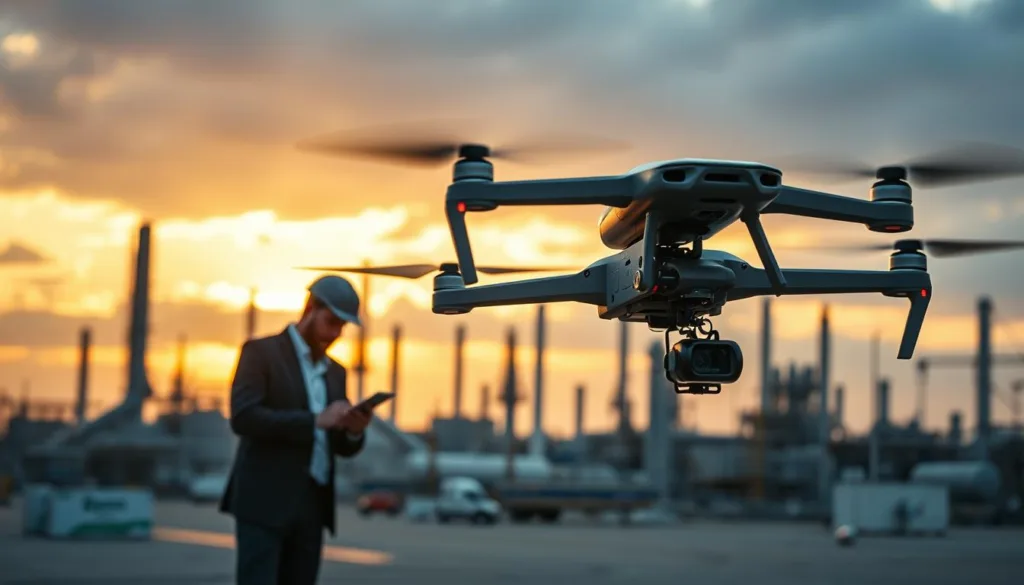
Search and rescue modules create intense simulation experiences. Operators practice locating missing persons and delivering emergency supplies with precision timing.
Specialized Modules for Rescue, Inspection, and Mapping
Firefighting training incorporates actual department curriculums. Users learn wildfire assessment and structure fire response techniques.
Infrastructure inspection scenarios teach specialized examination methods. Electric tower assessment and pipeline monitoring exercises build essential skills.
Aerial mapping components develop mission planning abilities. Operators master flight patterns and data capture techniques for accurate surveying projects.
These specialized training scenarios prepare teams for unexpected challenges. Quick thinking and solid preparation become second nature through realistic practice.
User Experience and Ongoing Support
From the moment you first launch the application, you’ll notice how the design prioritizes your learning experience above technical complexities. The platform’s intuitive interface ensures pilots can focus on developing their skills rather than navigating complicated software.
Intuitive Onboarding and Regular Software Updates
Getting started is remarkably straightforward. New users complete a brief download form and install the software directly. No activation codes are needed for the trial version, allowing immediate access to core features.
The dedicated support team provides comprehensive assistance throughout your journey. They help with technical questions and troubleshooting whenever needed. This ensures you’re never stuck without answers.
Regular maintenance keeps the software current and reliable. Updates introduce new features and enhance existing capabilities. This commitment to continuous improvement maintains compatibility with the latest systems.
The user-centered design philosophy handles technical complexities in the background. This allows you to concentrate on developing piloting skills rather than managing software. The trial version provides risk-free evaluation with immediate access.
By understanding this commitment to user experience and ongoing support, you’ll feel confident choosing this training environment. You’re joining a community where your success matters and help is always available.
Conclusion
As we conclude our exploration, it’s clear that digital training tools have become indispensable for building operational excellence. These platforms provide comprehensive preparation that transforms how professionals develop essential flight skills.
The advanced training environment combines safety with remarkable realism. This approach eliminates risks while building confidence through repeated practice. Organizations benefit from cost-effective skill development that delivers measurable results.
Quality drone simulator technology prepares operators for real-world challenges. Whether mastering basic maneuvers or complex missions, this uav simulation approach ensures mission readiness. Investing in proper training creates safer, more effective drone operations across all industries.
FAQ
What is the main purpose of the SRIZFLY drone simulator?
The primary goal is to provide a safe and realistic training environment for drone operators. It helps pilots build and refine their flight control skills without the risks and costs associated with real-world aircraft operations.
Can I try the software before purchasing a license?
Absolutely! We offer a free trial version so you can experience the high-fidelity rendering and flight dynamics firsthand. This lets you evaluate if the system meets your specific training needs.
What kind of drone models and scenarios are available?
The platform includes a wide variety of popular unmanned aerial vehicle models and numerous training scenarios. These range from basic flight skills to complex industrial applications like inspection, mapping, and emergency response missions.
How realistic are the weather and environmental conditions?
The simulation features highly dynamic atmospheric conditions. You can adjust parameters like wind, rain, and visibility to create challenging and realistic training environments that mimic real-life flight operations.
Does the simulator support integration with actual drone hardware?
Yes, it supports both Software-in-the-Loop (SITL) and Hardware-in-the-Loop (HITL) integration. This allows for testing and validating your actual drone’s performance and control systems within the simulated environment.
Is the software suitable for team training or just individual pilots?
It is designed for both! The system supports collaborative training exercises, making it an excellent tool for entire teams to practice coordinated missions and improve overall operational efficiency.
What are the system requirements for running the simulation software?
The software is optimized for performance but requires a modern computer with a dedicated graphics card. Detailed minimum and recommended specifications are available on our website to ensure a smooth experience.
How often is the software updated with new features?
We are committed to continuous improvement. The platform receives regular updates that include new drone models, enhanced features, additional training modules, and performance optimizations based on user feedback.